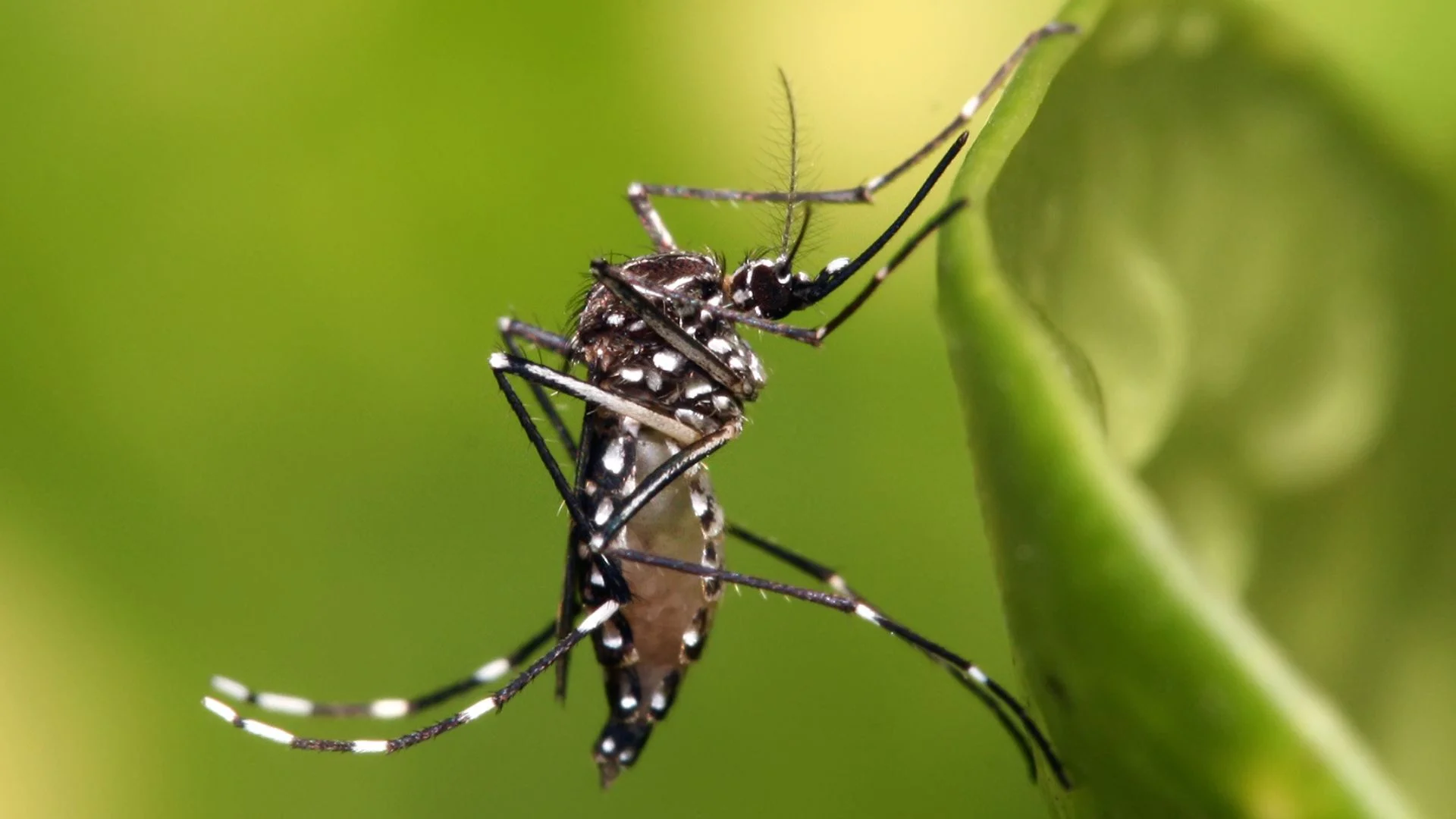
A computer vision and robotics expert has built an advanced mosquito elimination system that combines artificial intelligence with laser technology.
The creator, Steven Cheng, recently shared details of the project online and described it as an automated solution for detecting and removing mosquitoes inside a home. The system was developed over four months and integrates several technologies into a single platform.
The project started with a challenge familiar to many households. Mosquitoes are difficult to detect because of their small size and fast movement. Cheng wanted to create a system that could accurately identify insects and eliminate them without constant human involvement.
AI Laser Targets Mosquito
To begin the process, he needed a large collection of mosquito images. He used a DSLR camera with a high-magnification zoom lens to photograph mosquitoes from various angles and under different conditions. Building this image library required significant effort and resulted in numerous mosquito bites while collecting training data.
After gathering the images, Cheng labeled and organized the dataset. The image collection was then used to train a deep learning model capable of recognizing mosquitoes. Deep learning is a type of artificial intelligence that learns patterns from large amounts of data and improves its accuracy through training.
READ ALSO: FutureCoal and ASEAN Centre Renew Partnership to Transform Coal Industry Across Southeast Asia
Training the model demanded substantial computing power. According to Cheng, the process pushed his graphics hardware to its limits. However, the final detection system delivered strong performance and reliably identified mosquitoes.
Once the software was ready, attention shifted to the hardware. Cheng selected a laser powerful enough to instantly eliminate mosquitoes upon detection. The laser was mounted on a high-precision industrial rotary stage, also known as a gimbal, allowing it to move quickly and accurately toward targets.
The system does not rely solely on the laser. Cameras continuously scan the environment and send visual information to the AI model. When a mosquito is detected, the software calculates its position and directs the laser toward the insect.
Safety was a major consideration during development. Cheng added a second camera with a wide-angle view to monitor the surrounding area. This camera helps identify people and potentially flammable objects that could be exposed to the laser.
The software includes protective rules designed to prevent accidents. If the system detects a person or a flammable object in the same path as the mosquito target, the laser remains inactive. This feature reduces the risk of unintended laser exposure inside the home.
Before deploying the device, Cheng conducted simulations and testing. These tests helped refine the tracking and safety systems. The final setup combined mosquito detection, object recognition, and laser targeting into a single automated platform.
READ ALSO: Chinese Scientists Decode How Snow Controls Permafrost on the ‘Roof of the World’
According to Cheng, the system successfully eliminated all mosquitoes inside his residence during an overnight operation. The project demonstrates how artificial intelligence can be applied beyond traditional computing tasks. It also shows how consumer-grade cameras, computing hardware, and robotics components can be combined into practical home automation tools.
The idea of laser-based mosquito control is not entirely new. Several companies and developers have explored similar concepts in recent years. Interest in automated pest control has grown as computer vision technology becomes more affordable and accessible.
One of the most well-known commercial examples is Photonmatrix, a crowdfunded project launched through Indiegogo. The device uses LiDAR sensors and a laser system to locate and destroy mosquitoes. Developers claimed the machine could eliminate up to 30 mosquitoes per second.
Photonmatrix relies on LiDAR technology, which measures distance using laser light. Cheng’s system takes a different approach by using deep learning and image recognition to identify targets. This AI-based detection method provides another way to distinguish mosquitoes from other objects in the environment.
WATCH ALSO: An unmanned boat has completed a long 1,100-nautical-mile voyage
The commercial device is scheduled to begin reaching backers in June 2026. Once consumers start using the product, real-world reviews will provide a clearer picture of its performance. These results could help determine whether laser-based mosquito control becomes a practical household technology.
The growing use of AI in pest management reflects a broader trend across industries. Computer vision systems are increasingly being used for monitoring, detection, and automation tasks. As technology continues to improve, smart systems like these may become more common in homes, agriculture, and public health applications worldwide.