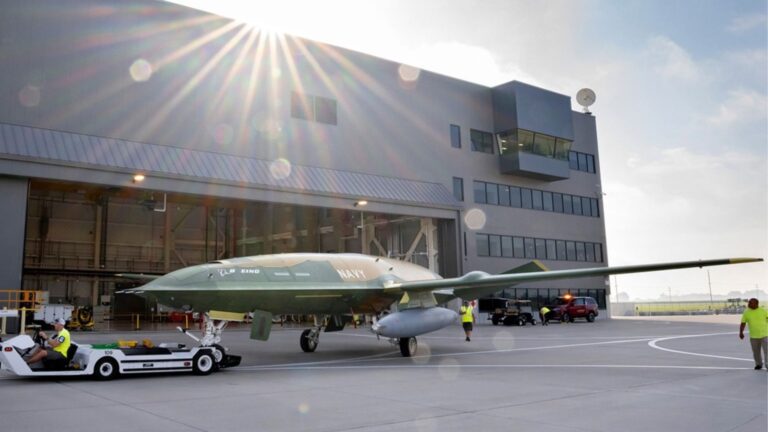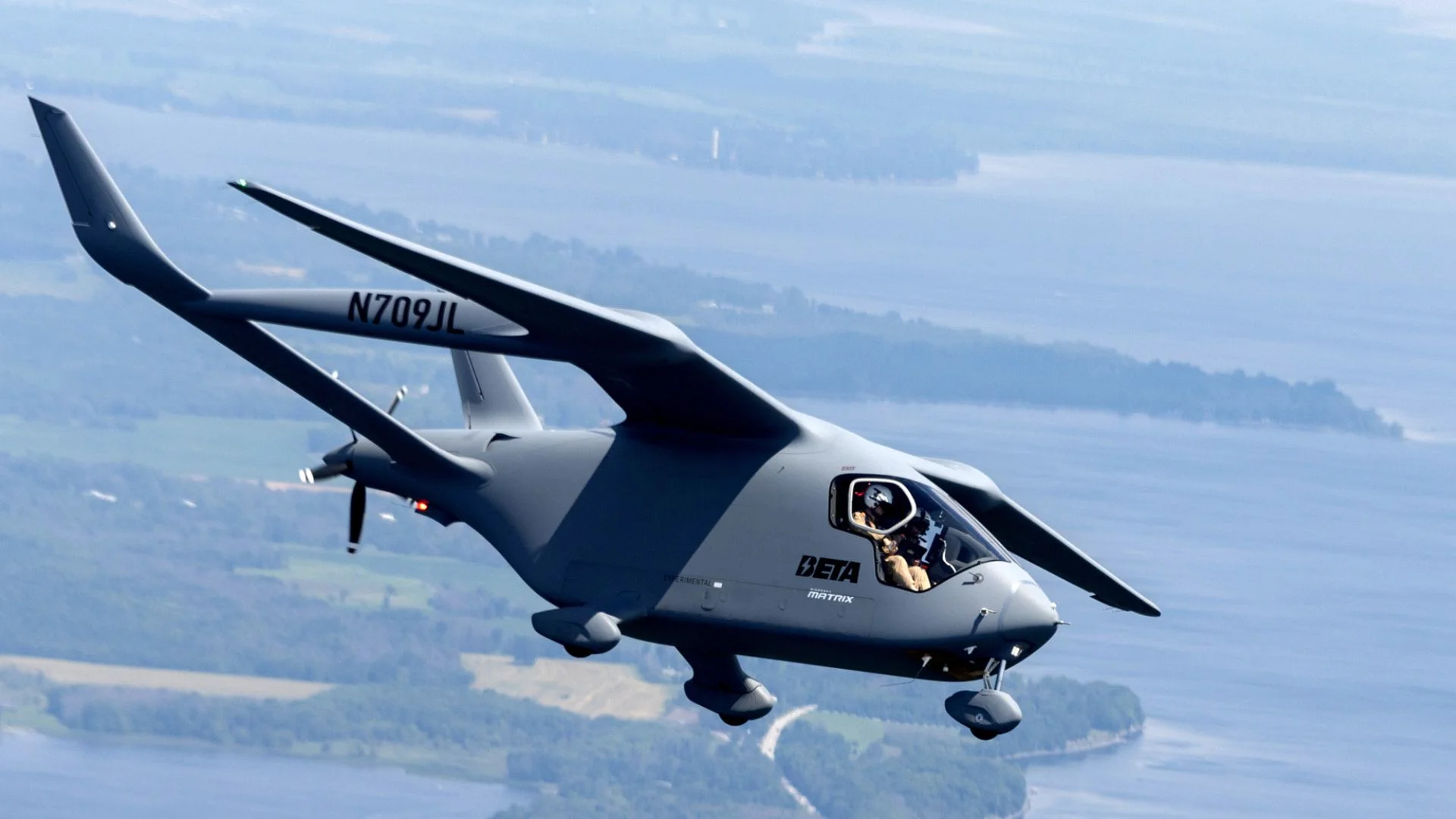
Sikorsky has announced plans to integrate its MATRIX autonomy system into BETA Technologies’ ALIA MV250 hybrid vertical take-off and landing (hVTOL) aircraft.
The move expands the number of aircraft capable of operating with the MATRIX autonomous flight system. It also strengthens efforts to support military logistics, casualty evacuation, and rapid resupply missions in demanding environments.
The agreement between Sikorsky, a Lockheed Martin company, and BETA Technologies was finalized earlier this month. Within two weeks, engineers successfully integrated the MATRIX autonomy software into BETA’s CX300 conventional aircraft for flight testing. That work now serves as the foundation for integrating the same technology into the MV250 platform.
Rapid System Integration
The ALIA family of aircraft uses a shared flight control architecture, making it easier to adapt new technologies across different models. MATRIX is built using an open architecture, allowing it to connect with existing flight control systems without major redesigns. This flexible design helped speed up the integration process between the two companies.
Engineers will continue flight testing to expand the aircraft’s operating envelope and verify system performance. These tests are expected to demonstrate how the MATRIX autonomy suite works alongside BETA’s in-house flight control system. The results will help validate reliability before wider operational use.
MATRIX enables aircraft to fly autonomously in both rotary-wing and fixed-wing configurations. The system can manage complex flight operations while reducing the need for constant pilot input. It is designed for both military and civilian missions where safety and consistency are important.
READ ALSO: MIT’s SceneSmith Uses AI Agents to Build 3D Robot Training Worlds Faster Than Ever Before
Expanding Military Missions
According to Sikorsky Vice President and General Manager Rich Benton, integrating MATRIX into the MV250 supports the company’s long-term focus on autonomous logistics missions.
He said operators can control multiple MATRIX-equipped aircraft through a common interface, allowing them to manage different platforms with only a few commands. Benton added that the company aims to bring safe, reliable, and certifiable autonomy to a wide range of aircraft as quickly as possible.
BETA Technologies Founder and Chief Executive Officer Kyle Clark said the MV250 was designed from the beginning with autonomous operations in mind.
He explained that combining Sikorsky’s autonomy software with the MV250 creates a platform capable of performing high-risk missions without exposing crews to danger. He also described the aircraft as a practical and affordable option for defense customers seeking uncrewed logistics solutions.
The MV250 is designed to fill a middleweight logistics role between smaller drones and larger transport aircraft. It can support missions such as rapid cargo delivery, contested logistics, and casualty evacuation, commonly known as CASEVAC. The aircraft also uses a hybrid powertrain, combining fuel and electric propulsion to improve operational flexibility.
MATRIX Powers Autonomous Logistics
The MV250 joins a growing list of aircraft that already operate with the MATRIX autonomy suite. These include the Sikorsky S-70UAS U-Hawk, the Sikorsky Nomad VTOL unmanned aircraft system, and the optionally piloted Black Hawk. Together, these platforms demonstrate how the same autonomy software can work across different aircraft types.
The system follows a Modular Open Systems Approach, often called MOSA, which allows components and software to be added or upgraded more easily. This design reduces integration time and supports future mission changes without requiring a complete redesign. It also gives military users greater flexibility as operational needs evolve.
READ ALSO: Chinese Brain Chip Runs Up to 478x Faster Than Nvidia A100 in Key Neural Tasks
Since 2021, Sikorsky has steadily expanded its work on autonomous logistics. In 2025, the company demonstrated that a MATRIX-equipped Black Hawk helicopter could complete cargo delivery missions, including carrying supplies internally, transporting sling loads, conducting parachute airdrops, and recovering personnel. These demonstrations highlighted how autonomous aircraft can perform tasks traditionally handled by crewed helicopters.
Future Defense Operations
MATRIX has now accumulated more than 1,000 flight hours and completed over 500 successful tests and demonstrations. More than 100 operators across military and firefighting organizations have received training on the system. Sikorsky has also integrated the technology into more than 20 different aircraft platforms, demonstrating its adaptability across a wide range of missions.
The autonomy suite also forms the core of the Defense Advanced Research Projects Agency’s Aircrew Labor In-Cockpit Automation System, known as the ALIAS program. The project focuses on reducing pilot workload while improving aircraft safety and operational efficiency through advanced automation. Its development has helped establish many of the technologies now used in MATRIX.
The partnership between Sikorsky and BETA reflects the growing demand for autonomous aircraft that can deliver supplies, support emergency operations, and operate in contested areas without risking human crews. However, the MV250 is expected to become another platform that expands autonomous logistics options for defense customers while supporting future military operations.