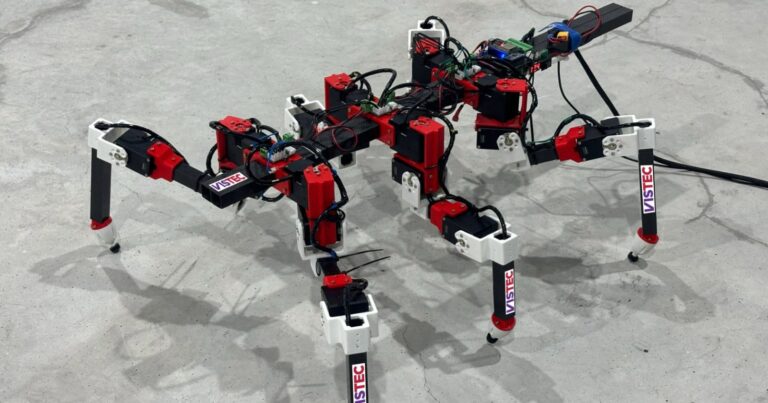
AI Teaches a Hexapedal Robot to Walk Like a Stick Insect Across Difficult Terrain
Researchers in Japan and Thailand have trained a six-legged robot to walk by studying how a stick insect coordinates its

Researchers in Japan and Thailand have trained a six-legged robot to walk by studying how a stick insect coordinates its
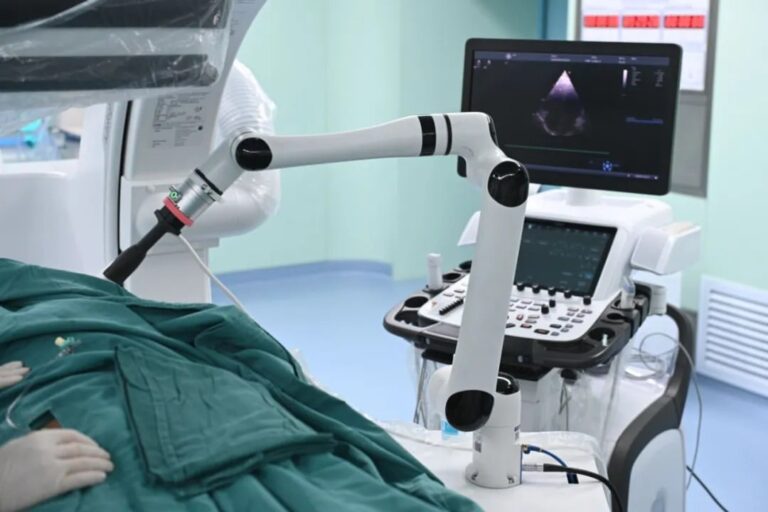
A Chinese medical team has performed a congenital heart procedure using an AI-powered ultrasound robot to guide the surgery. The
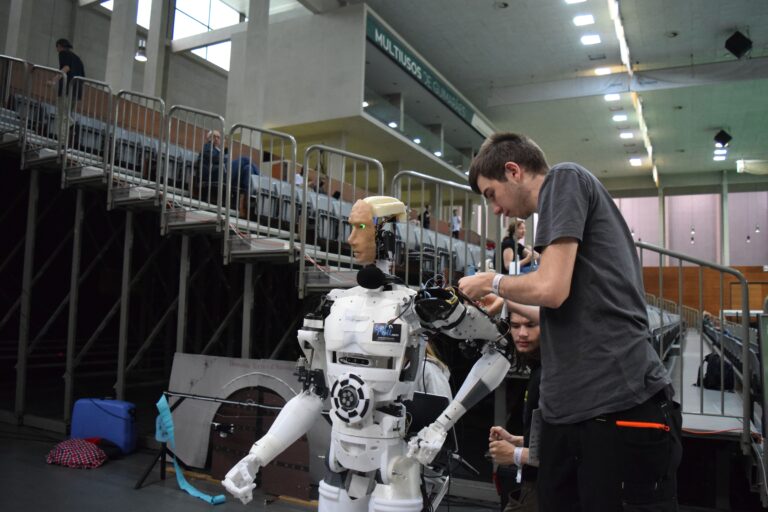
Figure and Nscale have announced a partnership to deploy up to 100,000 NVIDIA Vera Rubin GPUs for humanoid robot AI training. The initial commitment is valued at $3.5 billion, with plans to scale beyond $6 billion. The computing infrastructure will support training of Figure’s Helix models and help the company develop more capable general-purpose humanoid robots.
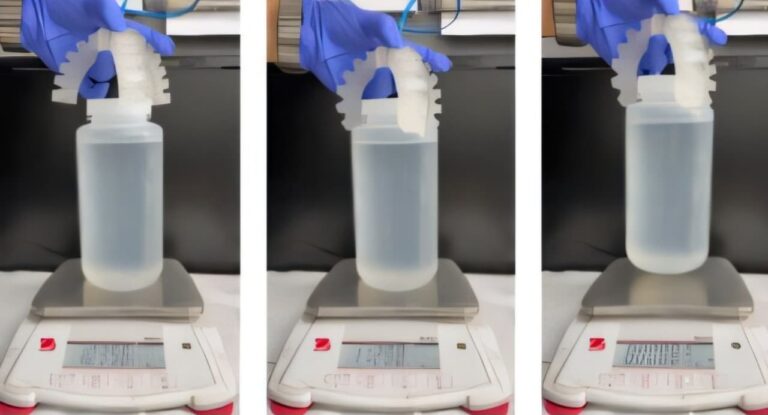
Korean researchers have used artificial intelligence to develop a highly stretchable material for 3D printing that has been tested in
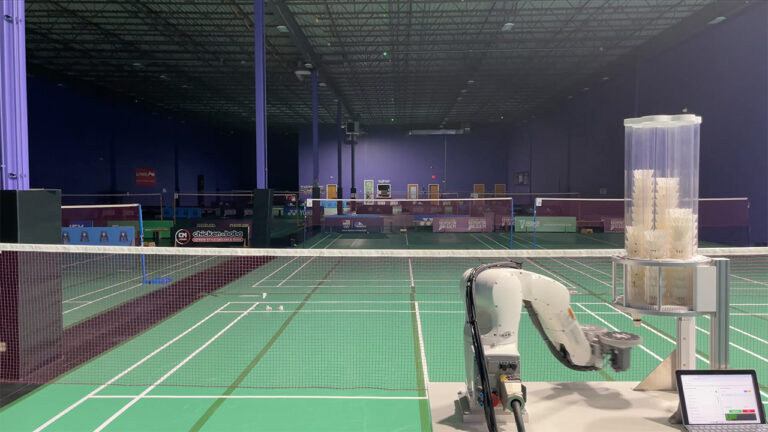
A used industrial robot has been converted into an automated badminton training machine capable of storing and firing up to
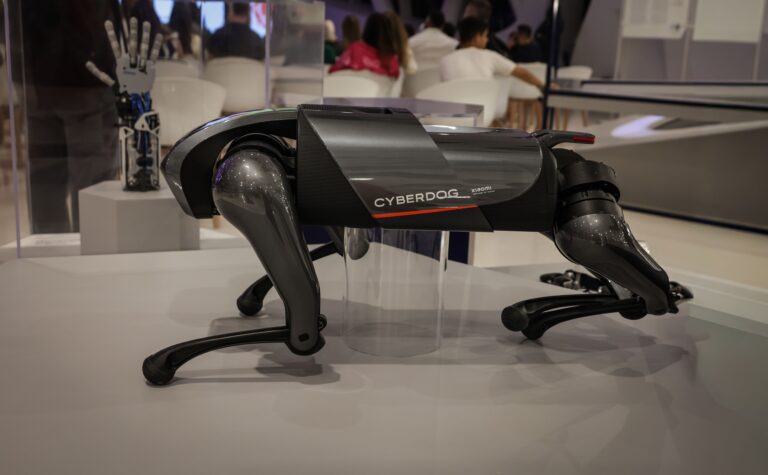
Researchers at HKU and the Oxford Robotics Institute have developed a learning system that helps a quadrupedal robot jump through narrow spaces. Inspired by dog movements, the system allows the 22-kg Aliengo robot to detect a gate, adjust its approach, fold its legs during the jump and continue running after landing.

Hong Kong has opened its first convenience stores operated by humanoid robots, giving Chinese robotics company Galbot a commercial base
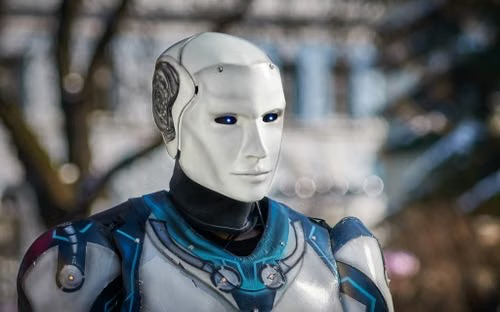
Serbia has started production at a new humanoid robot factory built with Chinese companies Minth Group and AgiBot. The Šabac facility is described as Europe’s first Chinese-backed mass-production base for humanoid robots. The project could eventually produce up to 20,000 humanoid robots and robotic dogs each year as Serbia expands its role in advanced manufacturing.
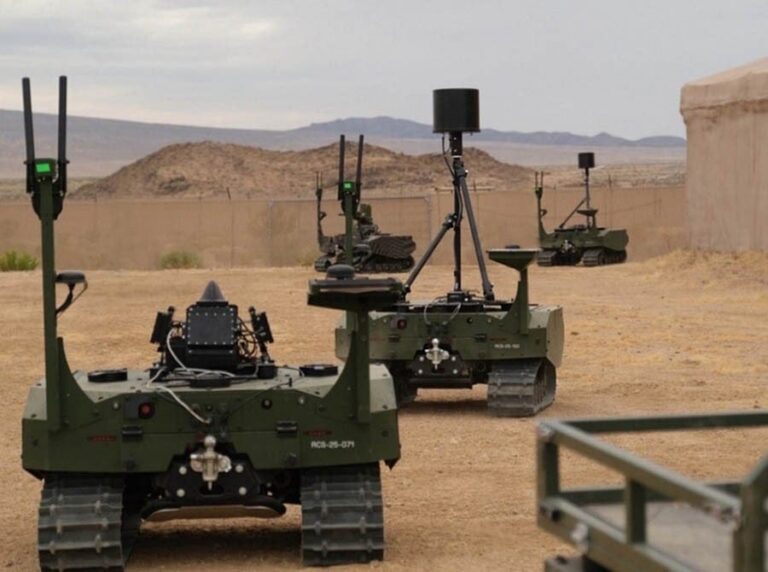
L3Harris Technologies and ARX Robotics UK have tested a remotely controlled ground robot carrying a counter-drone sensing system during a
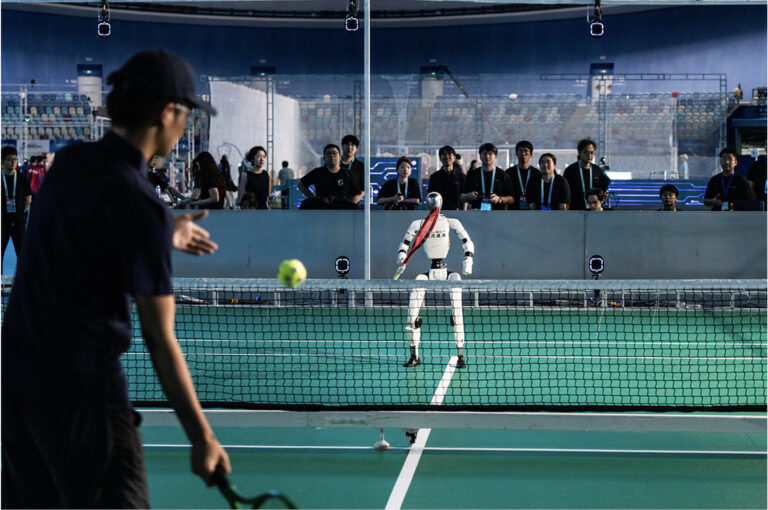
GALBOT humanoid robots have completed 100+ consecutive rallies in a live autonomous tennis match against human athletes. The robots tracked fast-moving balls, positioned themselves on the court, selected shots and adapted to changing game situations without following a fixed script. The demonstration highlights how AI-powered humanoid robots are beginning to combine perception, decision-making and physical movement in real-world settings.