ASU Air Muscles Let Robots Lift 100x Weight; No Wires, No Limits, Just Power
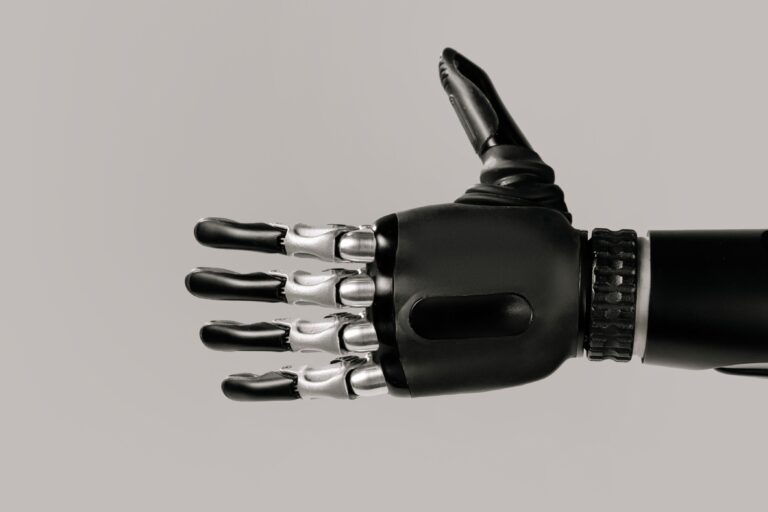
Researchers at Arizona State University(ASU) have developed bio-inspired robotic muscles that can lift up to 100 times their own weight

Researchers at Arizona State University(ASU) have developed bio-inspired robotic muscles that can lift up to 100 times their own weight

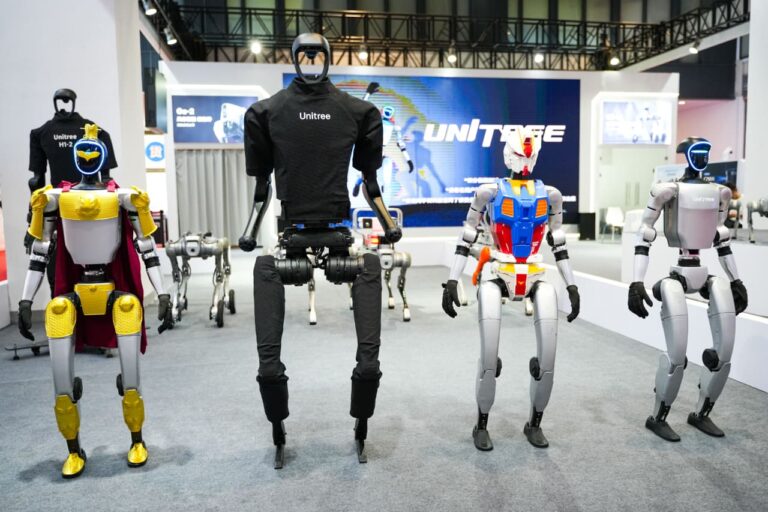
Durham University has acquired Alan, a Unitree G1 Edu humanoid robot, to support cutting-edge AI research. The robot combines movement, vision, and decision-making to help researchers test real-world ideas. Alan will study how robots recognise people, copy human actions, and assist in everyday environments. The project strengthens Durham’s work in assistive robotics and visual computing.

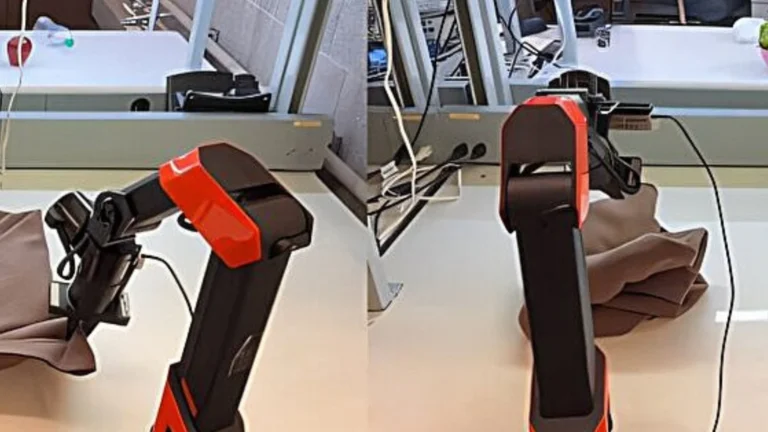
IIT Gandhinagar unveils a new control method that enables flexible robots to move with high precision in confined spaces while

German robotics company Agile Robots SE is partnering with Google DeepMind to integrate Gemini Robotics AI models into its Agile ONE humanoid. By combining DeepMind’s foundation models with Agile Robots’ existing hardware—already deployed in over 20,000 systems—the partnership aims to create smarter, more adaptable industrial automation that can learn from real-world tasks.

The Robotics and AI Institute( RAI) has released a new video of its experimental robot, Roadrunner. The machine may look

Engineers at Korea Advanced Institute of Science and Technology (KAIST) have introduced a humanoid robot that is drawing attention for

Engineers are developing bird-like robots with flapping wings that could transform drone technology by replacing traditional propellers with more flexible

Japanese researchers have created an insect‑inspired robot that tracks odors even when one of its two sensors fails. Based on the silkworm moth’s ability to navigate with a single antenna, the robot maintains consistent accuracy indoors and outdoors. The breakthrough, published in npj Robotics, brings resilient odor‑tracking closer to real‑world disaster relief and environmental monitoring.

McDonald’s has tested humanoid robots at one of its outlets in Shanghai, drawing attention from customers and social media users.

Researchers in China have taught a humanoid robot to play tennis using imperfect motion data from amateur players. Their LATENT system lets the robot return balls with 96.5% accuracy and move naturally. The approach, developed with robotics company Galbot, could help robots learn other athletic skills without needing perfect motion data.
We uphold the highest standards of journalistic integrity and ethical reporting, ensuring that truth and transparency prevail in all our content.
contact@modernmechanics24.com