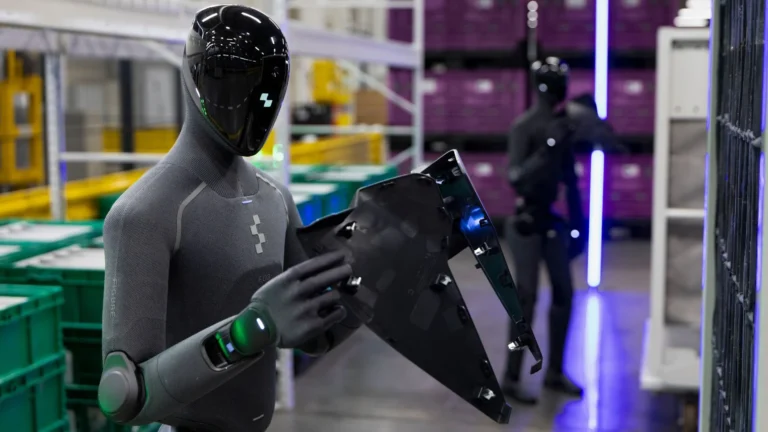
BMW Deploys Figure 03 Humanoid Robot to Power AI-Driven Factory Logistics at Spartanburg
BMW is increasing its investment in artificial intelligence across its global manufacturing network. The company is now using a more

BMW is increasing its investment in artificial intelligence across its global manufacturing network. The company is now using a more
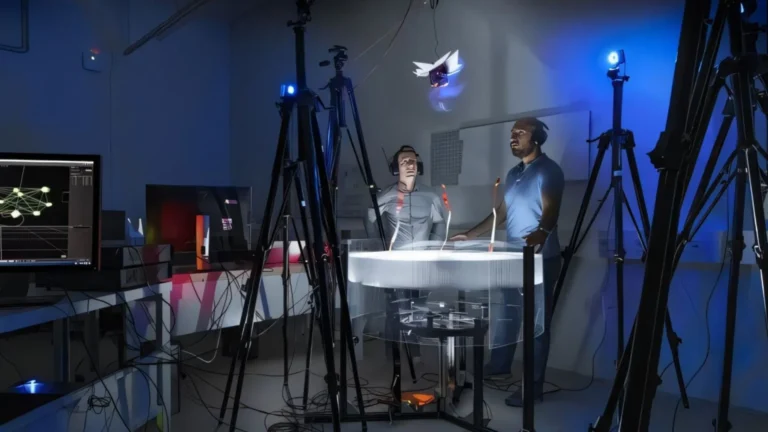
Researchers from the Max Planck Institute for Intelligent Systems and the University of Stuttgart have created a unique flying robot
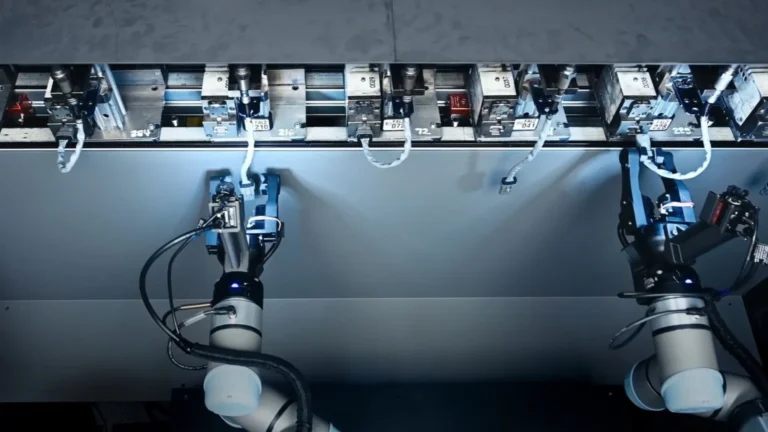
Sanctuary AI has taken a major step in expanding the use of Physical AI in industrial robots after successfully completing

Researchers at the Social Robotics Group of the Robotics Lab at the Universidad Carlos III de Madrid (UC3M) have created
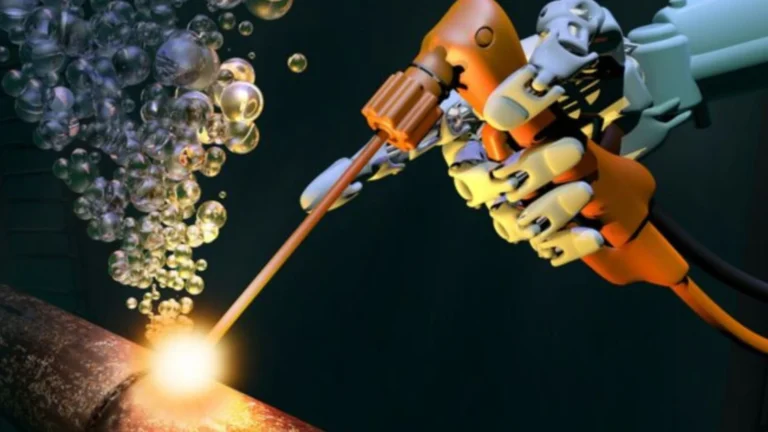
China has officially put its first domestically developed intelligent marine welding robot system into operation. The advanced system is designed

Researchers at the Italian Institute of Technology (IIT) have created a new robotic arm inspired by the remarkable abilities of
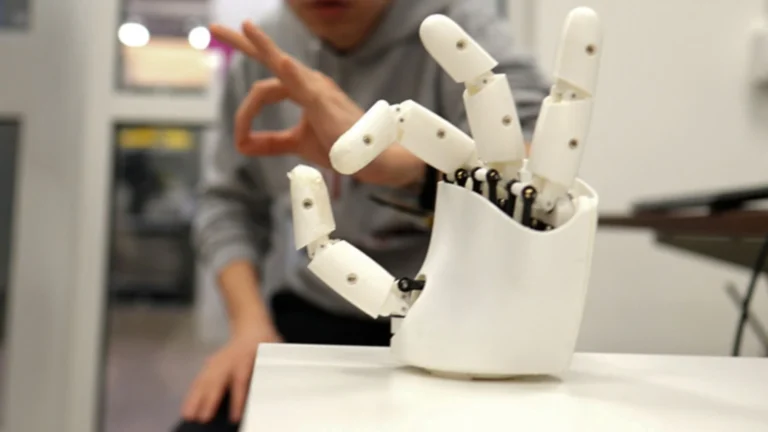
Researchers at MIT have developed a new AI-powered wristband that captures human hand movements and converts them into training data
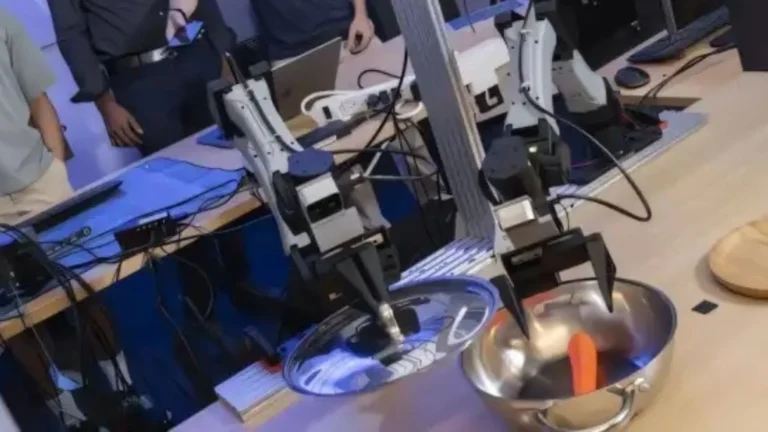
Researchers at Georgia Tech have introduced a new platform, COBALT, that turns a smartphone into a controller for robotic arms.
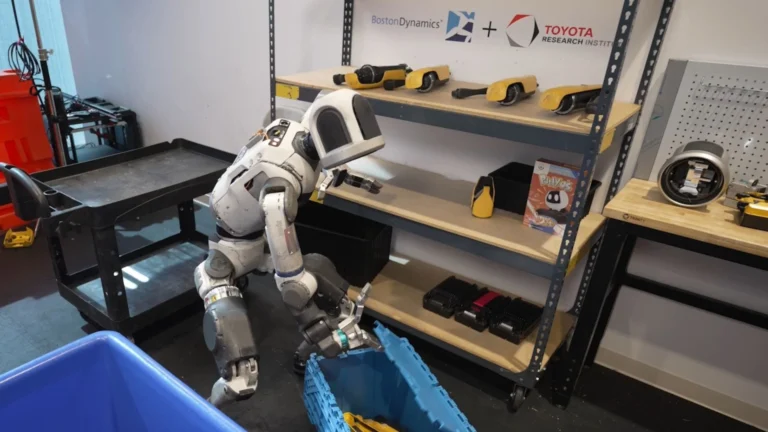
Chinese researchers have reported a major breakthrough in the manufacturing of key components for humanoid robots. The new research focuses
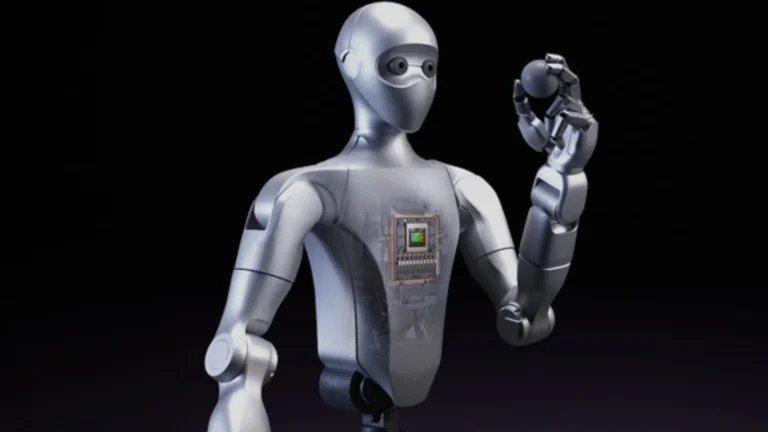
NVIDIA has announced the Isaac GR00T Reference Humanoid Robot, a new open humanoid robot platform designed to help researchers accelerate