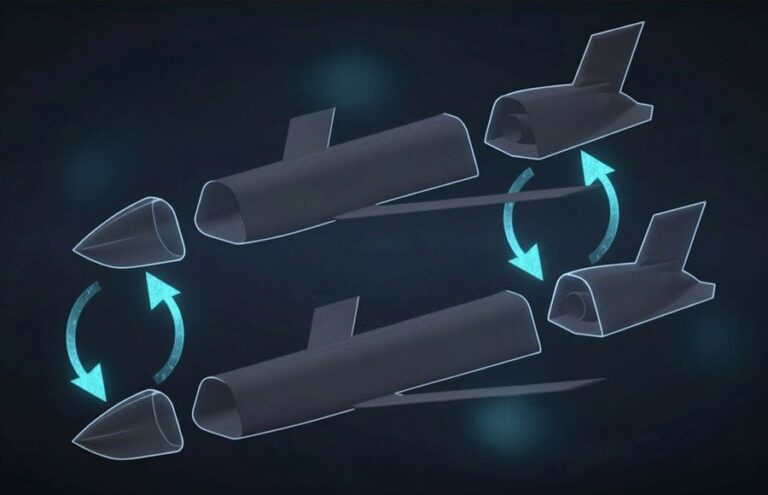
How Do You Turn One Missile Into Four? Lockheed’s AGM-158 FLEX Has an Answer
Lockheed Martin has unveiled the AGM-158 FLEX, a modular airframe designed to expand the launch and payload options of its

Lockheed Martin has unveiled the AGM-158 FLEX, a modular airframe designed to expand the launch and payload options of its
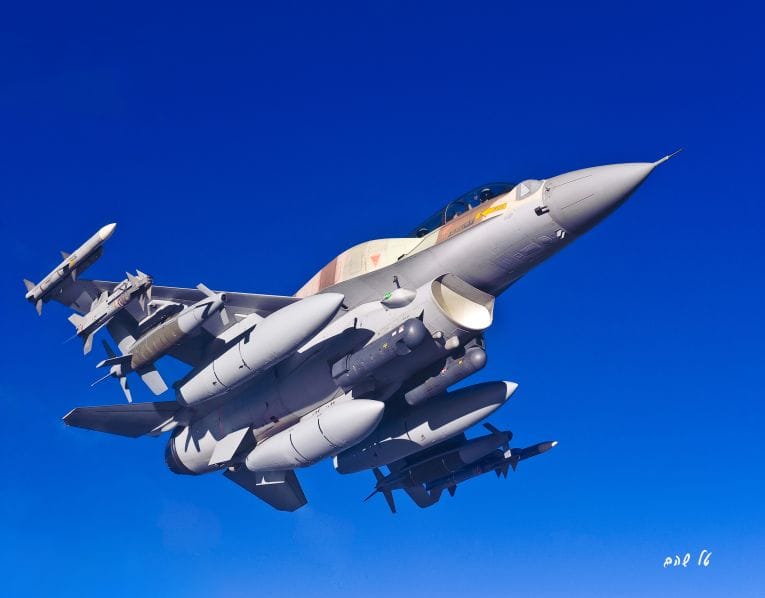
Rafael Advanced Defense Systems and Lockheed Martin have begun integrating the SPICE 1000 precision-guided weapon with Israel’s F-35 Adir fighter,
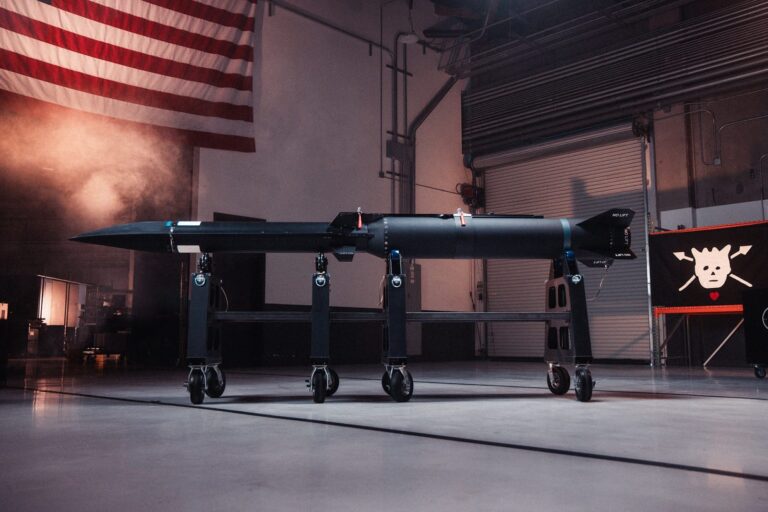
The US Navy is moving Castelion’s Blackbeard hypersonic strike weapon into production under a delivery order worth up to $200
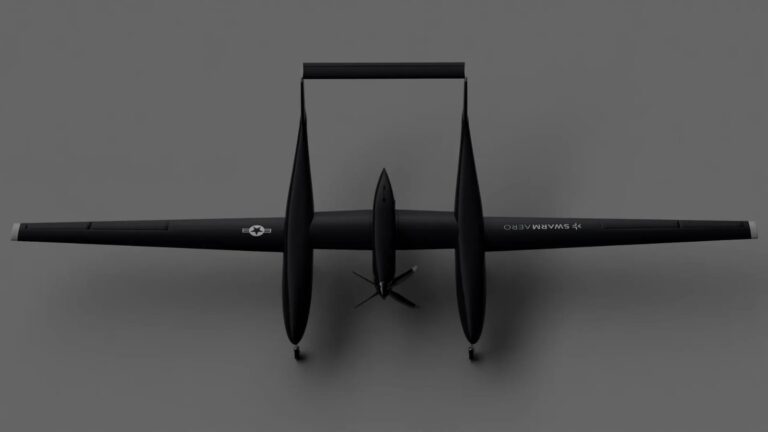
Swarm Aero has unveiled its Gamera unmanned aircraft as a candidate to replace the US Air Force’s MQ-9A Reaper. The
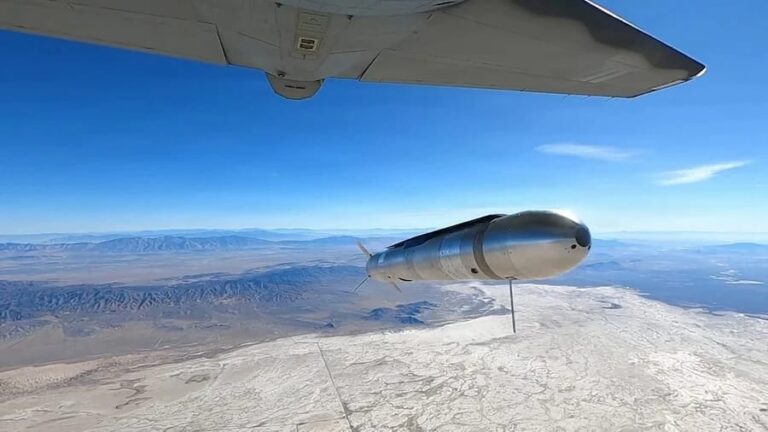
The US Air Force has cleared the AGM-190A Havoc Spear for wider operational use after the small cruise missile met

The U.S. Marine Corps is buying 12 Mission Master SP autonomous ground vehicles from American Rheinmetall under a $7.28 million contract. The purchase also includes five amphibious Marine Kits and support equipment. The vehicles can carry up to 1,000 kilograms on land and use PATH autonomy software to navigate, avoid obstacles and follow routes with limited operator input.

The US Navy has awarded General Dynamics NASSCO a $149.6 million contract to begin the second major modernization of the

HII has completed the first structural hull for its ROMULUS 151 unmanned surface vessel. Built with Breaux Brothers Enterprises in Louisiana, the 151-foot autonomous ship is designed for missions including surveillance, mine countermeasures, strike operations and counter-drone defense. Four additional hulls are already under construction as HII works to scale production.
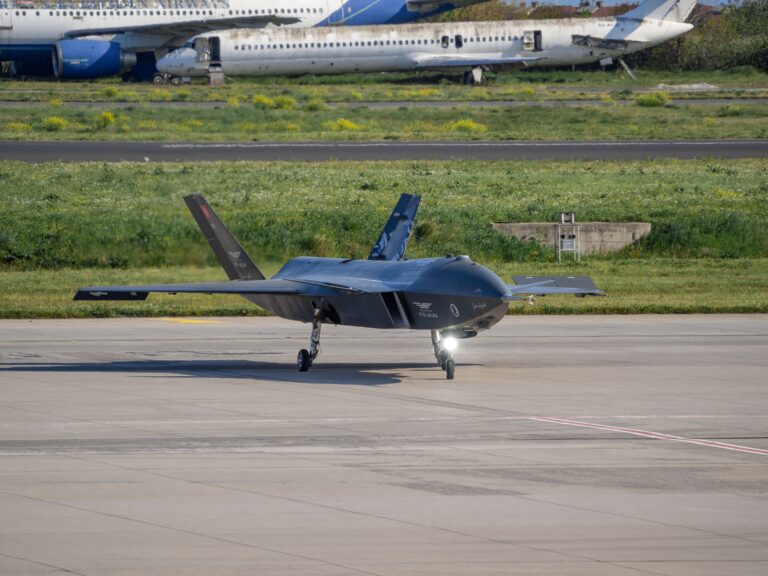
General Atomics has revealed its Wildfire combat drone concept for the U.S. Air Force’s Massed Modular Aircraft program. The aircraft is designed to carry up to four JSM missiles or two LRASMs while offering a combat radius of at least 2,300 nautical miles. With a target aircraft cost below $10 million, Wildfire is intended to support larger and more distributed drone operations.

The U.S. Defense Innovation Unit has successfully tested MagNav, a quantum-sensing navigation system that allows aircraft to navigate without GPS. Developed with Honeywell Aerospace, the system reads Earth’s natural magnetic field as an invisible navigation map. During a Pacific Ocean test lasting 4 hours and 23 minutes, MagNav improved position accuracy by 89% over traditional backup methods.