This AI Lets 3D Printers Catch Their Own Manufacturing Mistakes, 100,000x Faster Than Humans
Scientists and engineers at Lawrence Livermore National Laboratory have developed an AI-powered inspection system that allows 3D printers to monitor

Scientists and engineers at Lawrence Livermore National Laboratory have developed an AI-powered inspection system that allows 3D printers to monitor

Huawei Technologies has released a new research paper detailing how its Tau Scaling Law semiconductor architecture manages heat in advanced

A tiny convenience store in China’s Shiniuzhai National Geological Park sits about 120 meters above the ground on a steep cliff. The two-square-meter shop serves climbers with water and simple snacks during their roughly 90-minute ascent. While the location is convenient for climbers, employees reportedly have to carry supplies up the cliff before starting their shifts.
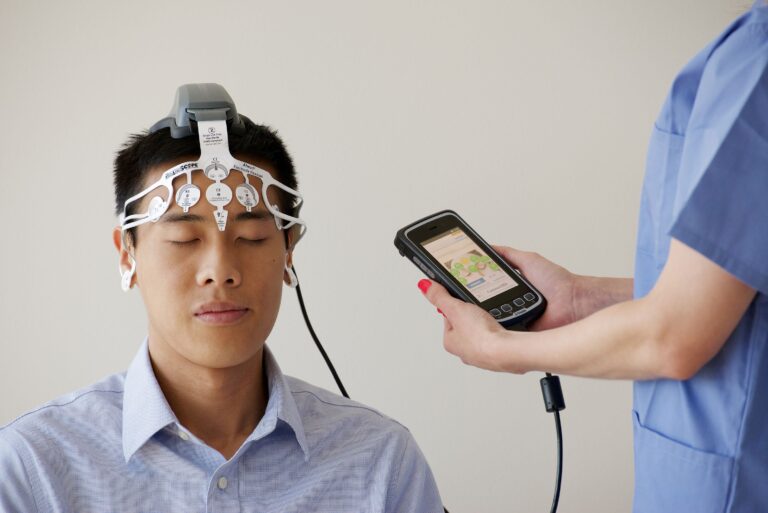
Researchers at KAIST and Yonsei University have demonstrated a wireless brain implant that can be controlled remotely over the internet. Called RAPIDO, the device received commands sent from Chicago to a laboratory in Daejeon, South Korea, more than 10,596 kilometers away. The implant can deliver programmed drug doses and provide targeted light stimulation, making it a potential tool for long-term brain research in freely moving animals.
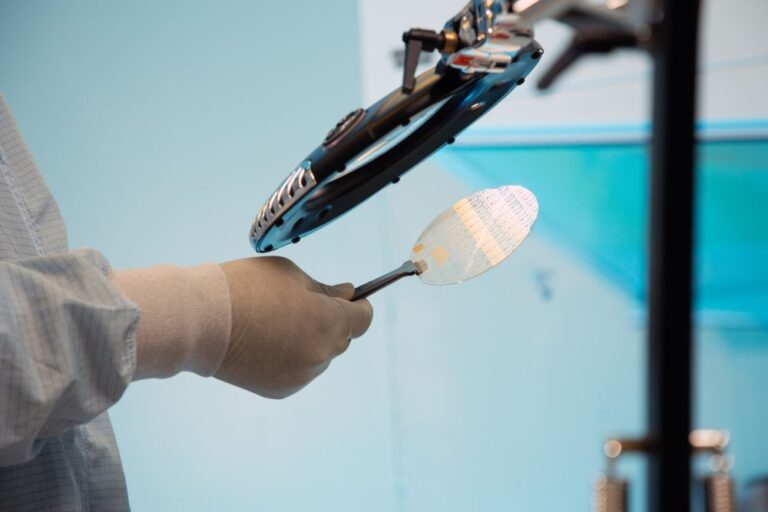
Northrop Grumman has secured a $7 million DARPA contract to build advanced microchips cooled by integrated diamond layers. Developed with Stanford University, the hardware cools circuits 5 times faster than copper. This diamond-cooling breakthrough prevents hardware burnout, enabling faster, smaller, and significantly more powerful radar and satellite communication systems for critical defense applications.

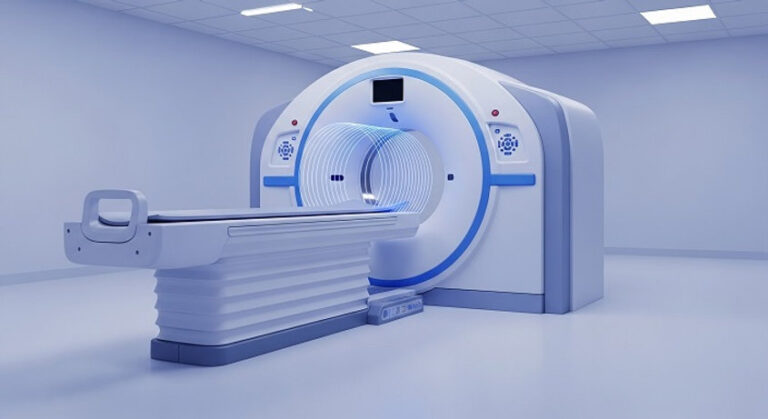
China has unveiled what its developers describe as the world’s first full-stack magnetic resonance imaging (MRI)-based brain-computer interface (BCI) solution,
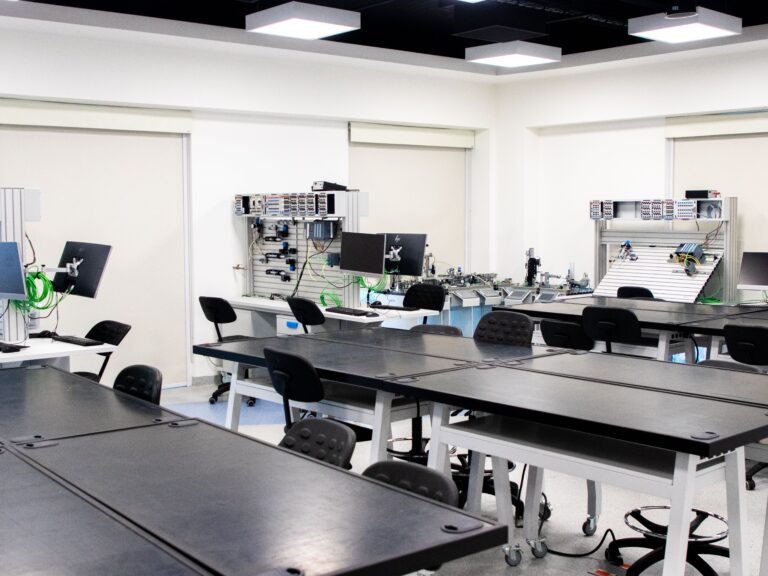
Micron Technology has opened a 60,000-square-foot training center in Boise, Idaho, to prepare workers for semiconductor manufacturing jobs. The facility uses real production equipment and supports college courses, technical training and apprenticeships. Micron and the U.S. Department of Commerce are also providing $3 million to the College of Western Idaho to expand education and workforce development.
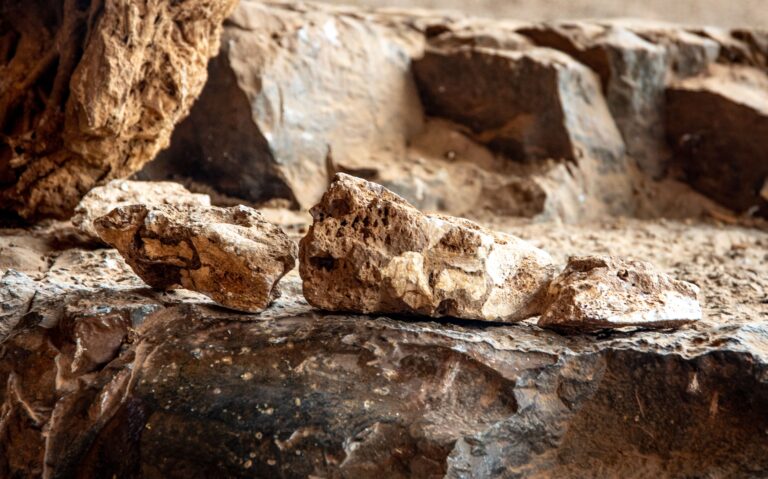
Chinese scientists have discovered that the orange-yellow lichen Xanthoria elegans could help identify rocks associated with rare earth deposits. At Bayan Obo, researchers found the lichen on 57 of 67 mapped carbonatite rocks. Its high rare earth content and strong link with mineralised rocks could make it a useful early clue for future mineral exploration.
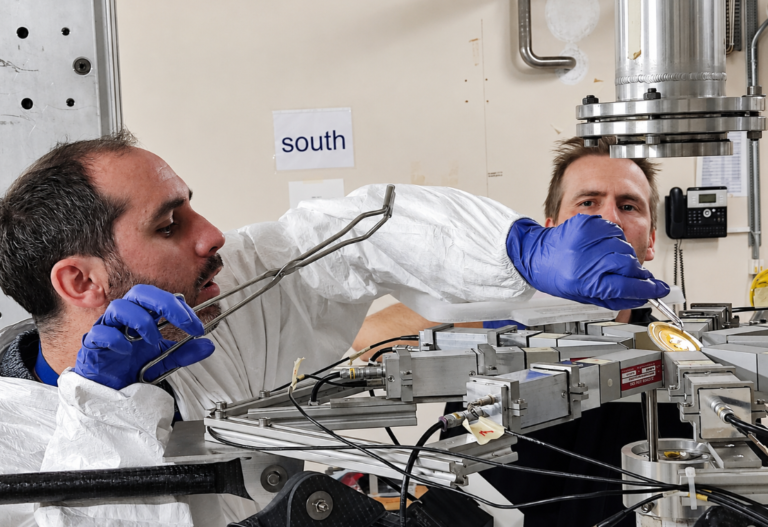
CERN’s n_TOF Collaboration has made the first experimental measurement of neutron capture by niobium-94. The result helps explain the unusually high amount of molybdenum-94 found in presolar grains, ancient stardust that existed before the Sun formed. The new measurement also improves stellar models and gives researchers a clearer view of how heavy elements are produced inside dying stars.

MIT engineers have developed the World-Space Interface, an arm-shaped controller designed to make excavators easier to learn and operate. Created with Sumitomo Heavy Industries, the system lets users mimic an excavator’s movements instead of relying on traditional joysticks. In tests, novice users performed as well as experienced operators from the start, pointing to a potentially faster way to train construction workers.