Innovation

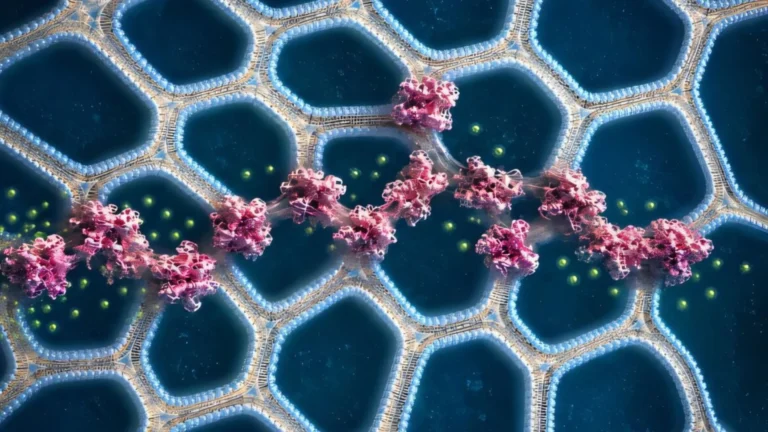
MIT room-temperature microwave device using a magnetic film to generate correlated signals.

MIT Researchers Build Room-Temperature Device for Secure Wireless Signals

MIT researchers have developed a small room-temperature device that generates strongly correlated microwave signals without bulky cooling equipment. The system uses a magnetic film and microwave resonator to create linked signals with different frequencies. In a demonstration, the researchers used the signals to securely transmit an image. The technology could support future radar, sensing and wireless

Read More...
Next Hydrogen electrolyser technology for a planned hydrogen fueling station in British Columbia.

Next Hydrogen Designs 10 MW Hydrogen Fueling Station in British Columbia

Next Hydrogen has completed the engineering design for a planned 10 MW hydrogen fueling station in British Columbia. The project is intended to support cleaner transportation, including medium- and heavy-duty vehicles. A final investment decision is expected by the end of 2026, with construction potentially starting in late 2027 or early 2028 if the project moves forward.

Read More...
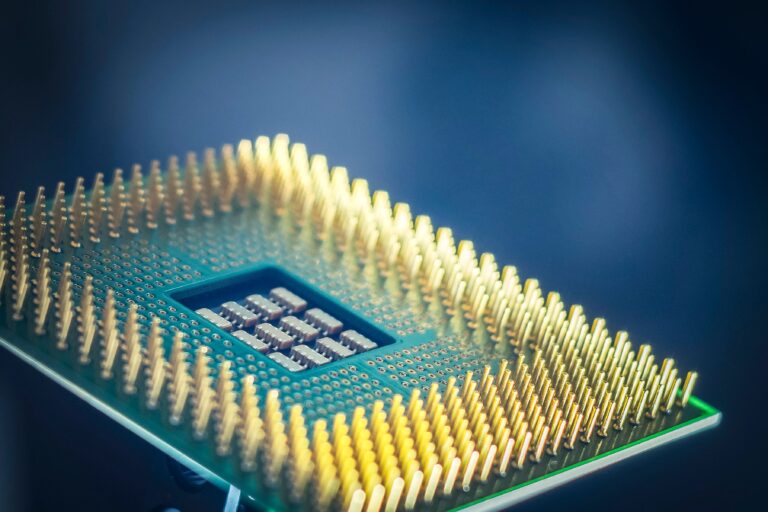
Researchers studying a processor security vulnerability involving CPU prediction hardware

MIT Researchers Find New Attack That Can Bypass CPU Security

Researchers at MIT CSAIL have discovered a new processor attack called TONTOU that can bypass some defenses against speculative-execution attacks. Tested on Intel and AMD processors, the technique exploits a tiny timing gap around CPU interrupts. AMD has released a software mitigation, highlighting the need to keep operating systems updated as processor security defenses continue to evolve.

Read More...

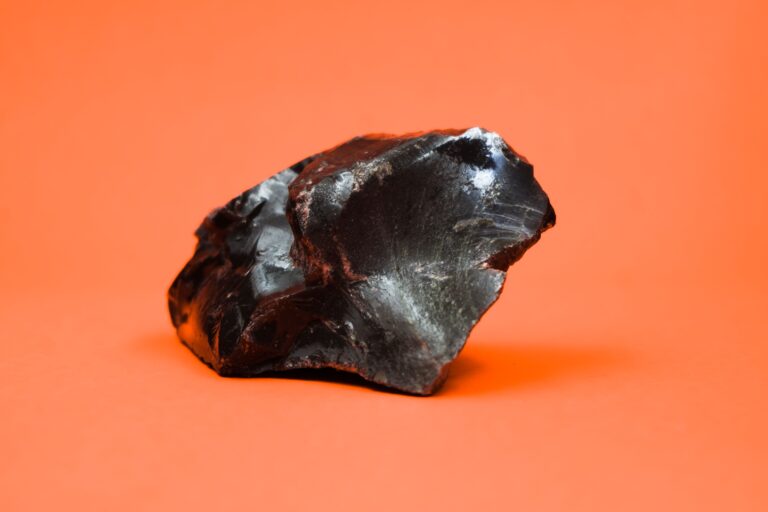
China Names New Germanium Mineral With 72% Germanium Content

China has discovered and officially named Wusihe germanium ore, a new mineral with reported germanium oxide content of up to 72%. The mineral is the first independently occurring germanate mineral discovered in China. Researchers say studying it could improve understanding of germanium deposits and help guide future exploration for the critical material.

Read More...

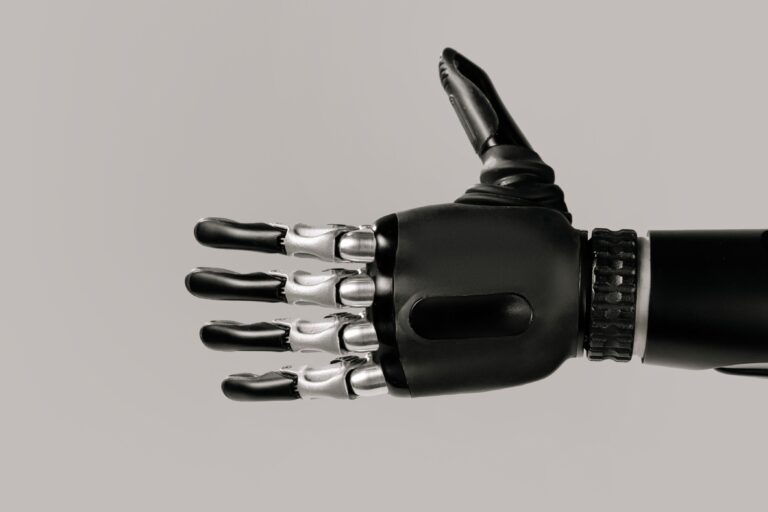
Foundation’s Robotic Hand V2 Catches Baseball Without Relying on Vision

Foundation has introduced its Robotic Hand V2, a tendon-driven robotic hand capable of catching a baseball during a live demonstration. Led by Andrea Esposito, Head of Foundation’s Hand Division, the project combines lightweight mechanical design, software-based finger position estimation, and TMR sensors to improve robotic dexterity for future humanoid robots and industrial applications.

Read More...