Starship Aims for Orbit: SpaceX’s Riskiest Test Yet Launches This September 22
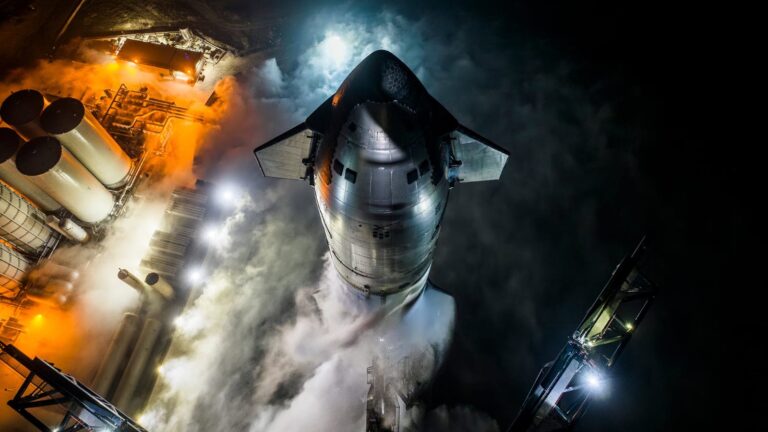
SpaceX is preparing to launch its Starship rocket on September 22 in a test that will attempt to place the

SpaceX is preparing to launch its Starship rocket on September 22 in a test that will attempt to place the
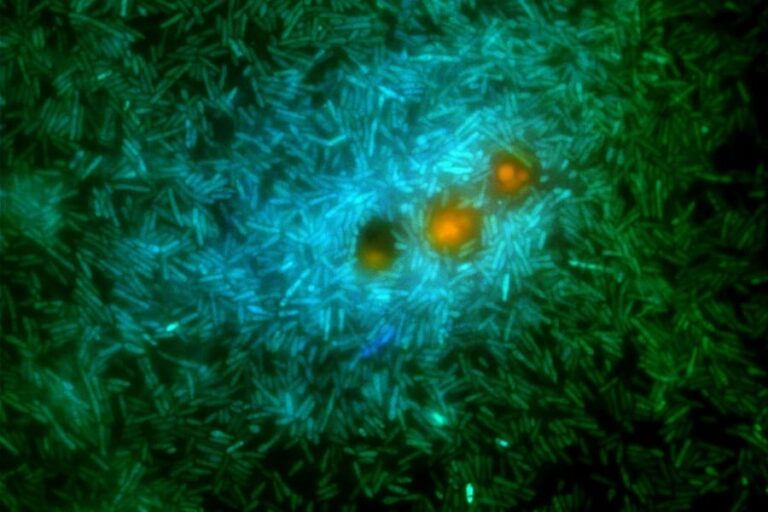
Marine bacteria break down fucoidan, a complex carbohydrate produced by algae, by dividing the task among specialized members of a

Chinese researchers have developed a method that extends the writing endurance of an emerging memory material to more than 10
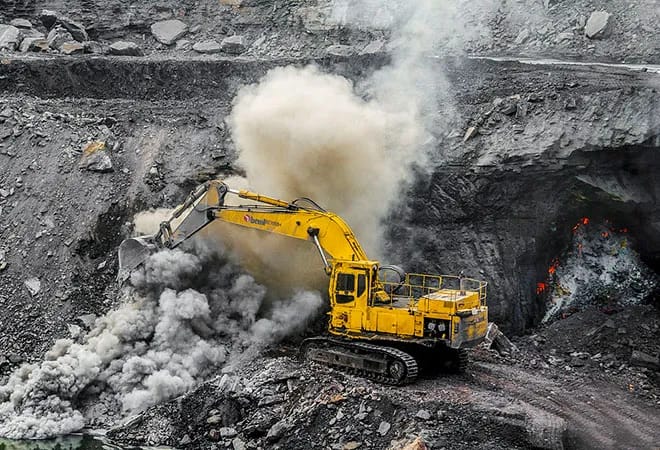
China has introduced two artificial intelligence systems designed to speed up geological mapping and mineral exploration. The systems can process

Venus Aerospace has opened a new propulsion test stand at the Houston Spaceport to expand testing of its rotating detonation rocket engine. Supported by the Texas Space Commission, the facility allows Venus to perform higher-thrust and longer-duration tests. The company says the added capacity will help advance its propulsion systems toward future defense and space applications.
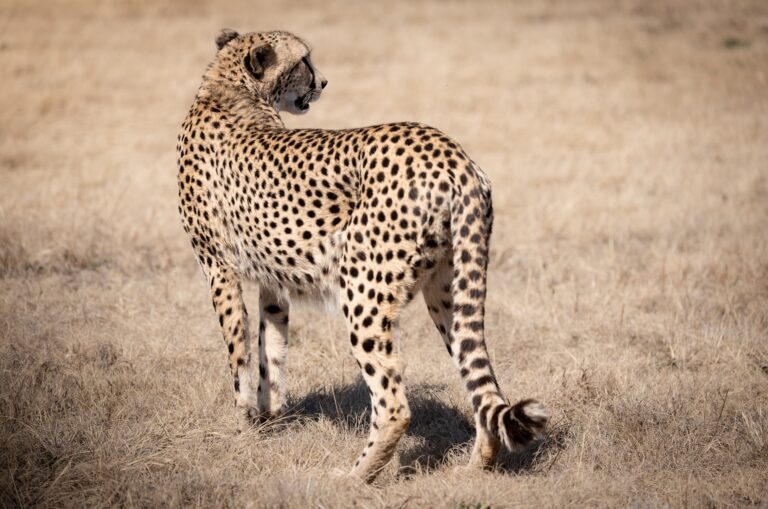
A new study has changed what scientists know about the extinct “American cheetah,” Miracinonyx trumani. DNA evidence shows that the animal was more closely related to modern pumas than cheetahs. Researchers also found that northern populations living in the Yukon ate almost exclusively fish, showing how the predator adapted to very different environments.

Chinese aerospace researchers have examined how military competition on Earth might extend into the space between Earth and the moon.
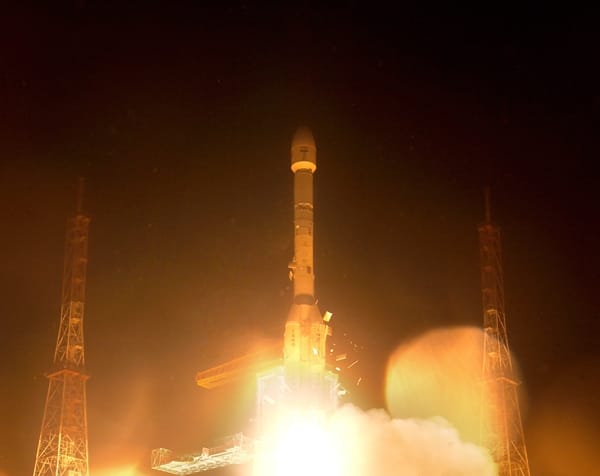
India launched the EOS-05 Earth observation satellite aboard its GSLV-F17 rocket on Friday, placing the spacecraft into a Sub-Geosynchronous Transfer

The US Space Force has selected Leonardo DRS to develop a space-based sensor designed to detect, track and target fast-moving
Argonne National Laboratory is part of STREAMLINE, a research project using AI and supercomputers to tackle a major nuclear physics problem. Researchers are training neural networks to model the complex behavior of protons and neutrons inside atomic nuclei. The approach can scale to about 100 interacting particles, compared with roughly a dozen for some earlier methods, potentially enabling more realistic nuclear simulations.