Science

Roman Space Telescope Launches

NASA’s Roman Telescope Launches to Explore the Dark Universe

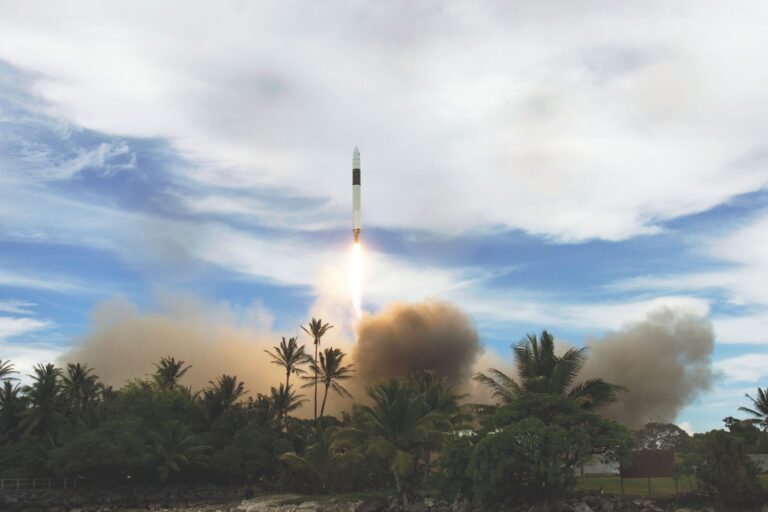
NASA’s Nancy Grace Roman Space Telescope has launched aboard a SpaceX Falcon Heavy rocket and is heading toward an orbit about one million miles from Earth. The infrared telescope will survey huge areas of the universe and study dark matter, dark energy, and exoplanets. Its Wide Field Instrument can capture 300-megapixel images, while the mission will send about 1.4 terabytes of data each day.
Read More...
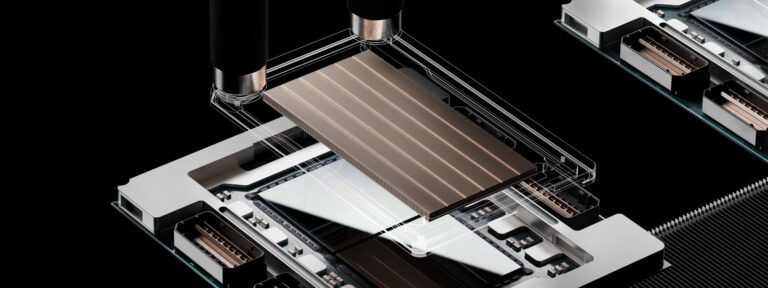
AI chip representing magnetic SOT-MRAM memory technology for edge computing

Texas Engineers Test Magnetic Memory for Faster Edge AI

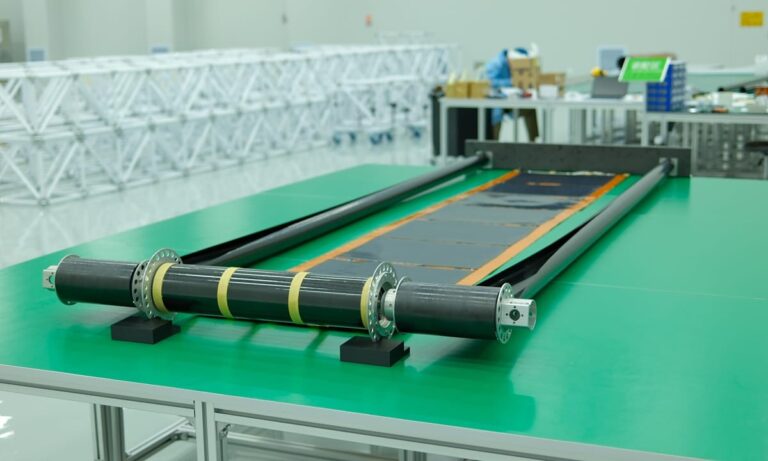
Researchers from the University of Texas at Austin and TSMC have tested SOT-MRAM, a magnetic memory technology designed for energy-efficient AI. The chips completed write operations in just 2 nanoseconds while using 2 picojoules of energy per write. The technology could eventually help sensors, robots, and other edge devices run AI locally with less reliance on data centers.

Read More...
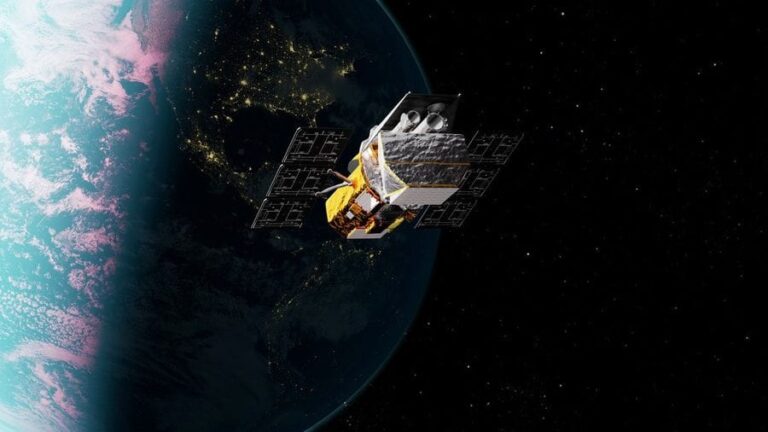
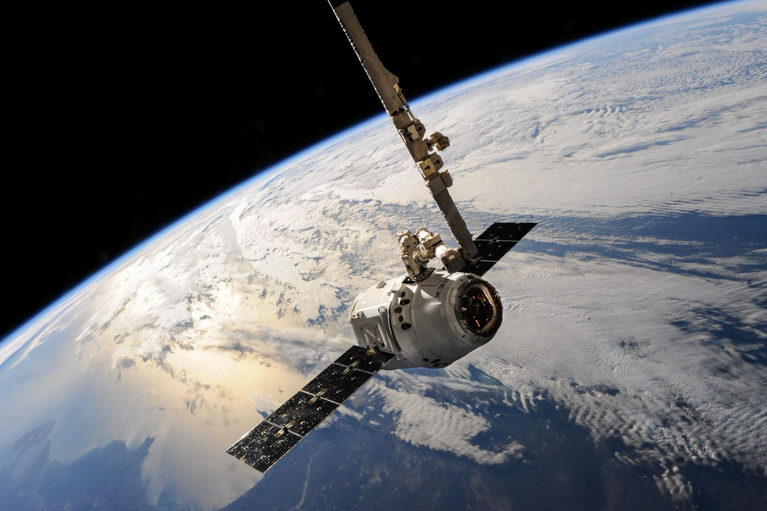
Satellite in orbit representing China’s space-based computing cloud network

China Launches Space Computing Cloud for In-Orbit Services

China has put a new orbital computing cloud into regular service, led by Beijing University of Posts and Telecommunications. The platform allows users to run computing tasks and process data in space, reducing the need to send all satellite data back to Earth. BUPT says the system has already completed hundreds of computing tasks for more than 100 users.

Read More...
Dual-Architecture Processor

IBM Unveils Dual-Architecture Processor for Z and LinuxONE Systems

IBM has unveiled a new dual-architecture processor designed for future IBM Z and LinuxONE systems. Built on a 2nm process, the chip will feature 11 high-performance cores running above 5.7 GHz, along with AI accelerators and an on-chip data processing unit. It aims to bring Arm-native Linux applications to IBM’s mission-critical enterprise platforms.

Read More...
NVIDIA Vera Rubin NVL72 AI computing system designed for high-efficiency agentic AI workloads.

NVIDIA Vera Rubin NVL72 Boosts AI Agent Efficiency by Up to 30x

NVIDIA says its Vera Rubin NVL72 system delivers up to 30x higher throughput per megawatt than GB300 NVL72 on tested agentic AI workloads. The company also reports up to 35x lower token costs. The results come from real-world coding trajectories measured with the SemiAnalysis AgentX workload, though the early figures are still awaiting independent review.

Read More...
Concept of an orbital satellite receiving additional power for high-performance AI computing in space.

Aethero Signs Deal With Star Catcher to Power AI Computing in Orbit

Aethero has signed a power agreement with Star Catcher Industries to support high-performance computing in orbit. Star Catcher’s planned orbital energy network uses wireless optical power beaming to deliver additional power to spacecraft on demand. The deal could help Aethero build space-based data centers that process AI and other data-intensive workloads closer to where the data is collected.

Read More...