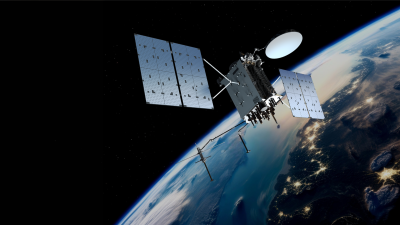
Lockheed Martin has secured $114 million in new contracts from the U.S. Space Force to modernize the ground systems that support GPS. The work will improve the system’s security, reliability and ability to handle future threats.
The two contracts focus on the GPS IIIF Contingency Operations System and the Architecture Evolution Plan (AEP) x86 Phase 1. According to Lockheed Martin, the upgrades will prepare the GPS ground network to support the next generation of GPS IIIF satellites.
The first task order is worth $96 million. Under this contract, Lockheed Martin will upgrade the existing GPS ground system so it can control the GPS IIIF payload. This will allow the ground system to operate with the newer generation of GPS IIIF satellites.
The second task order is worth $17.5 million. It begins the first phase of a three-stage technology refresh for GPS ground hardware and software. The updated system will use a more modular design, which can make it easier to update and maintain different parts of the ground network.
GPS is not only used for finding locations on phones and navigation devices. Its positioning, navigation and timing services are also important for military operations and many civilian systems. These include transportation, telecommunications, finance and utility management.
The new upgrades are also connected to the use of M-Code-enabled GPS IIIF satellites. M-Code is a military GPS signal designed to provide stronger protection against jamming and other signal disruptions. The upgraded ground segment will help support the deployment and operation of these newer satellites.
Lockheed Martin said the new work builds on its long-running partnership with the U.S. Space Force under the GPS Control Segment Sustainment contract. The company has also received other GPS-related contracts this year, including a $105 million award for ground support during GPS IIIF satellite launches, early-orbit operations and disposal activities.
The latest contracts do not upgrade the entire GPS system by themselves. They mainly focus on the ground segment, which is one part of the wider GPS network. Satellites, signals and other supporting systems are also needed for GPS services to work properly.
The announcement follows the launch of the last GPS III satellite in April 2026. Lockheed Martin is now manufacturing GPS IIIF satellites for the next stage of the program. The company says these satellites will offer improved accuracy and 63-times greater resiliency compared with legacy GPS satellites.
The modernization of the ground segment is important because GPS users depend on continuous and reliable positioning, navigation and timing services. For military users, stronger resilience can help maintain access to GPS signals in challenging environments. For civilian users, reliable GPS supports many everyday and critical services.
Overall, the contracts represent another step in the long-term modernization of the GPS enterprise. The work will help connect newer satellites with upgraded ground infrastructure while supporting the continued use of GPS by military and civilian users around the world.