Science

US Berkeley Lab Finds Ultra-Thin Material for Low-Power Chips

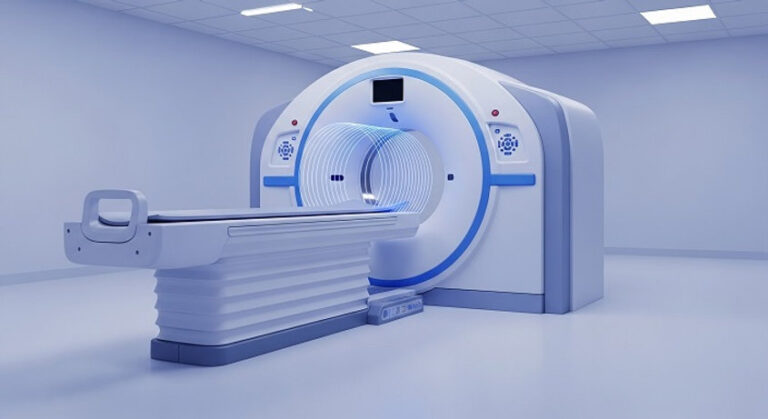
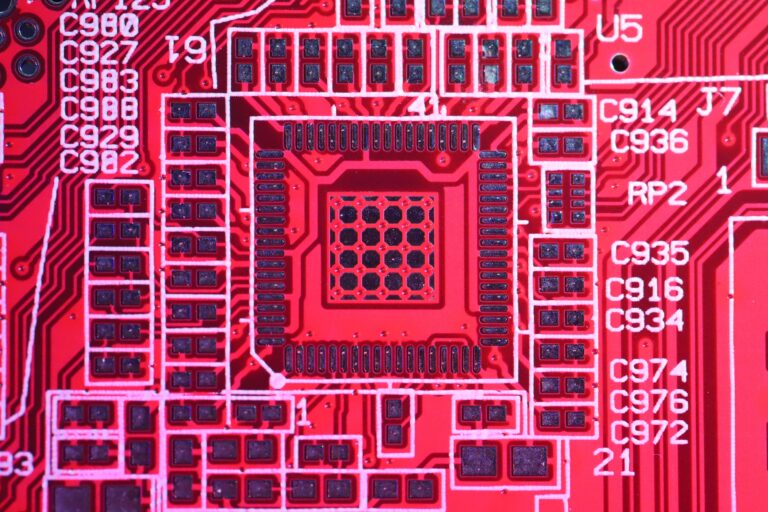
Lawrence Berkeley National Laboratory (Berkeley Lab) has discovered that ultra-thin titanium dioxide becomes a ferroelectric material at less than 3 nanometers thick. The finding could help future memory and logic chips operate with lower power while reducing heat. Researchers believe the discovery may support more energy-efficient electronics for AI systems and next-generation computing.
Read More...

Foundation’s Robotic Hand V2 Catches Baseball Without Relying on Vision

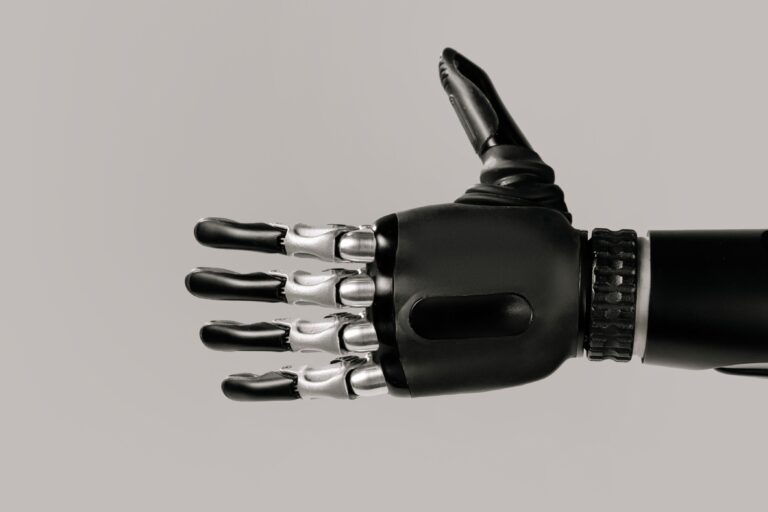
Foundation has introduced its Robotic Hand V2, a tendon-driven robotic hand capable of catching a baseball during a live demonstration. Led by Andrea Esposito, Head of Foundation’s Hand Division, the project combines lightweight mechanical design, software-based finger position estimation, and TMR sensors to improve robotic dexterity for future humanoid robots and industrial applications.

Read More...
Scientists working at China's High Intensity Heavy-Ion Accelerator Facility used to study rare atomic isotopes.

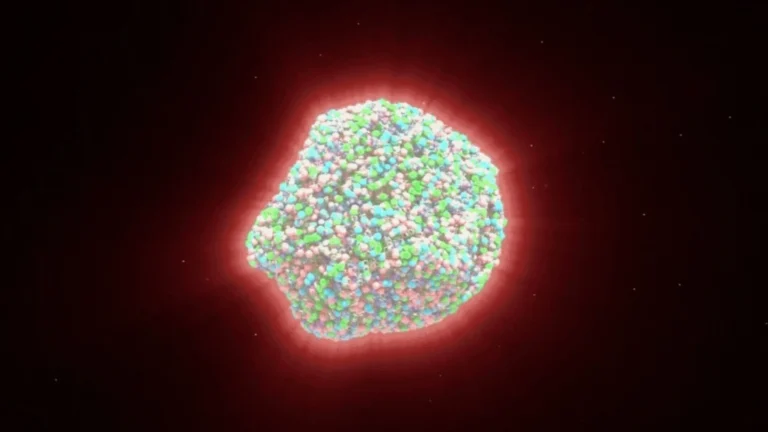
China’s Rare Isotope Discovery Opens New Nuclear Possibilities

The Chinese Academy of Sciences has announced the first major scientific result from the High Intensity Heavy-Ion Accelerator Facility (HIAF). Researchers successfully observed the rare hafnium-153 isotope, marking an important step in nuclear physics and demonstrating the new accelerator’s ability to explore the limits of atomic nuclei.

Read More...

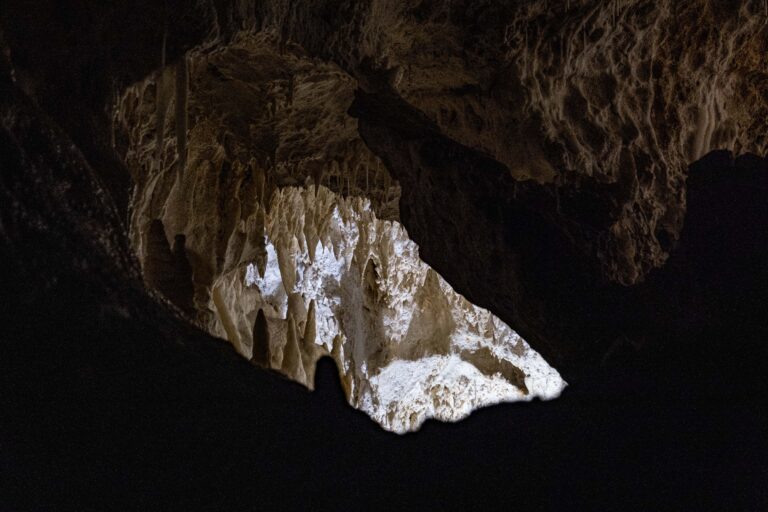
NASA Funds Laser-Powered Drone to Explore Hidden Moon Caves

NASA has awarded Stone Aerospace $175,000 to study a laser-powered drone that could explore hidden caves beneath the Moon. The LUX drone would receive power through a fiber-optic cable from a surface rover, helping scientists investigate underground areas that may support future Moon and Mars missions.

Read More...

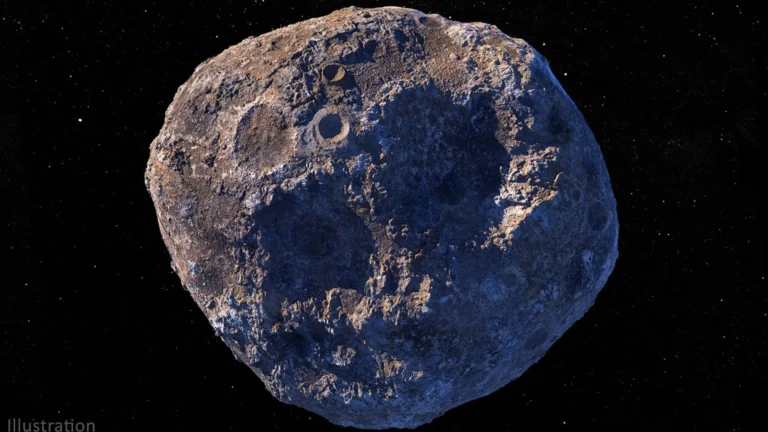
China’s Nuclear Plan to Save Earth From Killer Asteroids

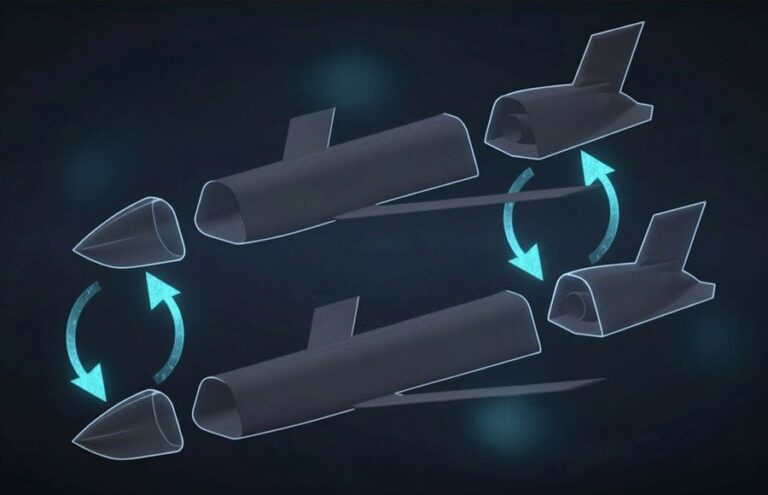
China has proposed a new asteroid defense method that uses two spacecraft and a buried nuclear explosion to stop dangerous space rocks. China Academy of Launch Vehicle Technology says computer simulations show the approach could destroy a 100-meter asteroid more effectively than a surface blast. The idea could improve future planetary defense but has not yet been tested in space.

Read More...