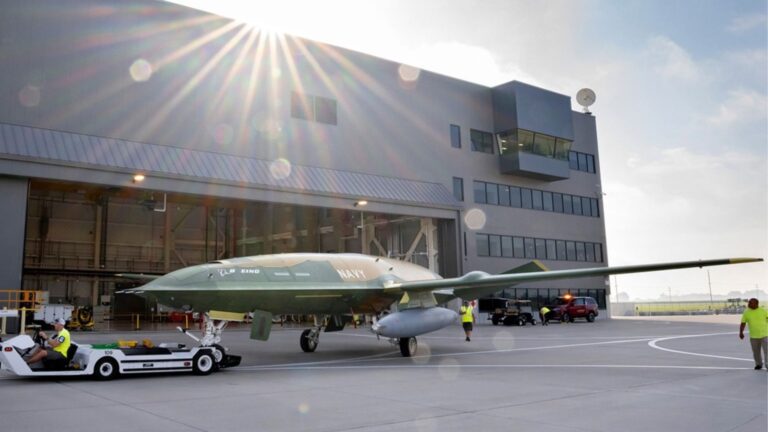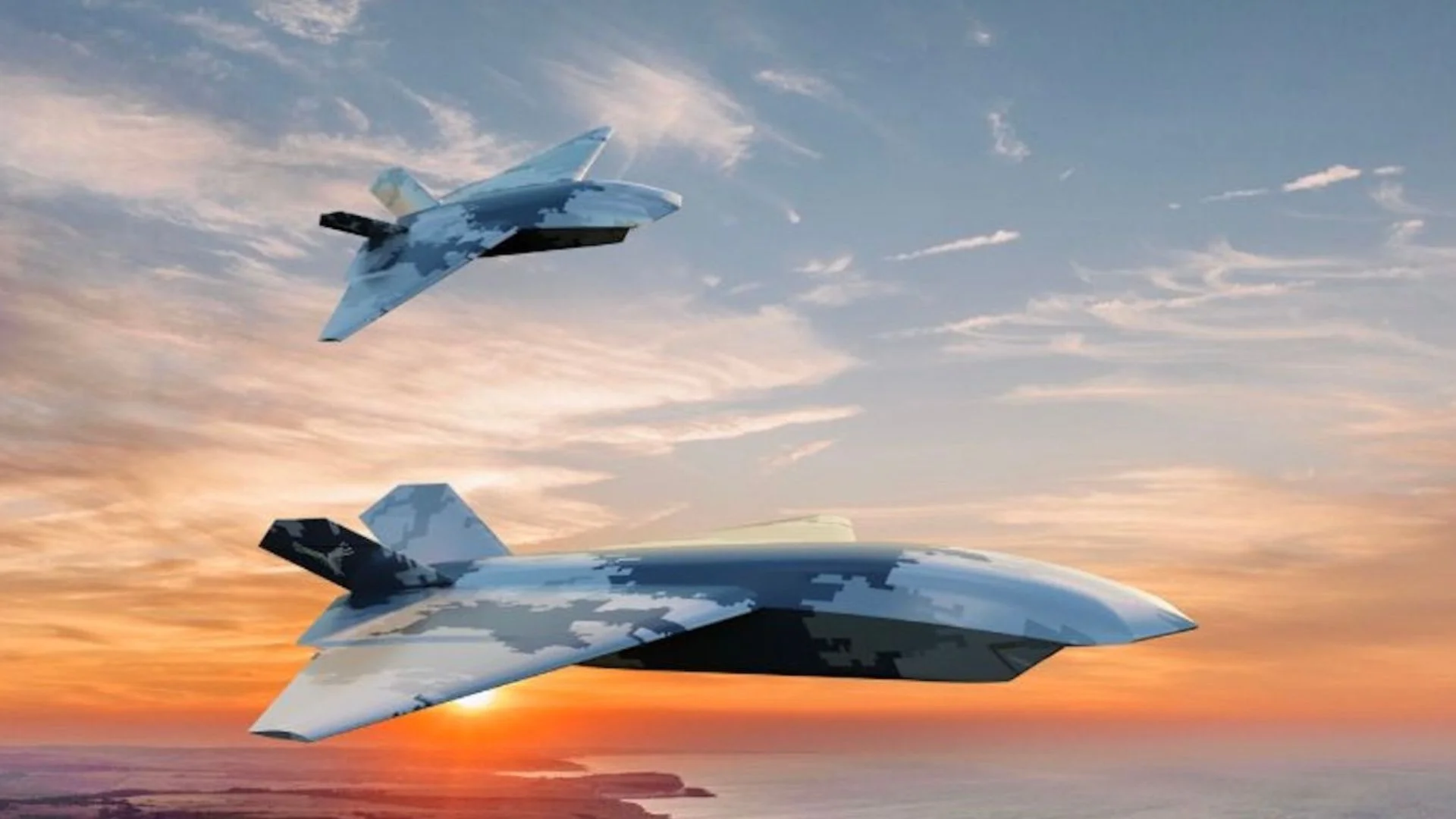
Britain has officially launched the StormFighter program, a new effort to develop collaborative combat drones that will operate alongside the Royal Air Force’s fighter aircraft.
The announcement marks a major step in the country’s plan to expand the use of autonomous systems in future military operations. The project aims to improve combat capability while reducing risks for pilots in dangerous environments.
The program was unveiled in London during the Air Power Association Global Air and Space Chiefs’ Conference. Minister for Defence Readiness and Industry Luke Pollard introduced the initiative as part of the government’s wider defence modernization strategy. The project has received £300 million, or about $406 million, through Britain’s Defence Investment Plan released on July 2, 2026.
Future Combat Vision
StormFighter is designed to work alongside crewed fighter aircraft rather than replace them. The drones will support Royal Air Force Typhoon and F-35 jets before later integrating with the future Tempest fighter. This approach allows human pilots and autonomous aircraft to work together during complex military missions.
Pollard described the future drones as both a guardian angel and an attack dog for fighter pilots. In simple terms, these aircraft will help protect crewed jets while also carrying out dangerous tasks during combat operations. Such missions may include scouting ahead, distracting enemy defenses or engaging selected targets without placing pilots at greater risk.
READ ALSO: Joyson Electronics Debuts Robotic Hand, AI Brain, and Smart Battery Tech at WAIC 2026
StormFighter’s Guardian Angel Role
Collaborative combat aircraft are becoming an important part of modern military planning around the world. Unlike traditional drones that are often remotely controlled, these systems are designed to operate with a higher level of autonomy while staying connected to crewed aircraft. Their lower cost compared with advanced fighter jets also makes them useful for high-risk missions.
Expanding Drone Family
StormFighter was announced together with two additional uncrewed aircraft programs called Storm Chrome and Storm Fire. Air Chief Marshal Sir Harv Smyth introduced both projects during the same conference in London. Together, they form a broader family of autonomous systems for different battlefield roles.
Storm Chrome is being developed as an electronic warfare drone. Electronic warfare involves disrupting enemy radar, communications and sensors to make military operations safer and more effective. Storm Fire, meanwhile, is a one-way attack drone with a reported operational range of around 1,000 miles.
These projects build upon StormShroud, which entered Royal Air Force service last year. StormShroud is an autonomous electronic warfare system designed to interfere with hostile radar systems and improve the survival chances of friendly aircraft. The growing Storm family shows Britain’s increasing investment in different types of uncrewed military technology.
READ ALSO: MIT Study Reveals Why Energy Project Location Shapes Future Grid Reliability and Blackout Risk
Integration And Industry
Before entering service, StormFighter must be integrated with the RAF’s existing Typhoon and F-35 fleets. In the longer term, the drones are also expected to operate alongside Tempest, Britain’s future sixth-generation fighter aircraft being developed with Japan and Italy under the Global Combat Air Programme. This connection links Britain’s drone strategy directly with its next generation of crewed combat aircraft.
Britain has become one of the few European nations with both a funded collaborative combat aircraft program and an active sixth-generation fighter project. The Defence Investment Plan calls for a technology demonstrator to fly by at least 2030. However, RAF officials have also indicated they hope to demonstrate a drone flying alongside a Typhoon as early as 2027.
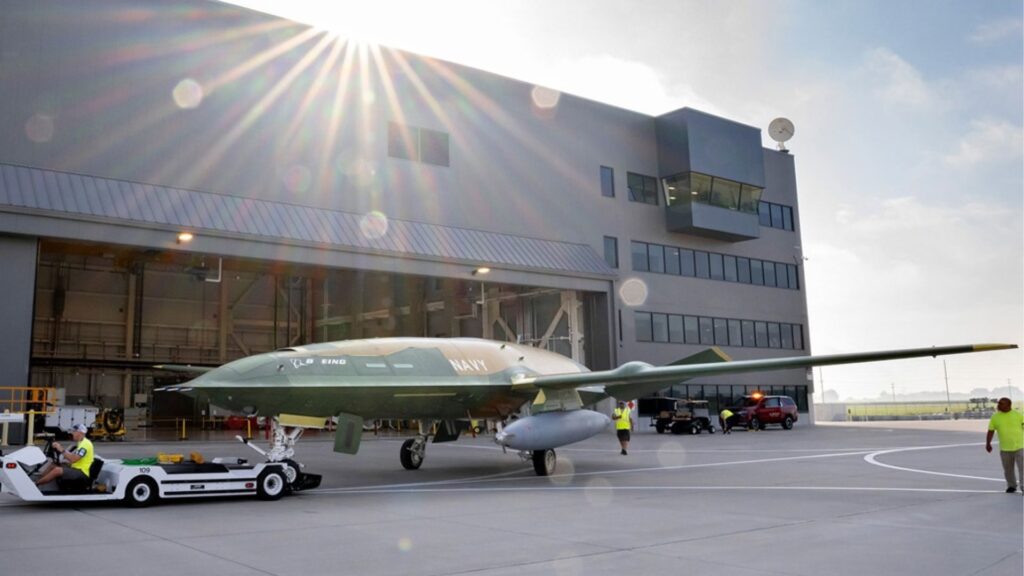
Several major defence companies are expected to compete for the StormFighter program. BAE Systems is likely to offer its Autonomous Collaborative Platform concept, while Boeing has also been identified as a potential competitor. The competition is expected to encourage innovation in autonomous military aviation.
READ ALSO: Rafael Unveils Combat-Tested Air Defence and Precision Strike Systems at Farnborough 2026
Long Term Impact
Britain’s wider investment in drones and advanced autonomous systems has now reached £5 billion. That funding forms part of a broader £27.8 billion plan to modernize the Royal Air Force over the next four years. The government also expects these projects to support defence exports, strengthen industrial partnerships and create skilled jobs.
The introduction of the StormFighter also raises future support requirements for the RAF. Tempest is expected to use boom refueling instead of the hose-and-drogue system currently used by Voyager tanker aircraft, which may require upgrades or new support capabilities. Planning for these changes is becoming an important part of preparing the future air force.
StormFighter represents Britain’s shift from testing autonomous military aircraft to building a structured operational capability. Combined with StormShroud, Storm Chrome and Storm Fire, the program outlines how crewed and uncrewed aircraft will increasingly work together in future air combat. However, the initiative is expected to shape Britain’s military aviation strategy and influence the future direction of allied air forces.