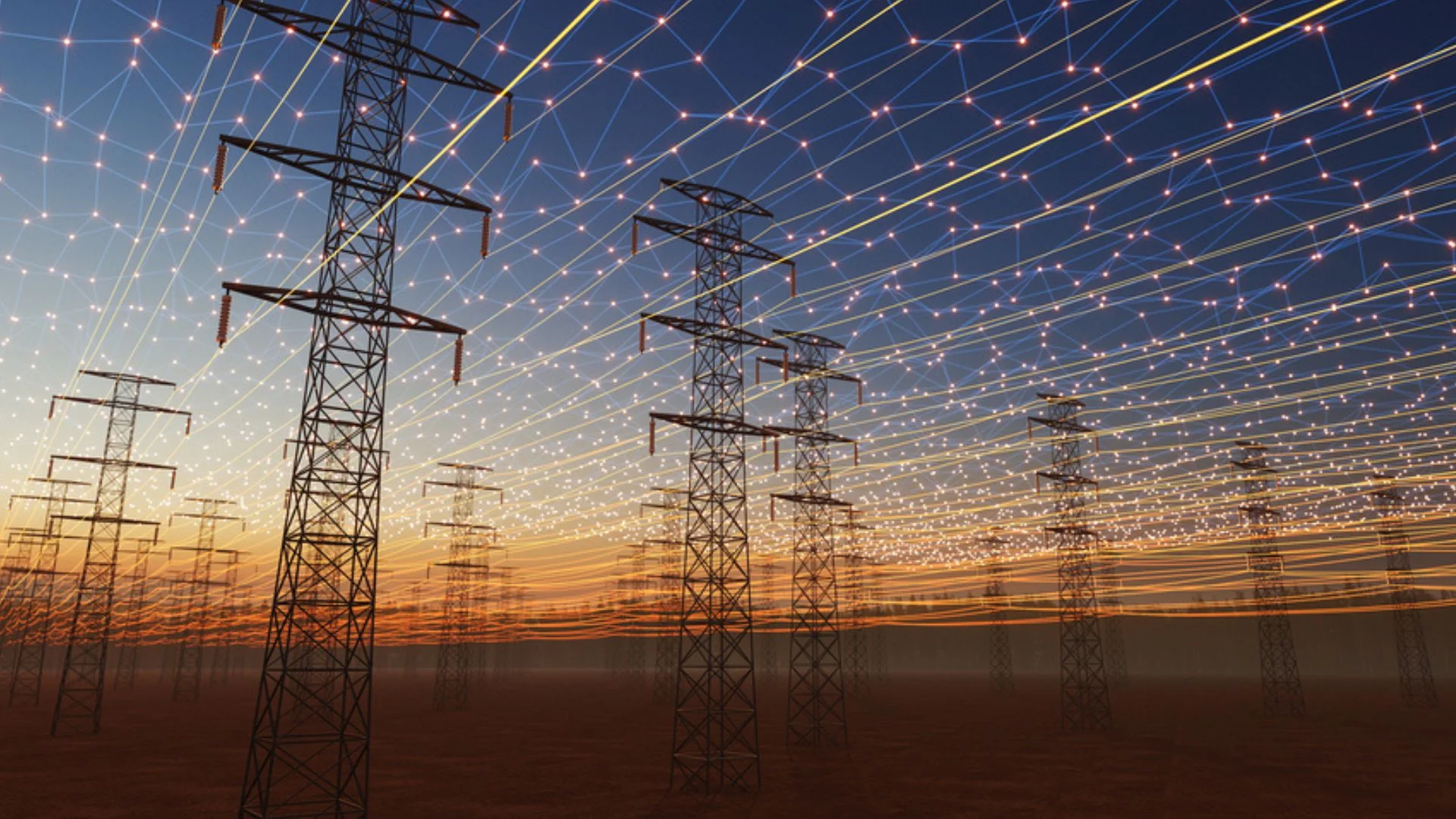
New research from the Massachusetts Institute of Technology (MIT) shows that the location of future renewable energy projects may be just as important as the amount of clean energy added to the grid.
The study found that planning energy infrastructure using future climate conditions instead of historical weather data can significantly reduce blackout risks while keeping costs nearly unchanged. Researchers say this approach can help power systems remain reliable as climate patterns shift and electricity demand continues to rise.
The findings were published in Nature Energy by a team of MIT researchers led by Michael Howland, the Jeffrey Cheah Career Development Professor at MIT.
The research combines detailed weather simulations with advanced energy system modeling to evaluate how changing climate conditions may affect future electricity networks. The study focused on New England and Texas, two regions with very different climates and power systems.
Instead of looking only at how climate change affects individual power plants, the researchers examined the entire energy system. They analyzed how weather changes influence renewable electricity generation, energy demand, storage, and transmission networks simultaneously. This broader approach provided a more complete picture of future grid reliability.
The researchers found that energy systems designed using only historical climate information may experience energy shortfalls up to five times greater by 2050. Such shortages increase the likelihood of electricity disruptions and blackouts during periods of high demand. Designing future systems with climate-informed planning reduced these risks while requiring little or no additional investment.
Changing Energy Landscape
Electricity systems around the world are undergoing rapid transformation as renewable energy expands and electricity consumption grows. Rising demand from artificial intelligence, electric vehicles, and industrial electrification is placing additional pressure on power grids. At the same time, solar and wind energy have become increasingly affordable, making them attractive options for new electricity generation.
READ ALSO: Dead Coral Reef Off Benin Found Alive After Decades, Confirming Rare Deep-Sea Ecosystem
Renewable energy differs from traditional power plants because it depends on weather conditions. Solar panels generate electricity only when sunlight is available, while wind turbines require suitable wind speeds to operate efficiently. This makes balancing electricity supply and demand more challenging, especially during changing weather conditions.
Climate change adds another layer of complexity to this balancing process. Changes in temperature, wind patterns, cloud cover, and extreme weather events can affect both electricity generation and consumer demand. These combined effects make future energy planning more complicated than simply installing additional renewable capacity.
Researchers noted that many current planning decisions still rely heavily on historical weather records. While those records describe past conditions, they may not accurately represent weather patterns over the next several decades. Since wind farms and solar plants often operate for around 25 years, future climate conditions become important during project planning.
Better Planning Approach
Previous research often examined climate impacts on individual technologies such as wind or solar energy. Other studies evaluated large regions using global climate models that provide broad trends but limited local detail. According to the MIT team, these methods do not fully capture how local weather affects regional electricity systems.
To address this gap, the researchers developed a framework that combines high-resolution meteorological models with detailed energy infrastructure simulations. Fine-scale meteorology provides much more detailed local weather information than traditional global climate models. This allows planners to better understand how climate conditions may vary across specific regions.
READ ALSO: US Army MV-75 Cheyenne Gets RTX Systems That Redefine Long-Range Air Assault Missions
The team selected New England and Texas because they represent different climate zones and electricity networks. New England experiences colder winters and has different energy demands than Texas, which faces hotter temperatures and a separate electricity grid. Comparing both regions helped test whether climate-informed planning works across diverse conditions.
The researchers also considered weather-related equipment failures alongside changes in renewable energy production and electricity demand. Rather than studying each factor separately, they evaluated how multiple events occurring together affect grid performance. This approach reflects how real-world energy systems operate during extreme weather.
Their analysis looked ahead to 2050 because many renewable energy facilities being built today are expected to remain in service until then. The results showed that the best locations for future renewable projects differ from those identified using historical climate data. This means today’s planning decisions may influence electricity reliability decades into the future.
MIT Maps Smarter Grid Planning
The study found that climate change may increase energy shortages by as much as 500 percent if future renewable projects are placed without considering future weather conditions. These shortages mainly occur during extended periods when renewable electricity generation remains low while demand stays high. Transmission limitations also contribute to these supply challenges.
In New England, the research showed that strengthening electricity supply requires expanding solar generation closer to major population centers. Additional transmission infrastructure near areas with high electricity demand also improves overall system reliability. These investments help reduce disruptions caused by climate-related weather changes.
Texas presented a different set of challenges because transmission capacity played a larger role in maintaining reliable electricity supplies. Researchers found that future planning should prioritize additional wind farms in West Texas to better match changing demand patterns. The study assumes that renewable energy expansion continues throughout the region over the coming decades.
According to first author Liying Qiu, the findings show that the timing and location of renewable energy projects deserve as much attention as total generating capacity. Simply building more renewable facilities does not automatically guarantee a reliable electricity supply. Careful placement can improve system performance without major increases in spending.
The research also suggests that smarter planning provides better value than simply increasing investment. Rather than relying only on larger budgets, planners can strengthen electricity systems by making informed siting decisions based on future climate projections. This strategy improves resilience while keeping costs relatively stable.
READ ALSO: Rafael Unveils Combat-Tested Air Defence and Precision Strike Systems at Farnborough 2026
Future Grid Decisions
Senior author Michael Howland said renewable energy expansion creates an opportunity to address both climate mitigation and climate adaptation together.
He explained that incorporating future weather projections into planning allows power systems to remain reliable without requiring expensive protective infrastructure. The study found that adapting renewable energy plans to future climate conditions adds little extra cost.
Howland also noted that climate change has its greatest impact when different parts of the electricity system interact. Individual wind farms or solar plants may not experience dramatic changes on their own. However, the combined effects on renewable generation, electricity demand, storage, and transmission create larger challenges for overall grid reliability.
The researchers acknowledged that their current modeling framework requires significant computing resources. High-resolution climate simulations remain expensive and are not yet practical for routine use by grid operators. The team plans to develop faster versions that can support everyday planning and operational decisions.
The researchers believe stronger collaboration between climate scientists and power system experts will become increasingly important. They argue that reducing the gap between weather forecasting and electricity planning will help create more resilient energy systems. Better integration of these fields may also improve long-term investment decisions across the energy sector.
The findings arrive as governments and utilities continue investing heavily in renewable energy while modernizing electricity networks. Many countries have set ambitious clean energy targets alongside efforts to improve energy security and reduce greenhouse gas emissions. Reliable electricity systems will be essential to support growing demand from transportation, industry, digital technologies, and expanding artificial intelligence infrastructure.
The study suggests that future energy planning should focus not only on building more renewable capacity but also on selecting the right locations based on expected climate conditions. Smarter siting decisions may strengthen grid resilience, reduce blackout risks, and help ensure reliable electricity supplies for decades to come as the global energy transition continues.