Energy

US Solar Telescope Reveals Hidden Magnetic Activity on the Sun

Scientists using the Daniel K. Inouye Solar Telescope have captured the highest-resolution images of the Sun’s visible surface, revealing tiny magnetic whirlpools linked to Kelvin-Helmholtz instability. The discovery may explain how the Sun stores and releases energy, improving our understanding of solar flares, space weather, and the events that can affect satellites and power systems on Earth.

Read More...
Laboratory setup demonstrating green hydrogen production using industrial waste and carbon dioxide.

US Ohio State Creates Low-Cost Green Hydrogen From Industrial Waste

The Ohio State University has developed a new process that turns carbon dioxide, steel slag, and coal ash into green hydrogen and valuable calcite. The method reduces the energy needed for hydrogen production and could lower costs to less than $1 per kilogram. Researchers believe the technology could help reduce emissions while making clean hydrogen more affordable.

Read More...

Foundation’s Robotic Hand V2 Catches Baseball Without Relying on Vision

Foundation has introduced its Robotic Hand V2, a tendon-driven robotic hand capable of catching a baseball during a live demonstration. Led by Andrea Esposito, Head of Foundation’s Hand Division, the project combines lightweight mechanical design, software-based finger position estimation, and TMR sensors to improve robotic dexterity for future humanoid robots and industrial applications.

Read More...
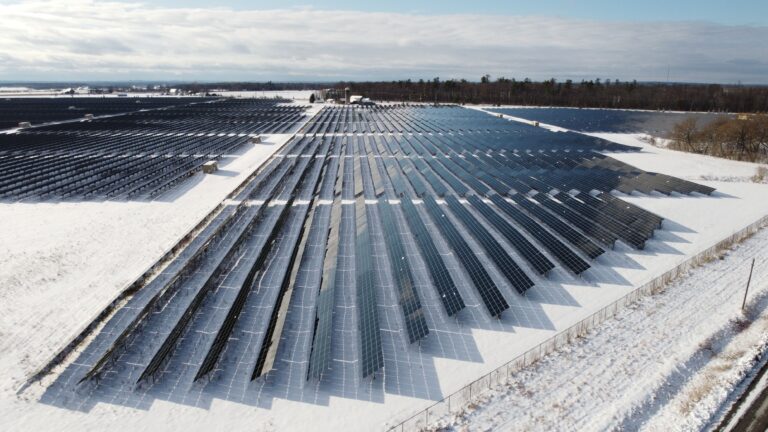
China's Qinling Antarctic research station with renewable energy equipment in a snowy Antarctic landscape.

China’s Qinling Antarctic Station Reaches Green Energy Milestone

China’s Qinling Station has reached a major clean energy milestone by supplying about 50% of its electricity from renewable energy during the Antarctic polar night. The station combines wind, solar, hydrogen, and battery storage to reduce diesel use and support more sustainable scientific research in Antarctica.

Read More...
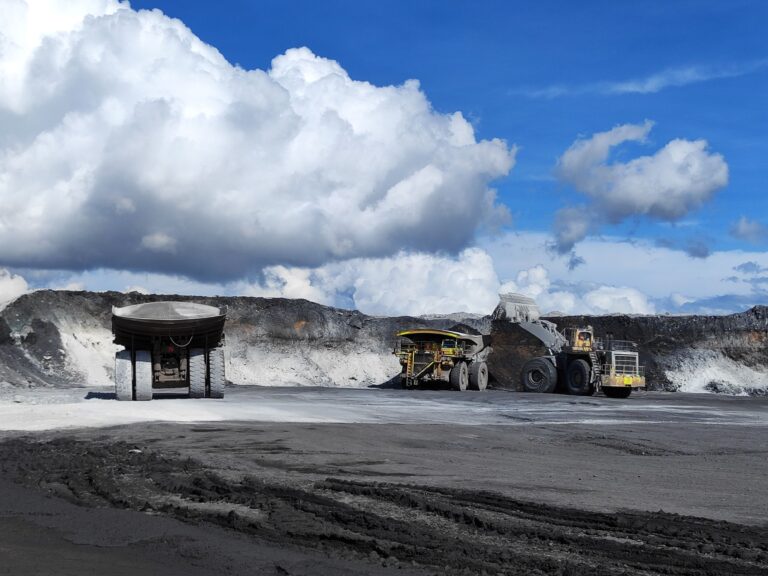
A large electric mining truck powered by a sodium-ion battery operating at a mining site in China

China Unveils First Sodium-Ion Electric Mining Truck

Hina Battery and Tonly Heavy Industry have delivered the world’s first sodium-ion electric mining truck in China. The truck features a 676 kWh battery, charges fully in 20–25 minutes, and is built for heavy mining work. Although its energy density is lower than lithium iron phosphate batteries, the project shows sodium-ion technology is moving closer to real-world commercial use.

Read More...

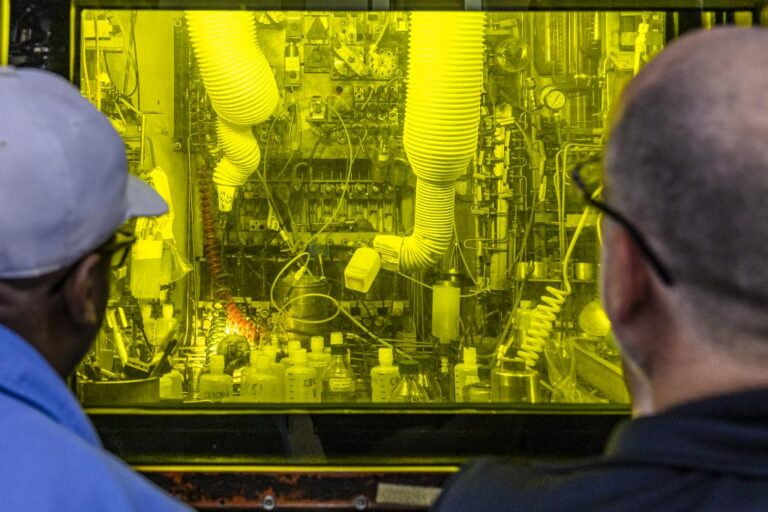
ORNL Steps Up Californium-252 Production to Address Rising Market Demand

Oak Ridge National Laboratory (ORNL) has introduced a faster process for producing californium-252, a rare isotope used to start nuclear reactors and support national security. The new method cuts production time by about one week while maintaining quality, helping ORNL prepare for rising demand as nuclear energy projects expand.

Read More...
A Lectric electric bicycle parked on a city street during daylight.

Lectric eBikes Crosses $1B Sales, 750K E-Bikes

Lectric eBikes has reached $1 billion in online sales and sold its 750,000th electric bicycle. The US company, founded by Levi Conlow and Robby Deziel, grew by focusing on affordable e-bikes and direct online sales. The milestone reflects the rapid growth of the electric bicycle market and Lectric’s position as one of its leading brands.

Read More...

China Plans Fully Renewable Power for Antarctic Research Stations by 2035

China plans to power all of its Antarctic research stations with renewable energy by 2035. Qinling Station, which opened in 2024, already meets more than 60% of its energy needs using solar, wind, hydrogen, and battery storage. The project aims to reduce diesel use while proving that clean energy can work in one of the world’s most extreme environments.

Read More...
Construction site of Canada's first BWRX-300 small modular nuclear reactor in Ontario.

Canada’s Next Nuclear Chapter Depends on Imported Fuel

Ontario Power Generation (OPG) has started building Canada’s first BWRX-300 small modular reactor at Darlington. While the project aims to provide reliable low-carbon electricity, it will rely on enriched uranium from the United States, France, and Britain. The move marks a major change from Canada’s traditional Candu reactors, which used domestically produced natural uranium.

Read More...

Support Our Journalism

Modern Mechanics 24 is independent. If you value our reporting, a contribution of any amount helps us keep going.

Secure payment by Razorpay. This is a voluntary contribution: it doesn't include a membership or access to premium articles.