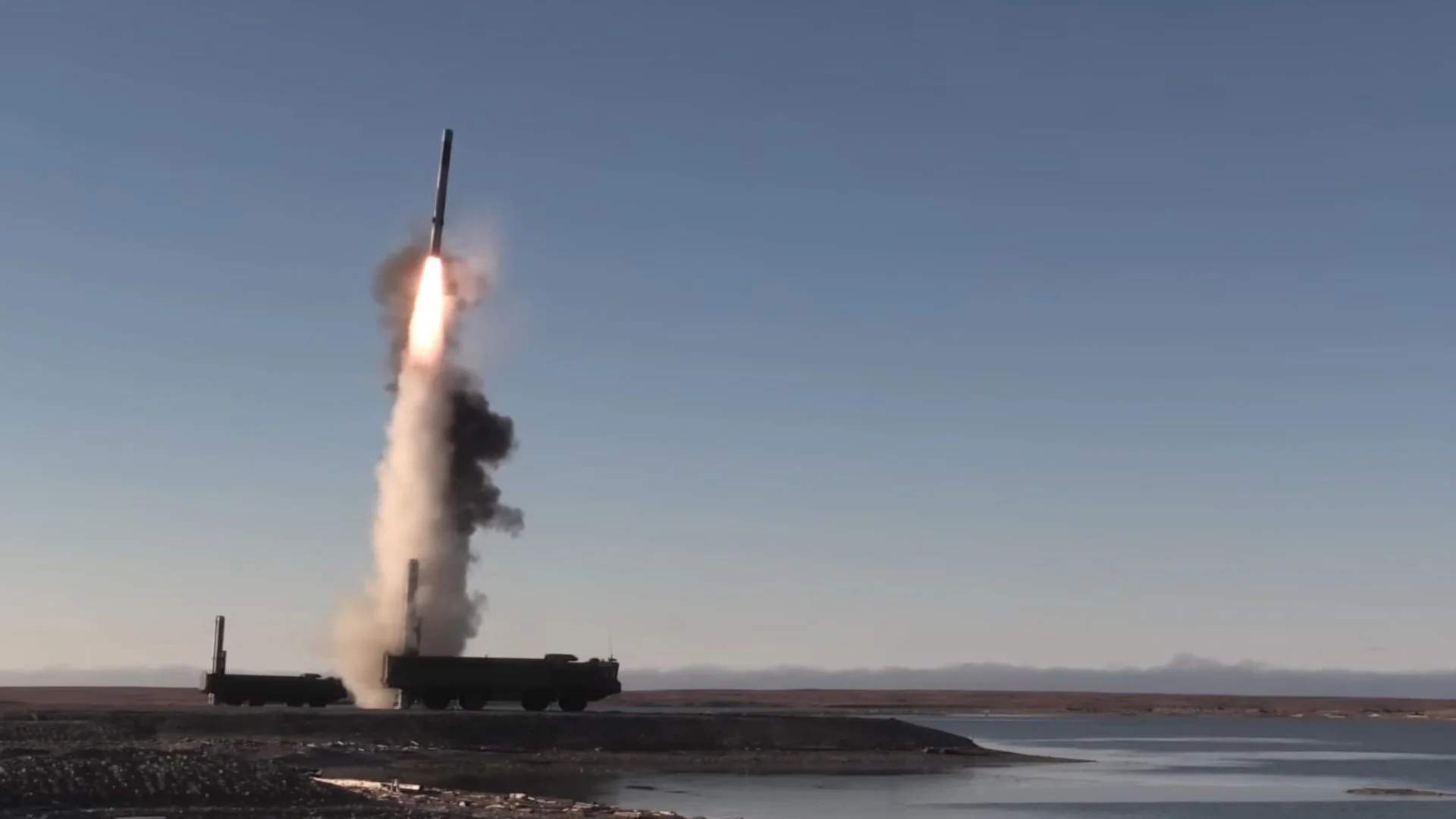
Russia recently conducted a naval denial exercise in the Arctic using its Bastion coastal defense system.
The drill took place on the remote Franz Josef Land archipelago. It demonstrated how Russia plans to disrupt naval operations in the region.
The exercise focused on stopping enemy ships before they could enter key Arctic waters. Russian forces practiced launching strikes against a naval group at a long distance. This shows a clear intent to challenge NATO activity in the High North.
Russian state media confirmed the drill on April 28, 2026. The report came from TASS, which described the mission in detail. It said the Northern Fleet carried out the operation in the Arctic Ocean.
READ ALSO: U.S. Space Force Receives Second Missile Warning Sensor from Raytheon
The scenario involved Bastion missile units moving quickly from their base to a launch position. Crews received orders to engage enemy ships in a simulated battle. This movement highlights Russia’s focus on mobility rather than fixed defenses.
The Bastion system uses the P-800 Oniks anti-ship missile. Russia calls this missile hypersonic, but many experts classify it as high-supersonic. Even so, it remains a serious threat to modern naval forces.
During the drill, crews simulated a strike against a target about 300 kilometers away. The target represented an enemy naval group operating in the Arctic. This type of target closely matches NATO task forces.
The exercise demonstrated Russia’s intent to control access to Arctic waters. Using mobile missile systems allows them to strike ships before they get close. This creates a strong anti-access and area-denial zone.
WATCH ALSO: This Microsoft AI Could Change Cancer Treatment Forever
Franz Josef Land plays a key role in this strategy. The location allows Russia to extend its military reach deep into the Arctic Ocean. It also supports a wider network of sensors and defense systems.
Russia is building a layered defense system in the region. This includes radars, air defenses, ships, aircraft, and electronic warfare tools. Together, they form a strong shield over northern sea routes.
This strategy also supports Russia’s bastion defense concept. The goal is to protect nuclear submarines based near the Kola Peninsula. These submarines are a critical part of Russia’s nuclear deterrent.
The drill also included camouflage and counter-drone operations. This reflects lessons learned from recent conflicts. Modern warfare now relies heavily on drones and real-time surveillance.
Russia is adapting its tactics to reduce detection. Mobile launchers can hide, move quickly, and strike without warning. This makes them harder to track and destroy.
For NATO, this creates new challenges in the Arctic. The alliance must improve surveillance and early warning systems. It also needs strong air and missile defenses in the region.
The High North is becoming more important for global security. Melting ice is opening new sea routes and increasing competition. Military activity is rising as countries try to secure their interests.
READ ALSO: Lockheed Martin Wins U.S. Space Force Contract for Space-Based Interceptor Program
NATO has strengthened its position with new members in the north. Finland and Sweden have joined the alliance, adding strategic depth. This improves NATO’s ability to respond in the Arctic.
Despite this, Russia’s actions show it is ready to defend its territory aggressively. The Bastion system is a key part of that plan. It allows Russia to control large areas of the sea from land.
The exercise was not just routine training. It was a clear signal of Russia’s military intent. It shows how Moscow plans to deny access to rival forces.
NATO sees the Arctic as a critical area for future operations. It must ensure freedom of navigation and secure supply routes. This requires strong coordination between allied forces.
The alliance relies on teamwork and shared command systems. It can bring together forces from North America and Europe. This gives NATO an advantage in large-scale operations.
WATCH ALSO: From Ice to Innovation: US Coast Guard Deploys Drones in Antarctic Mission
Russia’s drill highlights the growing competition in the Arctic. Both sides are preparing for possible conflict scenarios. This increases the risk of tension in the region.
The High North is no longer a quiet zone. It is becoming a key theater for military strategy. Control of this region will shape future security dynamics.
Russia’s Bastion exercise shows how quickly the situation is evolving. It combines mobility, firepower, and modern tactics. This makes it a serious challenge for NATO planners.
In response, NATO is focusing on readiness and resilience. It aims to maintain a strong presence in the Arctic. This includes better surveillance, faster response, and stronger defenses.
The balance of power in the Arctic is shifting. Both Russia and NATO are increasing their capabilities. This makes the region more important than ever.
Russia’s latest drill sends a clear message. It is prepared to defend its northern approaches with force. The Arctic is now a frontline in global security.