Lockheed Martin has been selected by the U.S. Space Force’s Space Systems Command to develop critical capabilities for the Space-Based Interceptor (SBI) program. This development marks a significant step toward strengthening the United States’ homeland defense through a more advanced, layered missile defense architecture. The agreement reflects growing efforts to counter increasingly complex and emerging missile threats.
Building a Layered Defense System
The SBI program is designed to enhance the nation’s ability to detect and intercept threats at earlier stages. By adding a space-based layer to existing defense systems, it will expand coverage and improve the overall resilience of missile defense operations. This layered approach ensures that threats can be addressed across multiple domains, increasing the likelihood of successful interception.
The addition of an early engagement layer is especially important. It allows defense systems to respond sooner, reducing risk and improving protection for critical infrastructure and population centers. This capability is expected to play a key role in addressing next-generation missile challenges, including hypersonic weapons.
Accelerating Development and Integration
Lockheed Martin’s work on the SBI program will focus on accelerating development, testing, and integration of these advanced capabilities. The goal is to quickly move from concept to operational readiness while maintaining high performance and reliability standards.
READ ALSO: https://modernmechanics24.com/post/rek-robot-fight-hub-bots-battle-buy/
This effort aligns with broader defense priorities to rapidly deploy cutting-edge technologies. By streamlining testing and integration processes, the program aims to deliver a fully functional system that can seamlessly work with existing missile defense networks.
Leveraging Proven Technologies
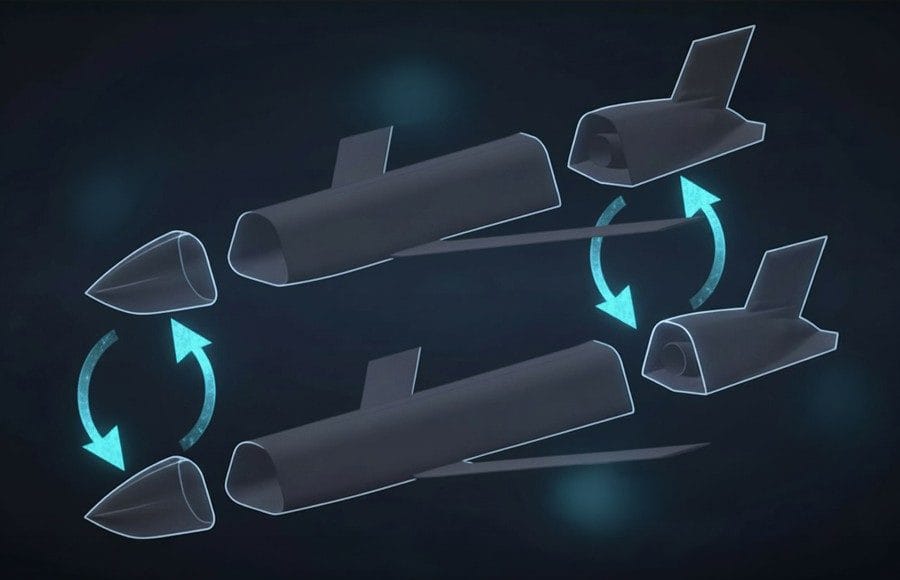
A major strength of Lockheed Martin’s approach lies in its use of proven technologies. The SBI system builds upon the company’s experience with established interceptor systems such as THAAD and PAC-3. It also integrates advancements from the Next Generation Interceptor program, hypersonic strike capabilities, and sophisticated missile warning and tracking systems.
By combining these technologies, the SBI program creates a more comprehensive and adaptable defense solution. This integration ensures that the system can respond effectively to a wide range of threats, from traditional ballistic missiles to advanced hypersonic weapons.
Strengthening National Security
The development of space-based interceptors represents a shift toward more proactive defense strategies. Instead of relying solely on ground-based systems, the inclusion of space-based capabilities provides a broader perspective and faster response times.
This multi-domain defense shield is designed to protect not only the homeland but also vital infrastructure. As threats continue to evolve, having a flexible and layered defense system becomes increasingly critical for maintaining national security.
WATCH ALSO: https://modernmechanics24.com/post/us-coast-guard-antarctica-ice-mission/
Vision for the Future
According to Robert Lightfoot, President of Lockheed Martin Space, the company is already making significant progress in next-generation integrated air and missile defense. He emphasized that ongoing investments in technology and infrastructure, combined with collaboration across the industrial base, are key to accelerating development.
Lockheed Martin aims to deliver an integrated demonstration of the SBI system by 2028. This milestone will showcase the system’s capabilities and its role in the future of missile defense.