Deployable Energy has been selected for the Nuclear Energy Launch Pad program run by the US Department of Energy.
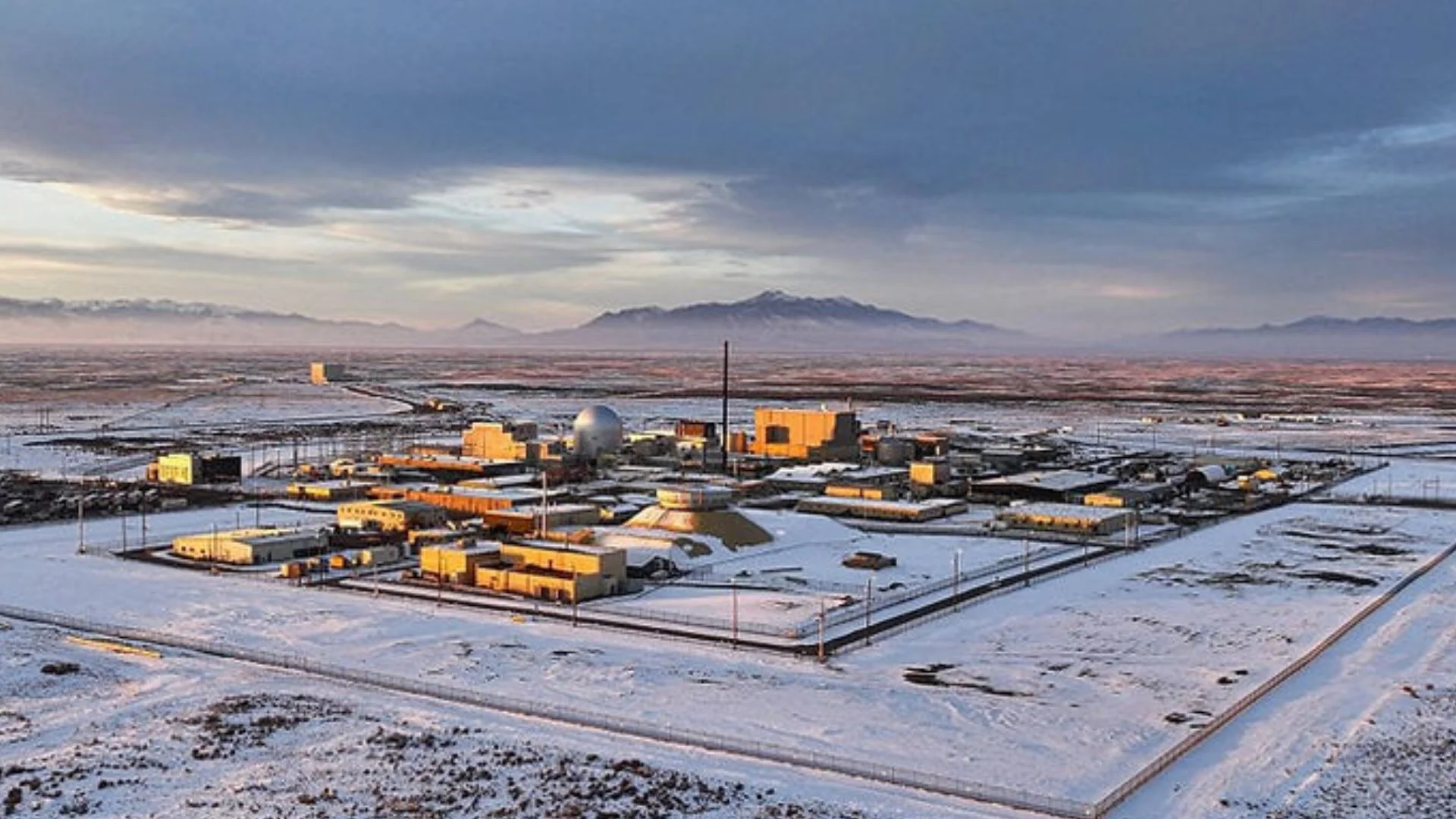
The program is led by the National Reactor Innovation Center to accelerate the development of advanced nuclear technologies. The company will now move ahead with plans to demonstrate its reactor later this summer.
The selection follows a competitive review under the DOE’s Reactor Pilot Program. With approval secured, the company aims to achieve reactor criticality on or before July 4, 2026. This milestone marks a key phase in proving the system’s real-world performance.
READ ALSO: Skydio’s $3.5 Billion, 5-Year Push Signals a New Phase in US Drone Power
The Launch Pad program gives companies access to national laboratory tools and expert support. It also provides testing facilities needed to turn new reactor ideas into working systems. The initiative is part of DOE’s broader effort to partner with industry and speed up clean energy deployment.
“We are honored to join the Nuclear Energy Launch Pad program,” said Bobby Gallagher. He said the selection highlights the strength of the Unity nuclear battery and the rising demand for deployable nuclear power. He added that the program helps push forward portable energy systems that can deliver reliable power anywhere.
“The program helps developers use national lab capabilities and move closer to deployment,” said Rian Bahran. He said the DOE will support testing and analysis of the reactor technology. He added that this work will help future licensing and commercialization efforts.
WATCH ALSO: This robotic system to pick strawberries automates tough tasks
The Unity reactor is a compact system designed for flexible energy use. It aims to provide steady, low-cost power for data centers, ships, and defense applications. The design focuses on portability and reliability in areas where traditional power is limited.
The National Reactor Innovation Center plays a central role in this effort. It was created by the DOE to bridge the gap between new reactor ideas and commercial use. The center supports testing, validation, and partnerships between government and private companies.