BlackSea Technologies recently joined NATO’s Arctic Sentry 2026 activity in Ramsund, Norway.
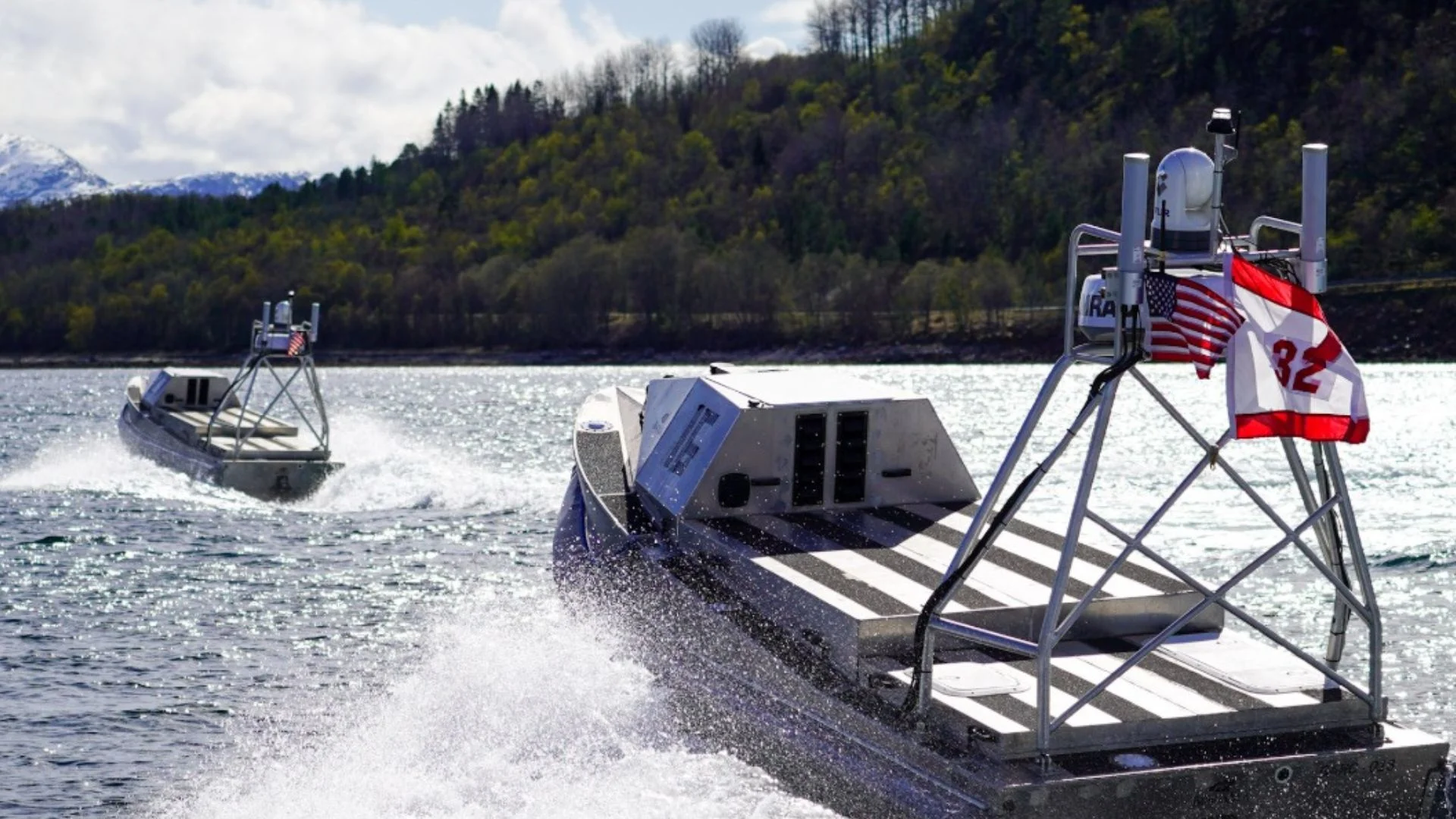
The company deployed its Global Autonomous Reconnaissance Craft(GARC) during the multinational exercise. The operations focused on testing unmanned maritime systems in harsh Arctic conditions.
NATO launched Arctic Sentry earlier this year to strengthen military readiness in the Arctic and High North. The exercise combines naval, air, and land capabilities under a shared operational plan.
NATO sees the Arctic as a growing strategic region because of increased military activity and competition in northern waters.
The GARC vessel worked with the US Sixth Fleet, US Unmanned Surface Vessel Squadron 3, and the Royal Norwegian Navy during the exercise.
The tests took place near Ramsund and Breivika Bay in northern Norway. The operations allowed allied forces to examine how autonomous vessels perform in real maritime missions.
BlackSea said the unmanned platform successfully handled freezing temperatures and rough sea conditions. Engineers designed the vessel with a durable hull that can operate in difficult climates. The system also uses modular payloads, allowing operators to adapt the vessel for different mission types.
The GARC vessel uses artificial intelligence for navigation and mission planning. This allows the craft to travel, monitor targets, and respond to changing conditions without requiring constant human control. The technology improves operational flexibility while reducing risks for sailors and crew members.
Autonomous surface vessels are becoming valuable for intelligence, surveillance, and reconnaissance missions. These unmanned systems can patrol large areas for long periods while gathering data in dangerous environments. Naval forces also use them to support sea control and maritime security operations.
Unlike traditional warships, smaller unmanned vessels are cheaper to operate and easier to deploy in large numbers. Military planners see them as useful tools in distributed maritime operations. This concept spreads naval assets across wider areas to improve survivability and reduce vulnerabilities.
BlackSea officials said Arctic Sentry provided an important opportunity to test interoperability with allied forces. Interoperability means that military systems from different countries can communicate and operate effectively together. Exercises like this help NATO members improve coordination during real-world operations.
WATCH ALSO: China commissions world’s largest 80,000-ton aircraft carrier that has electromagnetic catapults
Lunsford Schock, mission director at BlackSea Technologies, said the Arctic exercise showed the vessel’s ability to operate in contested maritime environments.
He added that the event strengthened partnerships with European allies. He also said the company remains focused on providing scalable, intelligent maritime systems to allied navies.
NATO Expands Arctic Security Focus
The Arctic region has become increasingly important for global military strategy in recent years. Melting sea ice is opening new shipping routes and increasing access to natural resources. This has led several countries to expand their military presence in the High North.
NATO has responded by increasing exercises and deployments across Arctic territories. Joint Force Command Norfolk directed Arctic Sentry 2026, while Allied Command Operations provided overall strategic guidance. The exercise aimed to improve coordination between allied forces operating in cold-weather environments.
The US Navy also released official imagery showing a GARC vessel operating with Commander Task Force 66 during the exercise. The footage showed the unmanned craft maintaining stability in Arctic waters near Norway. Navy officials described the tests as important for strengthening security operations in the region.
READ ALSO: UK Invests £10 Million in Apache Drone Wingman Program With Top Defence Firms
Military experts believe autonomous systems will play a larger role in future naval operations. Swarms of smaller unmanned vessels can perform surveillance missions without exposing larger ships to threats. These systems also support faster decision-making by collecting and sharing real-time information.
Arctic Sentry 2026 showed how autonomous maritime technology is moving from testing phases into practical military operations. The exercise also demonstrated growing cooperation between NATO allies in developing next-generation naval capabilities.