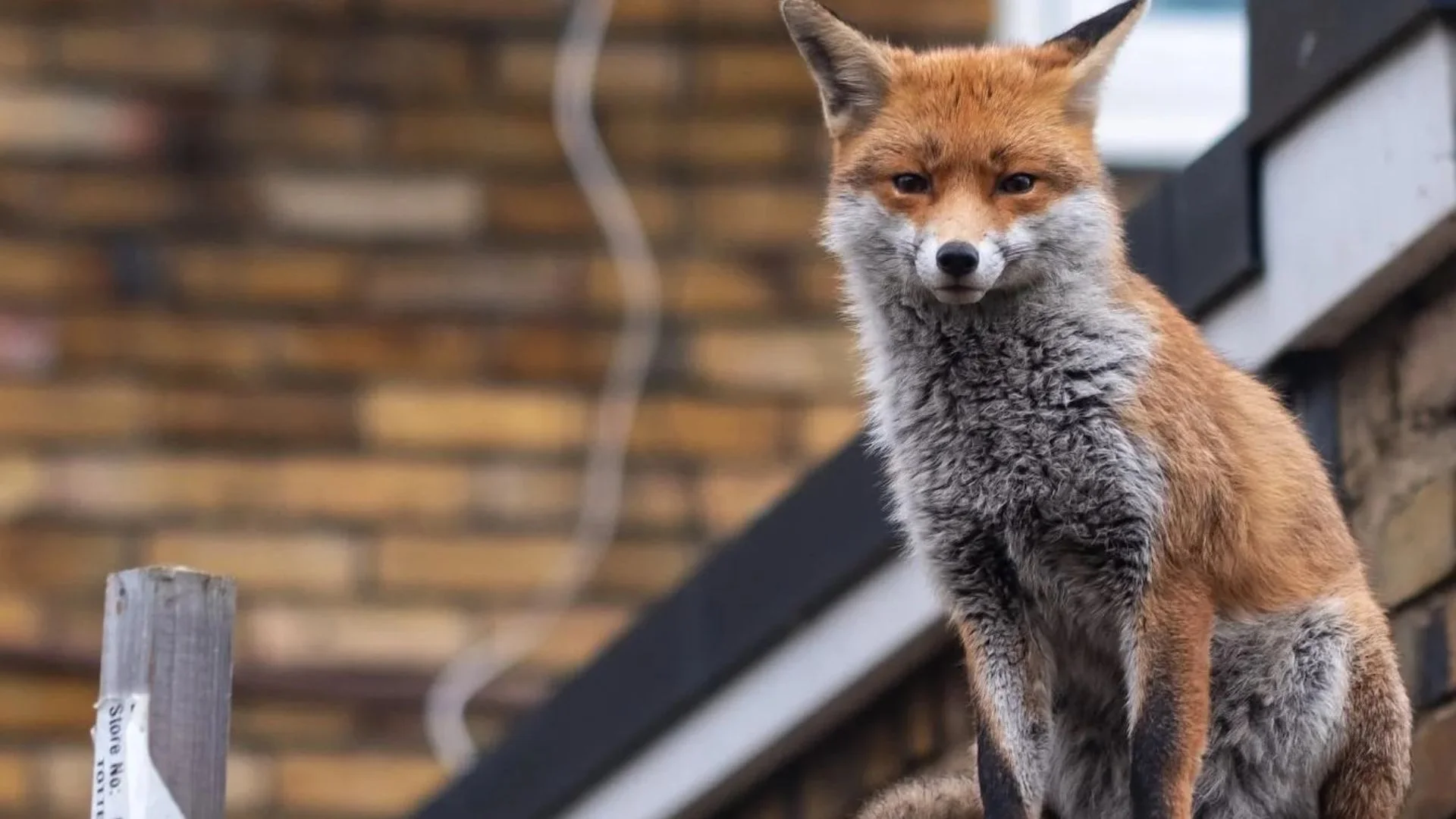
Animals living in urban areas are becoming more aggressive and risk-taking than their counterparts in the countryside.
Researchers analyzed data from 80 earlier studies covering 133 species across 28 countries. The study included birds, mammals, reptiles, amphibians, and insects.
The research was published in the Journal of Animal Ecology. Scientists from Lewis & Clark College, CNRS, and North Dakota State University worked together on the project. They described it as the first large-scale global review of urban animal behavior.
Researchers found that animals in cities showed higher levels of boldness, exploration, activity, and aggression. These traits appeared repeatedly across many species and regions. Birds showed the strongest and clearest behavioral shifts in the analysis.
Dr. Tracy Burkhard said urbanization is changing animal behavior in predictable ways worldwide. She explained that urban wildlife is becoming more willing to take risks. Animals are also showing less fear of people and human activity.
READ ALSO: General Atomics Advances Artillery Modernization with Successful LRMP Testing
Cities expose animals to constant noise, traffic, lights, buildings, and human movement. Over time, some species adapt by becoming less cautious in crowded environments. This helps them survive in areas where food and shelter are closely linked to human activity.
Human-Wildlife Animals Contact Rising in Cities
Researchers warned that these behavior changes can increase contact between humans and wildlife. Animals that fear humans less are more likely to enter neighborhoods, parks, roads, and public spaces. This increases the chances of conflict, injury, and disease transmission.
The study highlighted concerns about zoonotic diseases, which are illnesses that spread between animals and humans. Closer interaction between wildlife and people can raise health risks in dense urban environments. Scientists said this issue deserves more attention as cities continue to expand globally.
READ ALSO: Yonsei University Astronomers Challenge 27-Year-Old Theory of Universe’s Accelerating Expansion
The changes are not limited to familiar city species like pigeons, gulls, or rats. Researchers also observed similar patterns in species typically associated with rural habitats. Birds such as whitethroats, yellowhammers, and redpolls are also adapting to urban living conditions.
Scientists believe these shifts show how strongly urban environments influence wildlife behavior. Some animals adapt quickly to survive around people, while others struggle to cope with habitat loss. This creates major differences in how species respond to city growth.
Urban environments also affect food availability and the presence of predators. Animals in cities often find easier food sources through waste, gardens, and public feeding. At the same time, natural predators are usually fewer in heavily populated areas.
WATCH ALSO: United Launch Alliance’s Atlas V rocket delivers success for Amazon Leo
Researchers Call for Better Urban Planning
The researchers said city planning should consider wildlife behavior more seriously. They recommended creating connected green spaces to help animals move safely between habitats. Green corridors can also support healthier breeding and gene flow among urban populations.
The study revealed large gaps in scientific research on urban wildlife. More than 70 percent of the analyzed studies focused only on birds. Insects, reptiles, and amphibians together represented just 10 percent of the available data.
READ ALSO: China Sets World Record with Ultra-Strong Magnetic Field 700,000 Times Earth’s Strength
Dr. Anne Charmantier said many animal groups remain understudied in urban environments. She noted that scientists still know far less about reptiles, amphibians, and insects living in cities. Researchers hope the findings encourage broader studies across more species.
Urbanization continues to grow rapidly worldwide. As cities expand into natural habitats, interactions between people and wildlife are becoming more common. Scientists say understanding animal behavior will become important for conservation, public safety, and sustainable urban development in the years ahead.