Scientists Build Lab ‘Mini-Universe’ That Measures Time Without Using a Clock
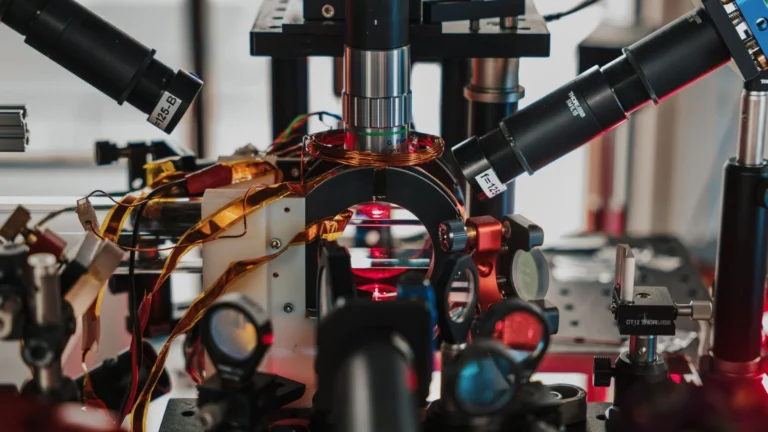
Scientists have created a laboratory-made ‘mini-universe’ that measures the flow of time without relying on a clock. A physicist at

Scientists have created a laboratory-made ‘mini-universe’ that measures the flow of time without relying on a clock. A physicist at

Micron Technology has chosen Bechtel to support the first phase of construction at its semiconductor manufacturing campus in Clay, New
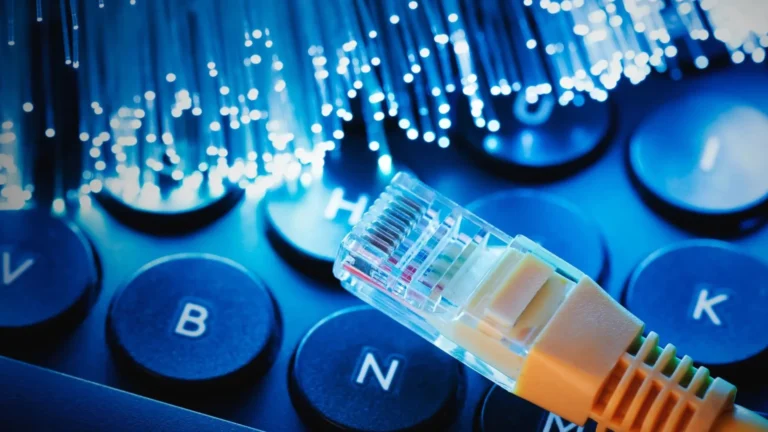
China has officially activated the world’s first commercial 3-band optical fibre communication system in Qingdao, creating a new way to
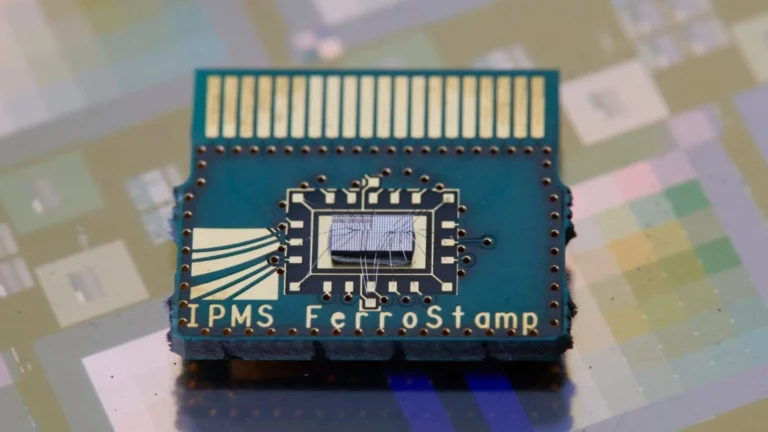
Researchers from the Fraunhofer Institute for Photonic Microsystems (Fraunhofer IPMS) and semiconductor manufacturer GlobalFoundries have developed a new memory technology
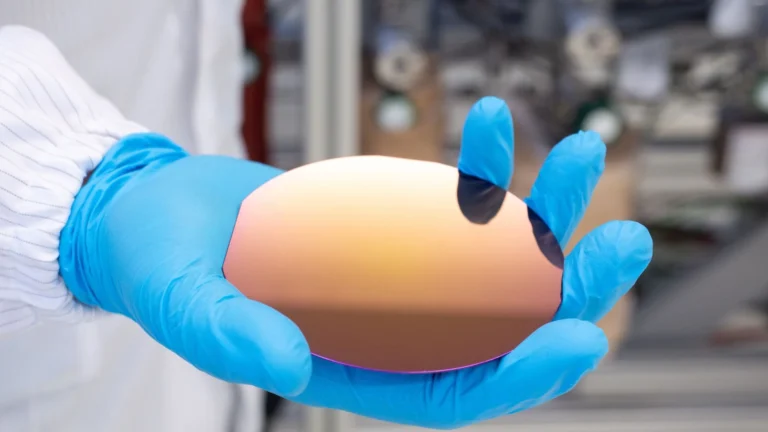
Swiss Cluster, a technology startup originating from the Swiss research institute Empa, has received the 2026 Swiss Economic Award in

Researchers at ETH Zurich have developed protein beads made from dairy and tofu processing waste that can directly remove carbon

Researchers from the Johns Hopkins Applied Physics Laboratory (APL) and Johns Hopkins University have developed a new framework for modeling
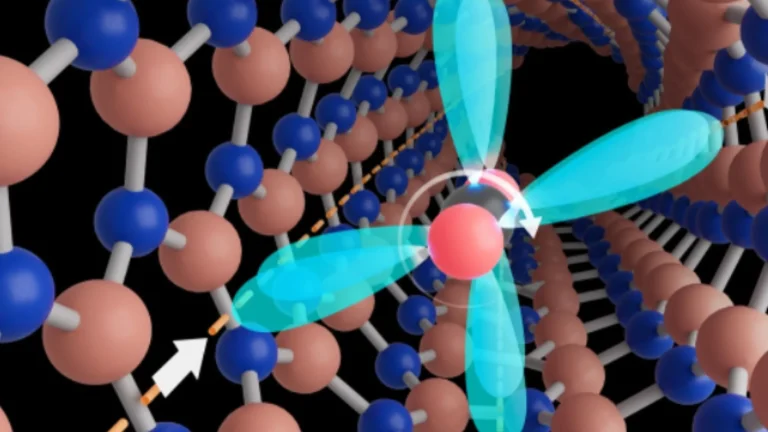
Researchers have identified a new way to improve carbon dioxide separation using chiral boron nitride nanotubes. The study shows that
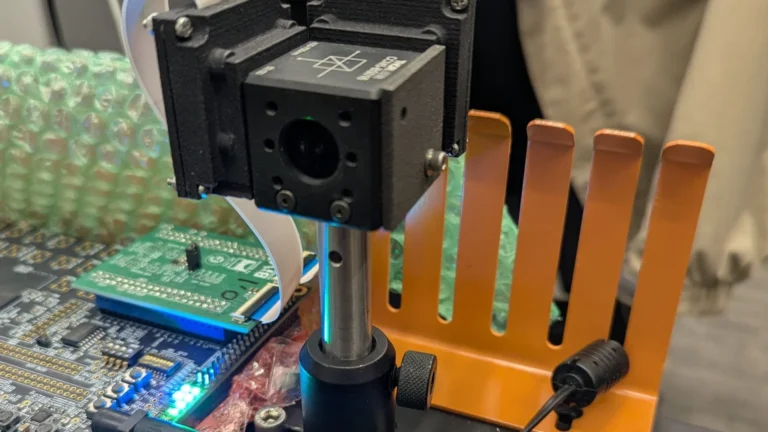
Researchers at Northwestern University have unveiled a new 3D camera inspired by the unique vision system of jumping spiders. The
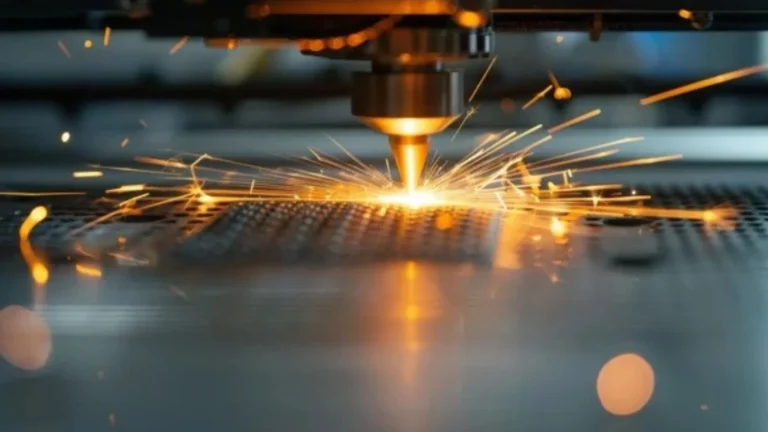
Researchers at the National Institute of Standards and Technology (NIST) have developed a new method that improves how metals are