Researchers in Europe have taken an important step toward reducing the use of fossil-based packaging materials.
A team working under the COCOBIN project has successfully produced up to 1,500 meters of a bio-based paper coating made from suberin, a natural material found in birch bark.
The development moves the technology beyond laboratory testing and closer to real-world use in food packaging and other industrial applications. The project is coordinated by the University of Oulu and focuses on developing sustainable alternatives to conventional packaging materials.
Scientists are exploring ways to replace fossil-based coatings that are commonly used in paper and paperboard products. The latest pilot-scale production shows that the concept can work under manufacturing conditions similar to those used by industry.
Bio-Based Coating for Food Packaging
Suberin is a natural protective material found in plants. It helps trees and other plants retain moisture and protects them from environmental damage. Researchers believe these same properties can be useful in packaging applications.
One of the main targets for the technology is food packaging. Packaging materials often require special coatings to prevent moisture from passing through the surface and affecting the product inside. A reliable moisture barrier helps extend product quality and improve packaging performance.
READ ALSO: Holtec International’s SMR-300 Chosen for Utah’s Green River Advanced Nuclear Project
Professor Henrikki Liimatainen from the University of Oulu said the material can be applied to fiber-based packaging products such as paper and paperboard. He explained that it can also be used in other products that require durable, functional surface protection. This expands the potential use of the coating beyond food packaging alone.
Researchers say current moisture-barrier coatings are often made from fossil-based materials. These coatings can create recycling challenges when attached to paper-based packaging. A bio-based alternative could help improve sustainability while maintaining similar performance.
Rajesh Koppolu, Senior Scientist at VTT, said suberin-based coatings can serve as an effective water vapor barrier in food packaging. He noted that the new material offers a renewable alternative to conventional coatings. The goal is to provide comparable functionality while supporting easier recycling and reduced dependence on fossil resources.
From Birch Bark to Industrial Testing
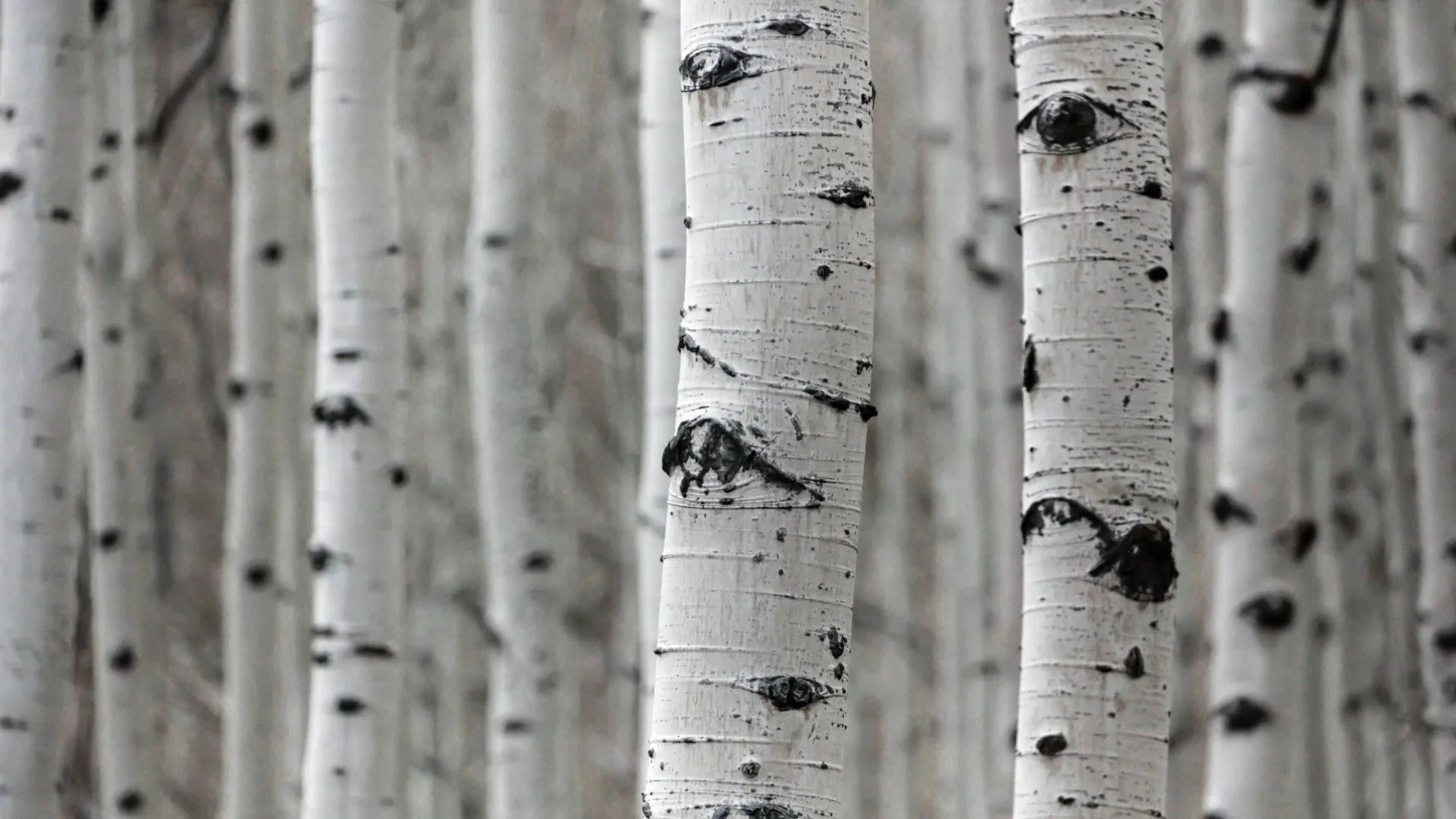
The development process began with the extraction of suberin from birch outer bark. This part of the tree has traditionally been used mainly for energy production. Researchers are now exploring higher-value applications for this forest industry side stream.
After extraction, the suberin was collected as a moist material. It was then dried and processed into a fine powder. The powder form made it easier to create a consistent coating mixture.
Scientists developed a water-based formulation in which suberin particles are evenly distributed throughout the liquid. Additional ingredients were added to improve coating performance and ensure uniform coverage across paper surfaces. The final formulation represents about 1.5 years of research and development.
The coating was produced using semi-pilot-scale equipment. These systems are smaller than full industrial production lines but closely resemble commercial manufacturing processes. This allowed researchers to evaluate how the material performs outside laboratory conditions.
READ ALSO: US Army Artillery Race Heats Up as Elbit America and Anduril Back SIGMA Howitzer
Successful Production Runs Show Industry Potential
The coating was tested on two different wood-fiber paper substrates supplied by UPM and Metsä Board. Researchers carried out several production runs during the testing phase. Each run generated hundreds of meters of coated material.
In total, the project produced between 1,200 and 1,500 meters of coated paper. The trials demonstrated that the material can be processed in a manner similar to conventional industrial coatings. This is an important requirement for future commercial adoption.
The coated materials are now undergoing further analysis. Researchers are examining their barrier properties, durability, and overall performance across different applications. These results will help determine the next stages of development.
The project also highlights new opportunities for the forest-based industry. By creating valuable products from birch bark, companies can better use existing raw materials and byproducts. This supports broader efforts to build a circular bioeconomy and reduce waste.
WATCH ALSO: A Tesla car’s software systems have shown ultra-fast decision making during a ride
Researchers aim to refine the technology and prepare it for larger-scale production. The successful pilot runs show that natural materials from forests can play a growing role in the future of sustainable packaging and help reduce reliance on fossil-based coatings.