The US Navy has officially designated its Directed Energy Systems Integration Laboratory as the primary training center for ODIN laser weapon systems.
The facility is operated by the US Navy at Naval Base Ventura County Point Mugu in California. Sailors completed the first training course in late March.
The new schoolhouse is managed by the Naval Surface Warfare Center Port Hueneme Division (NSWC PHD).
The center already supports testing, maintenance, and development for Navy-directed energy systems. Officials say its staff and facilities make it the best location for laser weapon instruction.
The Navy recently approved the facility as the official training site for ODIN operations. Seven ODIN systems are currently deployed on Navy ships. Another unit is being used at the training center itself.
READ ALSO: B-21 Raider Reveals Hidden Design In First Overhead Image During Secret Trials
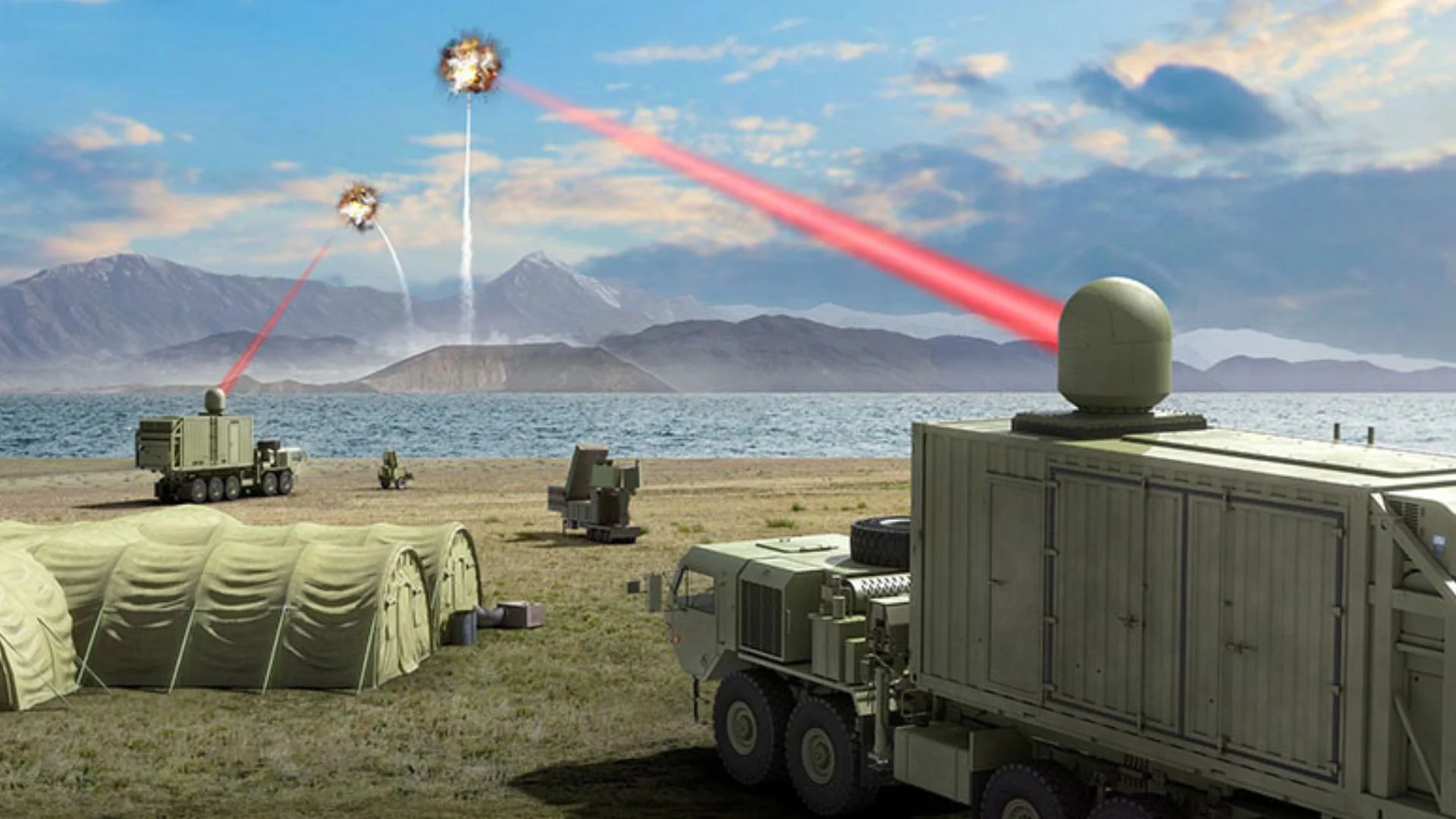
ODIN is designed to counter drones by using a laser to disrupt or blind enemy sensors. Instead of destroying targets with missiles or guns, the system uses concentrated light energy. This gives ships a lower-cost option for dealing with unmanned aerial threats.
The system also provides advanced surveillance capabilities for naval crews. Operators can use high-powered cameras and telescopes to monitor distant targets in greater detail. Navy officials say those features improve both defense and situational awareness during operations.
Directed-energy weapons have become increasingly important to modern navies. Drones are now widely used in conflicts around the world, including in the Middle East and the Red Sea region. Laser systems offer a faster, cheaper way to respond to threats than traditional interceptors.
ODIN Trains Laser Specialists
The new training program introduces a dedicated Laser Weapon System Operator qualification for sailors. The Navy officially approved the new Navy Enlisted Classification(NEC), on February 4. Sailors who complete the courses will receive this specialization.
The NEC is available for sailors in the fire controlman rating. These sailors already operate weapons such as missile launchers and close-in defense systems. Navy officials said laser weapons require different technical knowledge and maintenance skills.
The training program includes two separate five-day courses. One course focuses on operating the ODIN system during missions. The second course teaches sailors how to maintain and repair the equipment.
Students will receive classroom lessons and hands-on practice with a live ODIN unit. Sailors will learn how to track targets, lock onto objects, and fire the laser safely. Instructors will also teach crews how to manage alerts and system controls during operations.
Tracking targets with laser systems can be difficult for new operators. Distant drones often appear as tiny points on a screen. Navy trainers say realistic practice sessions will help sailors improve their accuracy and response times.
WATCH ALSO: World’s first motorbike backflip between two moving trucks successfully completed
The maintenance course focuses on preventive inspections and troubleshooting procedures. Sailors will learn how to use technical manuals and maintenance cards for the system. They will also practice repair tasks directly on the ODIN equipment.
The Navy plans to shift much of the teaching work to military instructors over time. Officials believe sailors with operational experience can provide practical and cost-effective training. This approach is also expected to reduce reliance on civilian personnel.
The Directed Energy Systems Integration Laboratory sits along the California coast near the Point Mugu Sea Range. The location gives the Navy access to sea, air, and land targets for testing and training. Officials say it is currently the Navy’s only maritime directed energy testing facility.
The Navy also plans to expand the training beyond ODIN. Sailors from USS Preble (DDG-88) are expected to attend future courses. The ship carries another laser-based weapon system known as HELIOS.
HELIOS stands for High Energy Laser with Integrated Optical Dazzler and Surveillance system. Like ODIN, it combines laser technology with advanced sensors and tracking systems. Both systems also use the same Laser Weapon System Console interface.
Because of those similarities, Navy officials say sailors can apply many of the same skills across different laser platforms. The courses, therefore, serve as broader directed-energy education rather than training for a single system. This helps prepare crews for future systems now under development.
Regional maintenance centers and inspection teams are also joining the courses. The Navy wants shore-based support crews to better understand laser systems before more units enter service. This could reduce repair delays and improve fleet readiness.
The training center will continue receiving ODIN systems from ships entering long maintenance periods. One current training unit came from USS Kidd (DDG-100) while the ship underwent upgrades in Washington state. Officials expect a steady supply of training systems over the next decade.
The Navy says directed energy programs have evolved significantly over the last several years. Early projects were mainly experimental and focused on research. Laser systems are becoming operational tools used in real-world naval missions.
READ ALSO: Room-Temperature Multiferroic Shows Leap in Magnetism, Signals Low-Energy Computing Future
Military planners see directed energy weapons as an important part of future naval combat. Lasers can engage drones and small threats without using expensive missiles. They also reduce the need to carry large amounts of traditional ammunition onboard ships.
The Navy’s new schoolhouse reflects a larger shift toward advanced technologies in maritime warfare. The demand for trained operators and technicians is expected to grow quickly. The program at Point Mugu will eventually become the foundation for directed energy training across the wider US military.