NASA-backed research into lunar habitats is now helping reshape the future of construction on Earth.
A Tennessee-based company has adapted technology originally developed for space missions into a new form of 3D printing that creates lighter, stronger, and more efficient building structures.
The system is already being used for hotels, commercial buildings, and large architectural projects.
NASA Space Research Shapes Modern Construction
A construction technology first designed for future Moon missions is now finding practical use in cities and buildings on Earth.
Branch Technology developed a unique manufacturing process after working with NASA on advanced habitat projects for deep space exploration. The company says the same ideas tested for lunar living spaces are now helping reduce waste and improve building performance.
READ ALSO: THAAD Kill Vehicle Found Intact in Syria: What Secrets Did It Leave Behind?
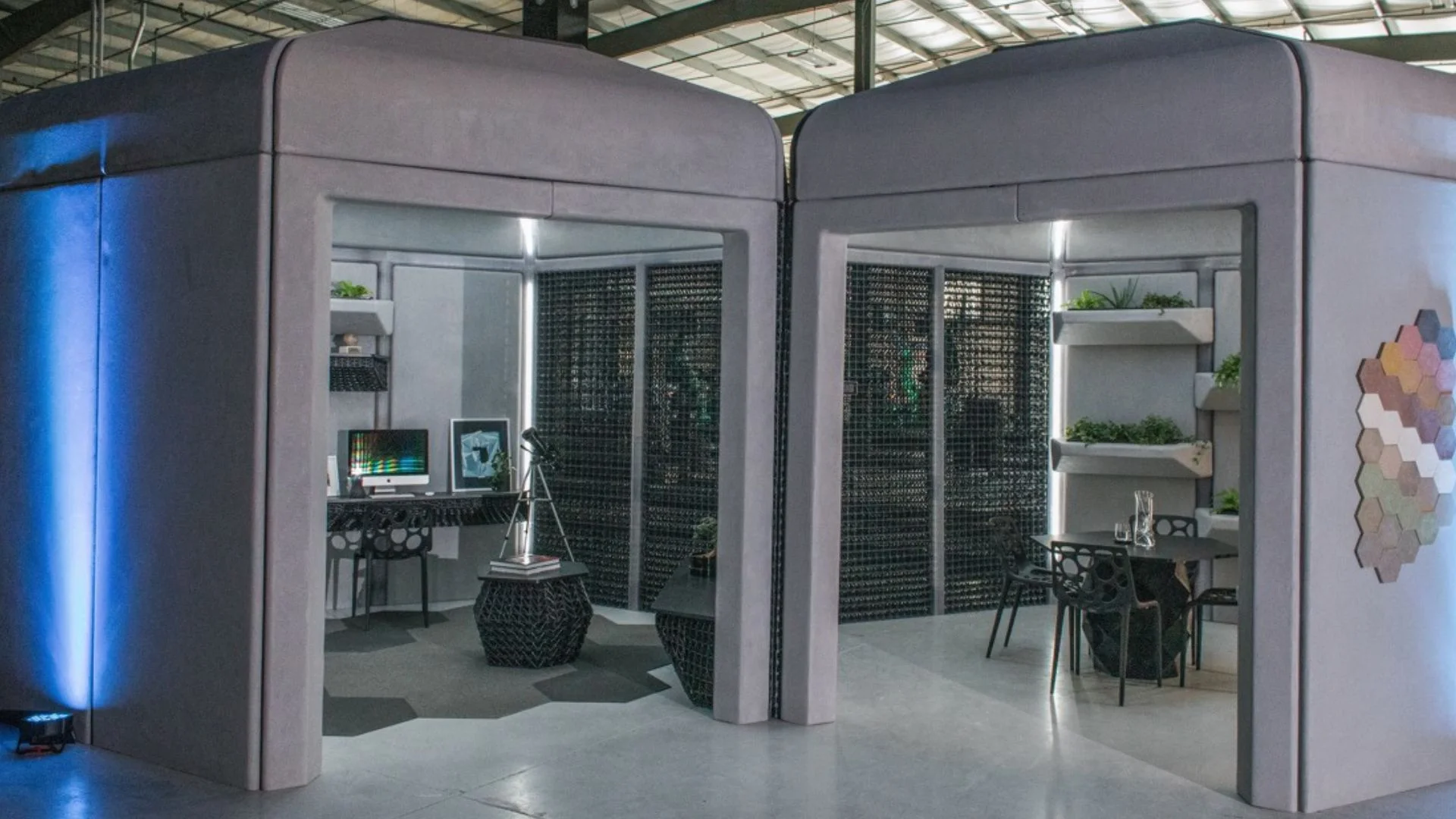
The company’s system is called Freeform 3D Printing. Unlike traditional 3D printing, which builds objects layer by layer into solid forms, this method creates lightweight lattice frameworks that can later be filled or covered. This approach uses less raw material while still maintaining strength and durability.
Branch Technology first gained national attention in 2017. The company won Phase II of NASA’s 3D-Printed Habitat Challenge, a competition focused on developing structures for astronauts living on the Moon or Mars.
The contest pushed engineers to rethink how buildings could be made in environments where construction materials are limited.
David Goodloe, who leads the company’s Advanced Concepts team, said the NASA challenge helped validate the technology.
He explained that the process removes large amounts of unnecessary material from structures that would otherwise be fully solid. That reduction lowers weight, cuts waste, and improves installation efficiency.
The NASA competition also helped the company attract outside investment. A Silicon Valley investment firm backed the startup after seeing its performance in the global challenge. The support allowed Branch Technology to expand its work from experimental designs into large commercial construction projects.
3D Printed Buildings Use Less Material
NASA later continued working with Branch Technology through a cooperative agreement in 2021. The project involved studying how astronauts could manufacture tools, walls, furniture, and interior systems directly on the lunar surface.
Engineers explored how autonomous 3D printing systems could help crews build living spaces without depending heavily on Earth-based supply shipments.
WATCH ALSO: A humanoid robot developed by China’s Unitree is mastering anti-gravity mode
Tracie Prater from NASA’s Marshall Space Flight Center worked with the company during the project. She said the earlier habitat challenge focused on building the outer shell of lunar structures. The newer collaboration examined how astronauts might produce interior components once habitats are ready for human use.
The research influenced the company’s commercial products in several ways. Engineers modified the printer nozzles to produce both lattice structures and solid printed sections simultaneously.
This allows builders to create lightweight panels while still including reinforced areas for bolts, fasteners, and mounting systems.
The material used in the printing process also evolved through NASA research. The original challenge encouraged teams to use materials similar to Martian dust and rocks, along with recyclable mission waste.
Branch Technology developed a basalt fiber-reinforced plastic that later became the basis for its commercial printing materials.
Basalt fibers are made from volcanic rock and are known for their strength and heat resistance. When combined with plastic, the material becomes lighter than concrete while remaining structurally durable. This makes it useful for wall systems, facades, and architectural elements that need both strength and insulation.
Lightweight Panels Change Building Design
The company has already applied the technology to several large-scale projects.
One project included a massive drapery-inspired wall installation for the W Hotel in Hollywood. Other projects include art installations, building exteriors, and custom interior architectural features.
Branch Technology also studied the impact of using its printed panels on a planned high-rise building facade.
The company found its system would reduce the structure’s weight by nearly 34 million pounds compared with traditional precast concrete panels. The panels also provided significantly higher insulation performance while reducing installation labor requirements.
READ ALSO: Handle With Care: This Robot Gripper Picks Ripe Fruit by Touch Alone
The technology may also lower construction costs over time. Lightweight components are easier to transport and install, reducing the need for cranes and specialized crews. Faster installation can shorten construction schedules and reduce disruptions at building sites.
NASA continues to support related research through a Small Business Innovation Research project. Branch Technology is currently studying whether its Freeform 3D Printing system can build a 50-meter tower on the Moon. The research is part of broader efforts to develop sustainable infrastructure for long-term human missions beyond Earth.
The partnership highlights how space technology often creates unexpected benefits for daily life on Earth. Innovations designed for extreme environments frequently lead to advances in manufacturing, materials science, and engineering. NASA-inspired 3D printing might play a larger role in the future of global building design.