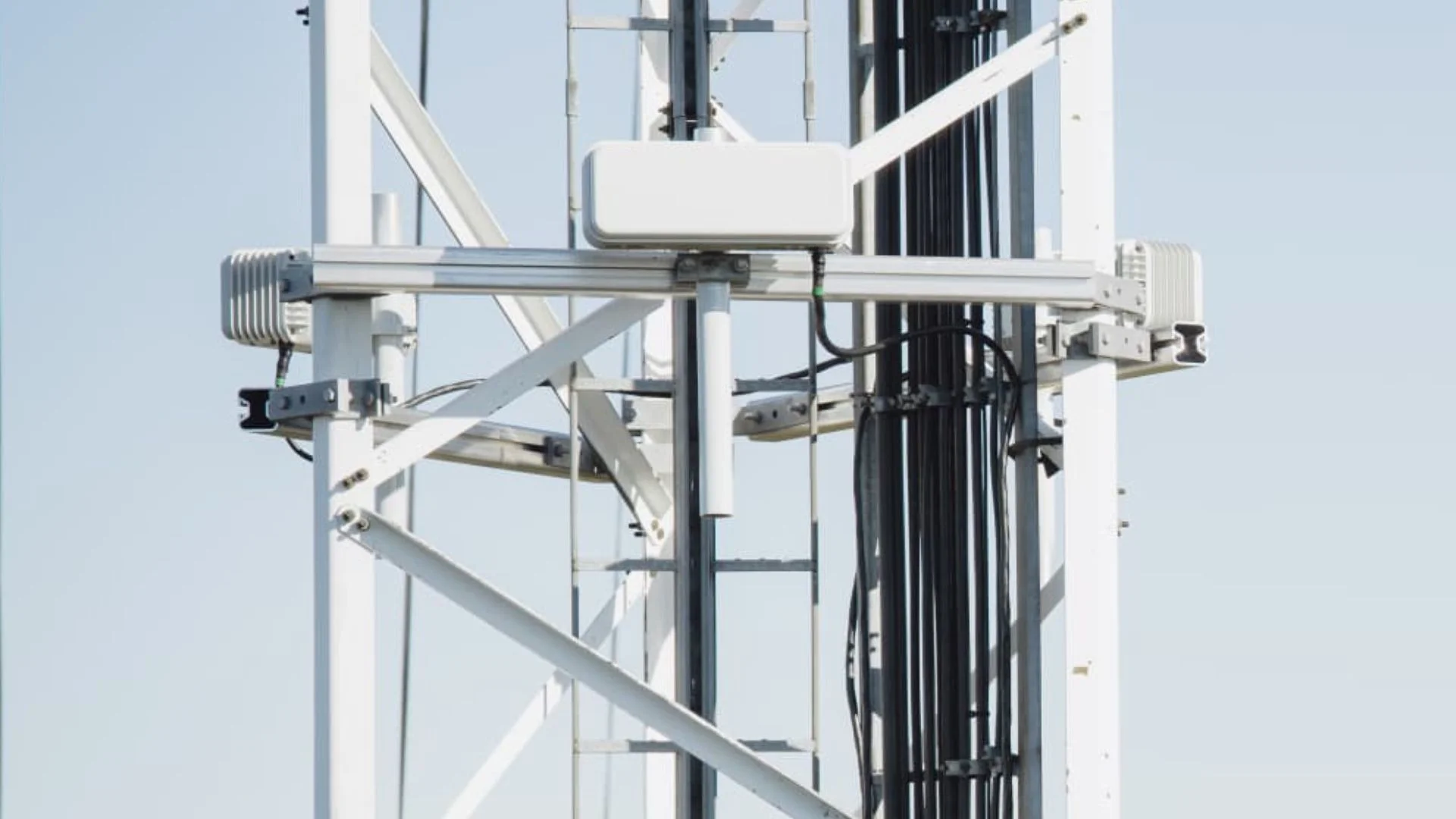
Swedish defense company Saab has introduced a new passive electronic warfare sensor designed for strategic surveillance and radar threat detection.
The new system, called Sirius Compact L24R, expands Saab’s Sirius Compact family of Electronic Support Measures sensors.
It is designed for fixed installations and supports wide-area monitoring without disclosing its own position. The system is designed to detect and classify radar emission from military aircraft, surveillance systems and naval platforms. It provides uninterrupted monitoring while remaining electronic silent.
The Sirius Compact L24R belongs to Saab’s Radar-Electronic Support Measures(R-ESM) portfolio. These systems help military forces identify radar activity without actively transmitting signals. Passive systems like this are important because they reduce the chance of detection during surveillance operations.
According to Saab, the new sensor supports both fixed and mobile deployments. It can be installed on masts, existing structures, vehicles, vessels, or other tactical platforms. Its modular structure allows fast integration into different operational environments.
Saab says the sensor is designed for strategic surveillance missions covering large areas. The system can monitor fighter aircraft radar emissions, coastal surveillance radars, and maritime threats. This gives defense operators early warning capabilities before threats enter critical zones.
READ ALSO: Embry-Riddle Researchers Use World’s Brightest X-Rays to Test Ultrafast Aircraft Materials
Carl-Johan Bergholm, head of Saab’s Surveillance business area, said the new sensor extends the company’s tactical EW portfolio.
He explained that the L24R was specifically developed for persistent and fixed-site surveillance missions. The system focuses on wide-area coverage and long-duration operations.
How Sirius Compact L24R Detects Radar Threats
The Sirius Compact L24R operates across a frequency range of 1 to 18 GHz. This range covers many modern radar systems used by aircraft, ships, and air defense networks. The sensor continuously scans the spectrum and identifies radar signals in real time.
One of the system’s key functions is Direction Finding, also called DF. This feature measures the angle at which radar emissions arrive. Saab states the L24R delivers Direction Finding accuracy below one degree RMS under typical conditions.
The sensor also supports target geo-location through triangulation. When multiple sensors are connected in a network, operators can determine the exact position of a radar emitter. This improves targeting data and situational awareness for military forces.
Saab designed the system to operate autonomously, without storing sensitive threat library data in the sensor itself. This reduces security risks if a deployed unit is captured or compromised. Intelligence data is processed and shared across connected networks instead.
The company also focused heavily on low Size, Weight, and Power requirements, often called SWaP in defense systems. The L24R weighs only 8 kilograms and measures 450 x 170 x 170 millimeters. Typical power consumption remains around 65 watts, making deployment in remote locations easier.
Another important feature is its simple installation setup. Saab says the sensor uses a single-cable interface and does not require an external cooling system. This reduces maintenance needs and simplifies deployment on existing infrastructure.
READ ALSO: Spanish and UK Scientists Achieve Lifelong, Tissue-Specific Protein Control in Living Animals
Why Passive Electronic Warfare Systems Matter
Modern military operations depend on electronic warfare systems for battlefield awareness. Active radar systems transmit signals that can expose their position to enemy forces. Passive systems avoid this problem because they only listen for incoming emissions.
This makes passive EW systems highly valuable for air defense and intelligence operations. They can detect hostile radar activity while remaining difficult to locate. Such capabilities are especially important in contested environments where stealth and survivability matter.
Saab says Sirius Compact sensors are platform-agnostic, meaning they can operate across many platforms. The systems can support drones, ground vehicles, ships, and fixed installations. This flexibility allows military operators to build distributed surveillance networks.
The L24R also supports standard interfaces such as SAPIENT and CESMO. These standards help different military systems share data across networks more efficiently. Interoperability is becoming increasingly important as defense forces combine sensors from multiple platforms and allied nations.
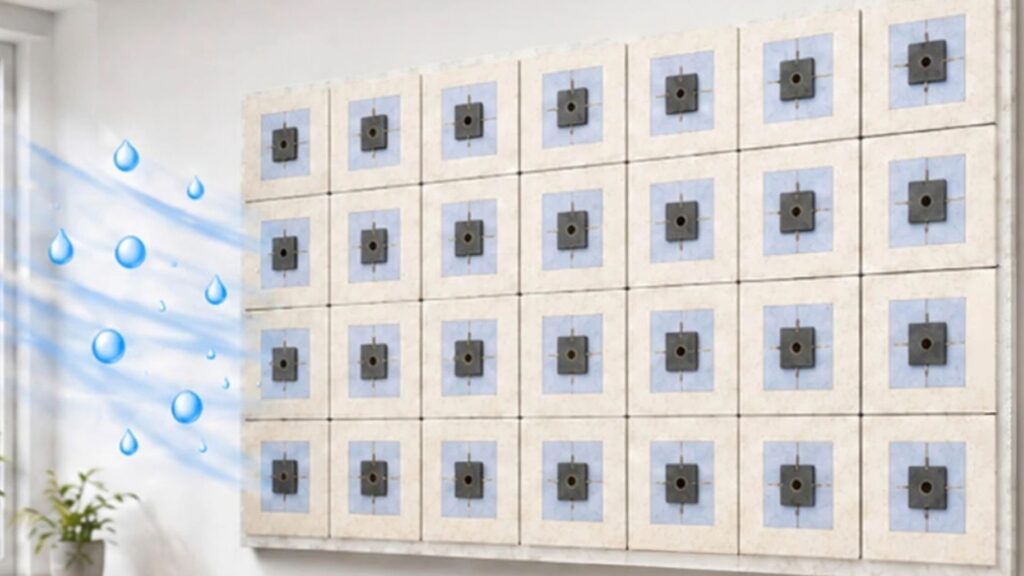
The system’s 120-degree azimuth coverage enables broad-sector monitoring from a single panel. Multiple panels can also be combined to expand surveillance coverage in larger operational areas. This setup helps improve monitoring efficiency without requiring large radar installations.
WATCH ALSO: Two Humanoid Bots Tackle 32-Box Job With Zero Human Help
Saab’s latest launch reflects the growing global demand for compact electronic warfare systems. Defense forces are investing more in passive sensing technologies due to increasing electronic threats and drone warfare. Systems that provide silent detection and distributed surveillance are becoming central to modern defense planning.
The introduction of the Sirius Compact L24R strengthens Saab’s position in the electronic warfare sector. Its light design, autonomous operation and networked surveillance capability make it suitable for both tactical and tactical missions and strategic missions.