Rising military activity and shifting alliances in Asia have intensified scrutiny, as recent People’s Liberation Army(PLA) exercises near the Philippines add fresh strain to an already fragile regional security landscape.
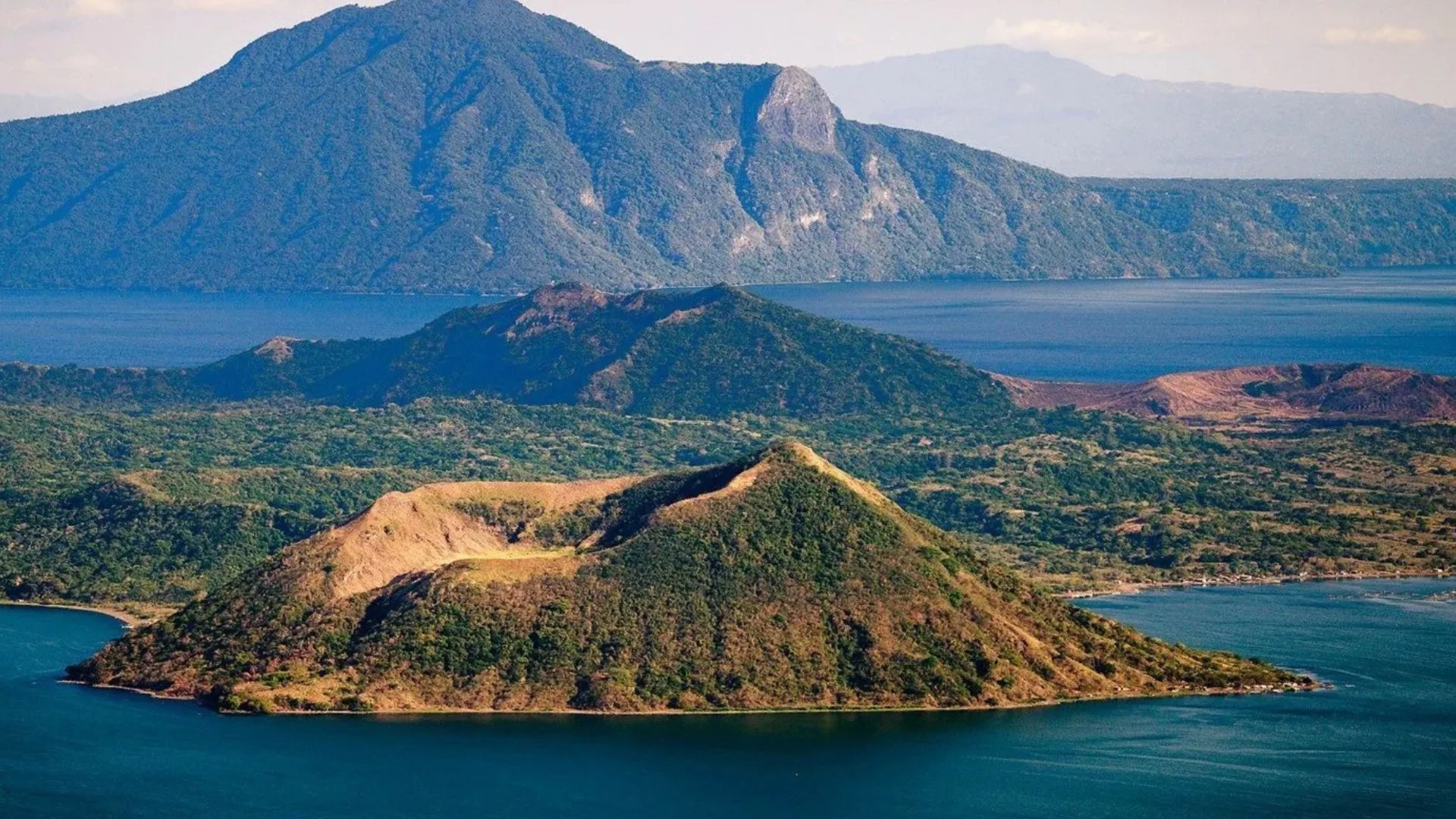
The PLA’s Southern Theater Command confirmed that it conducted military exercises in waters east of Luzon Island, a key area in the northern Philippines.
These drills involved Task Force 107 and included live-fire operations, coordinated sea and air maneuvers, rapid troop movements, and supply operations at sea. According to the PLA, the aim was to test and improve joint combat readiness.
Officials described the exercises as a necessary action in response to the current regional environment. They emphasized that the drills followed international law and standard practices.
READ ALSO: UF Builds First Liquid 550-Pound Rocket Engine, Achieves Historic Hot-fire Success
At the same time, the PLA signaled that such operations may continue regularly as part of its efforts to protect national sovereignty and maintain regional stability. However, the timing of the drills has raised concerns.
They took place during the ongoing Balikatan 2026 exercises, a large-scale military drill led by the Philippines and the US. This year’s edition, running from April 20 to May 8, is one of the largest in decades. What makes it more significant is Japan’s expanded role.
For the first time, Japan is participating not just as an observer but as a full, active partner. Around 1,400 Japanese troops are involved in the drills.
Reports say Japan will also use its Type 88 surface-to-ship missiles in a live-fire sinking exercise. This marks the first time such weapons are being used outside Japanese territory. This shift reflects a bigger change in regional military cooperation.
WATCH ALSO: Biohybrid robots turn food waste into functional machines
Before Balikatan, Japan had already sent hundreds of troops to join another US-Philippines drill called Salaknib. Japanese forces, which once played a limited role in overseas operations, are now taking on more active, combat-capable responsibilities abroad.
Over the past year, Japan and the Philippines have signed several agreements to strengthen defense ties. One of them, the Reciprocal Access Agreement, allows both countries to deploy troops and equipment more easily on each other’s soil. Another deal, the Acquisition and Cross-Servicing Agreement (ACSA), enables the sharing of supplies and logistics during joint operations.
Discussions are also ongoing for a General Security of Military Information Agreement (GSOMIA), which would allow real-time intelligence sharing between the two countries.
These moves are part of a broader strategy. Some experts argue that Japan and the Philippines are trying to connect different geopolitical flashpoints across Asia. These include the East China Sea, the Taiwan Strait, and the South China Sea. By linking these areas, they could create a coordinated military framework that operates across regions. This may increase the risk of conflict.
READ ALSO: Lenovo’s 1000Wh Battery Reveal Signals More Than Just Better Battery Life
One analyst said Japan could use the Philippines as a forward base in case tensions rise. This would allow faster coordination across multiple hotspots. Another expert added that such a setup could lead to a spillover effect, where a conflict in one area quickly spreads to others.
At the same time, political developments are reinforcing these military ties.
Philippine President Ferdinand Marcos Jr. is scheduled to visit Japan from May 26 to 29. Officials say the visit will focus on strengthening strategic cooperation, particularly in energy, food security, and maritime safety.
Meanwhile, Japan has taken steps that signal a broader shift in its defense policy.
The Japanese government recently revised its rules on the export of defense equipment. The changes now allow the sale of weapons with lethal capabilities to other countries. This decision has sparked protests at home but reflects Tokyo’s growing interest in expanding its international defense role.
In March, Japan also delivered five coastal radar systems to the Philippines. These systems are expected to improve the country’s ability to monitor its waters and respond to potential threats. Taken together, these developments point to a deepening partnership between Tokyo and Manila.
WATCH ALSO: Swiss company’s new ‘brain’ to help robots conduct real-life tasks autonomously
Some analysts describe the relationship as approaching the level of a military alliance, even though no formal treaty exists. They say the cooperation has become more structured and operational.
From the Philippines’ perspective, strengthening military ties helps address its security concerns, particularly in the South China Sea. For Japan, the partnership offers a way to expand its strategic reach and play a larger role in regional security.
Experts also note that Japan may be using such partnerships to gradually move beyond the limits of its post-war pacifist constitution. By increasing overseas deployments and participating in joint operations, Tokyo could build momentum for future policy changes.
At a broader level, the US remains a key factor in this evolving dynamic. Washington has long promoted its Indo-Pacific strategy, which aims to strengthen alliances and maintain balance in the region. Japan and the Philippines play important roles in this framework due to their geographic positions.
While it supports stronger partnerships among its allies, it may not want to be drawn into a direct conflict, especially given its commitments elsewhere.
Amid all these developments, China has voiced its concerns. A spokesperson for China’s Foreign Ministry said that military cooperation should not harm regional peace or target third parties. He warned that countries tying their security too closely to others may face unintended consequences.
As military activities increase and alliances deepen, the risk of misunderstanding or miscalculation also grows. In such an environment, even small incidents can escalate quickly.
READ ALSO: MQ-4C Triton Vanishes Mid-Flight After 50,000 Ft Drop, US Navy Confirms Crash
The situation around Luzon is a clear example of how local actions can have wider implications. The waters east of Luzon are not just strategically important for the Philippines. They are also close to key shipping routes and lie near areas of broader geopolitical interest. Any military activity here is closely watched by multiple countries.
With the PLA continuing its drills and regional partnerships becoming more active, the balance of power in Asia appears to be shifting.
On one side, countries are strengthening cooperation to improve security and preparedness. On the other hand, these same actions are raising concerns about rising tensions and the possibility of conflict.
For now, all sides say their actions are defensive and aimed at stability. But the growing scale and frequency of military exercises, combined with deeper strategic ties, suggest that the region is entering a new phase.
It is a phase where alliances are more active, military presence is more visible, and the stakes are higher than before. How this situation evolves will depend not just on military strength, but also on diplomacy, communication, and restraint. In a region where multiple interests overlap, maintaining balance will be both crucial and challenging.