MIT Engineers Develop Breath Test That Can Detect Pneumonia in Minutes Without X-Rays
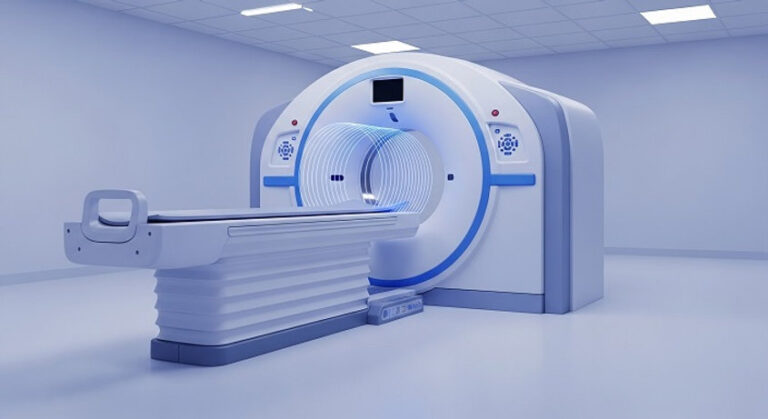
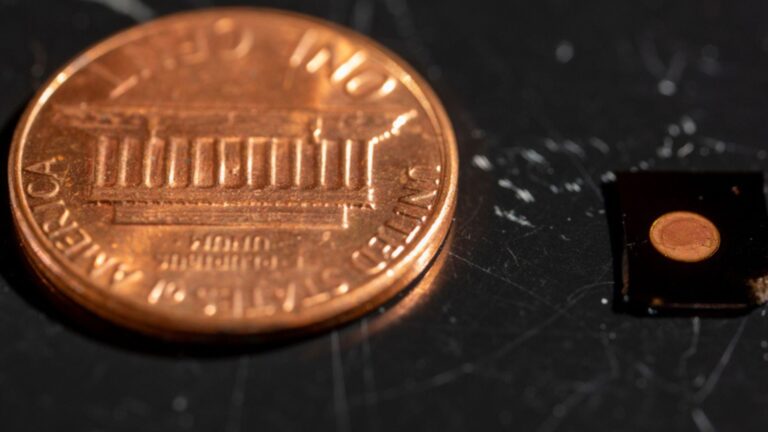
Engineers at the Massachusetts Institute of Technology (MIT) have developed a new breath test that could diagnose pneumonia in just

Engineers at the Massachusetts Institute of Technology (MIT) have developed a new breath test that could diagnose pneumonia in just

In recent days, residents in parts of Iran reported an unusual environmental event known as black rain after airstrikes reportedly

Researchers at Simon Fraser University (SFU) have developed a new type of prosthetic socket using 3D printing and artificial intelligence.

Researchers at Washington State University (WSU) have developed a 3D-printed heart model that can beat and contract. The new model
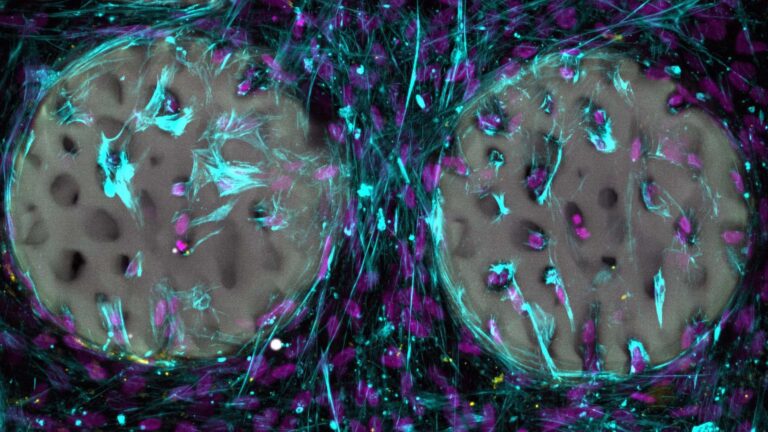
Researchers at ETH Zurich believe the future of bone repair could lie in something surprisingly soft,a hydrogel. The research team
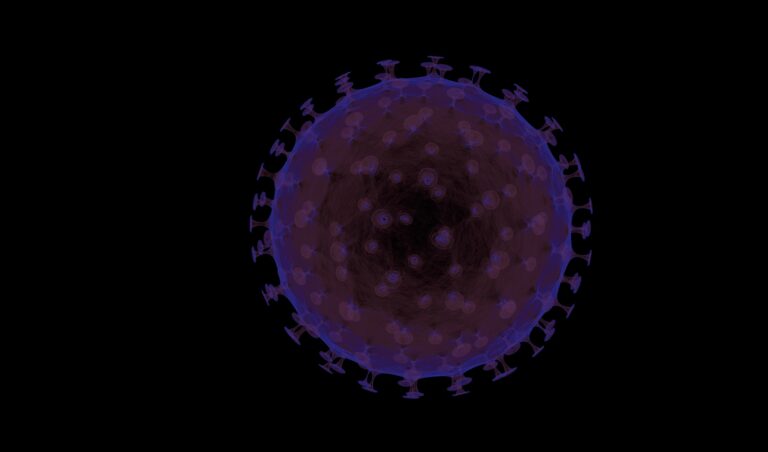
Scientists at the University of Liège have identified MafB, a genetic switch that controls how immune cells called macrophages mature and protect organs. Led by Professor Thomas Marichal, the team found that without MafB, these cleanup cells remain underdeveloped and cannot remove pathogens, recycle iron, or support tissue function properly. The discovery could lead to new treatments for chronic inflammatory diseases.
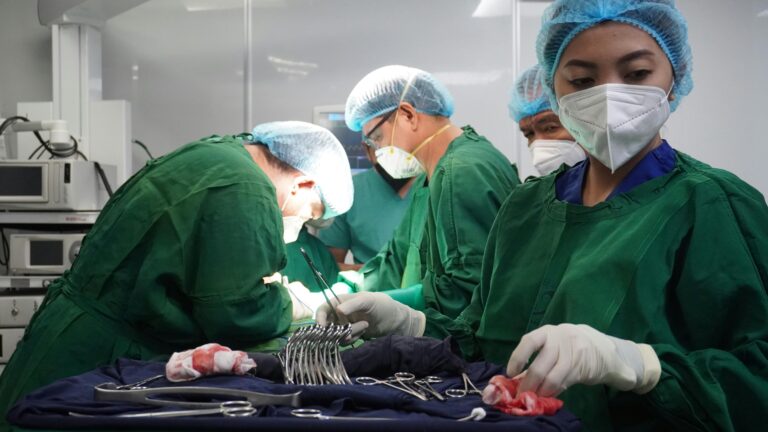
Chinese scientists have successfully treated a liver failure patient using a gene-edited pig liver connected to an external perfusion device. The team at Xijing Hospital, led by academician Dou Kefeng, kept the patient stable for 66 hours while the pig liver performed vital functions. The approach offers a potential bridge for patients awaiting human liver transplants amid severe donor shortages.

University of Waterloo researchers have engineered bacteria that eat cancer tumors from the inside out. The modified Clostridium sporogenes targets the oxygen-free core of solid tumors, and a built-in timing mechanism prevents it from growing elsewhere in the body. Pre-clinical trials are now being planned.
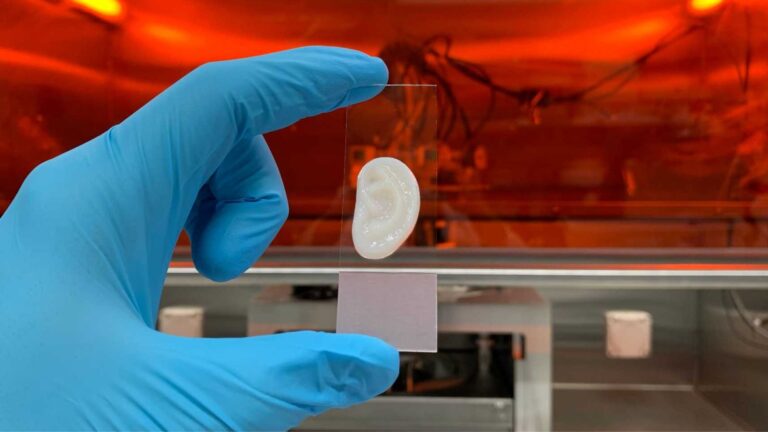
Researchers in Switzerland have engineered elastic ear cartilage in the lab that closely mimics the strength and flexibility of natural
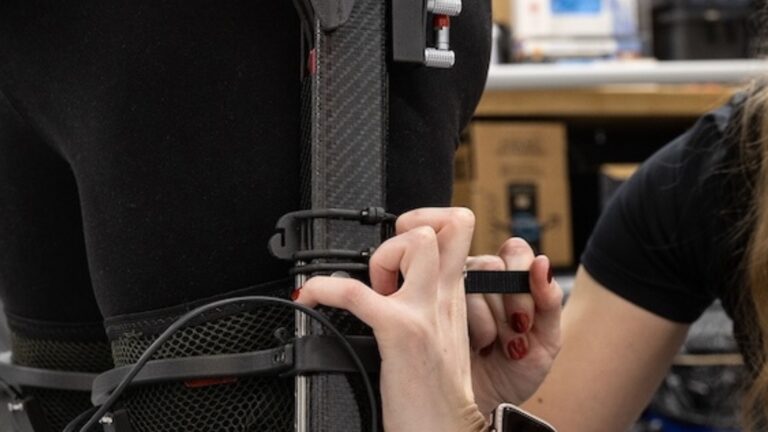
Engineers at the University of Utah have developed a lightweight robotic hip exoskeleton that could improve mobility for stroke survivors