Mitsubishi Electric has secured funding under JAXA’s Space Strategy Fund to develop advanced Orbital Transport Vehicles (OTVs), strengthening future space logistics and satellite transportation services.
The funding comes through the second phase of the Technology for Realizing Flexible Mobility in Space program. Mitsubishi Electric will lead the project after being selected as the representative organization.
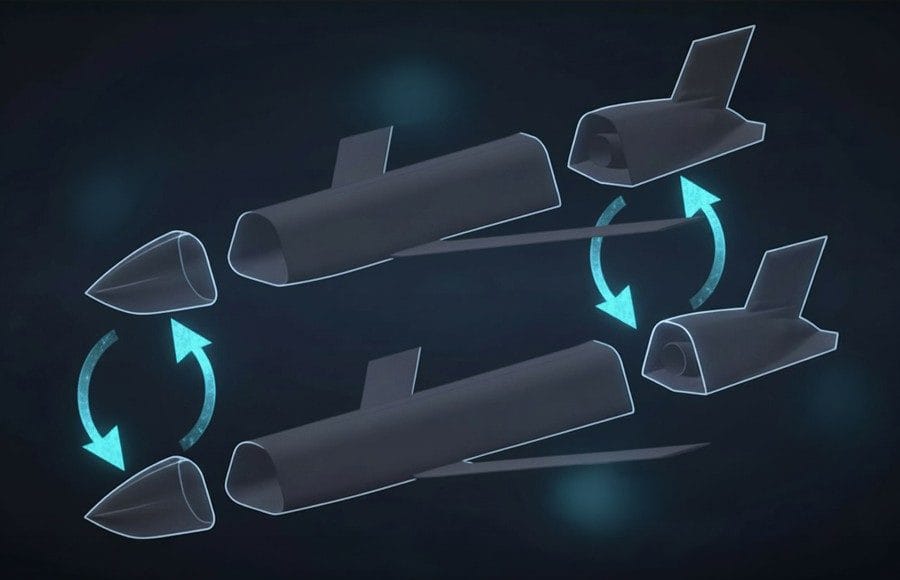
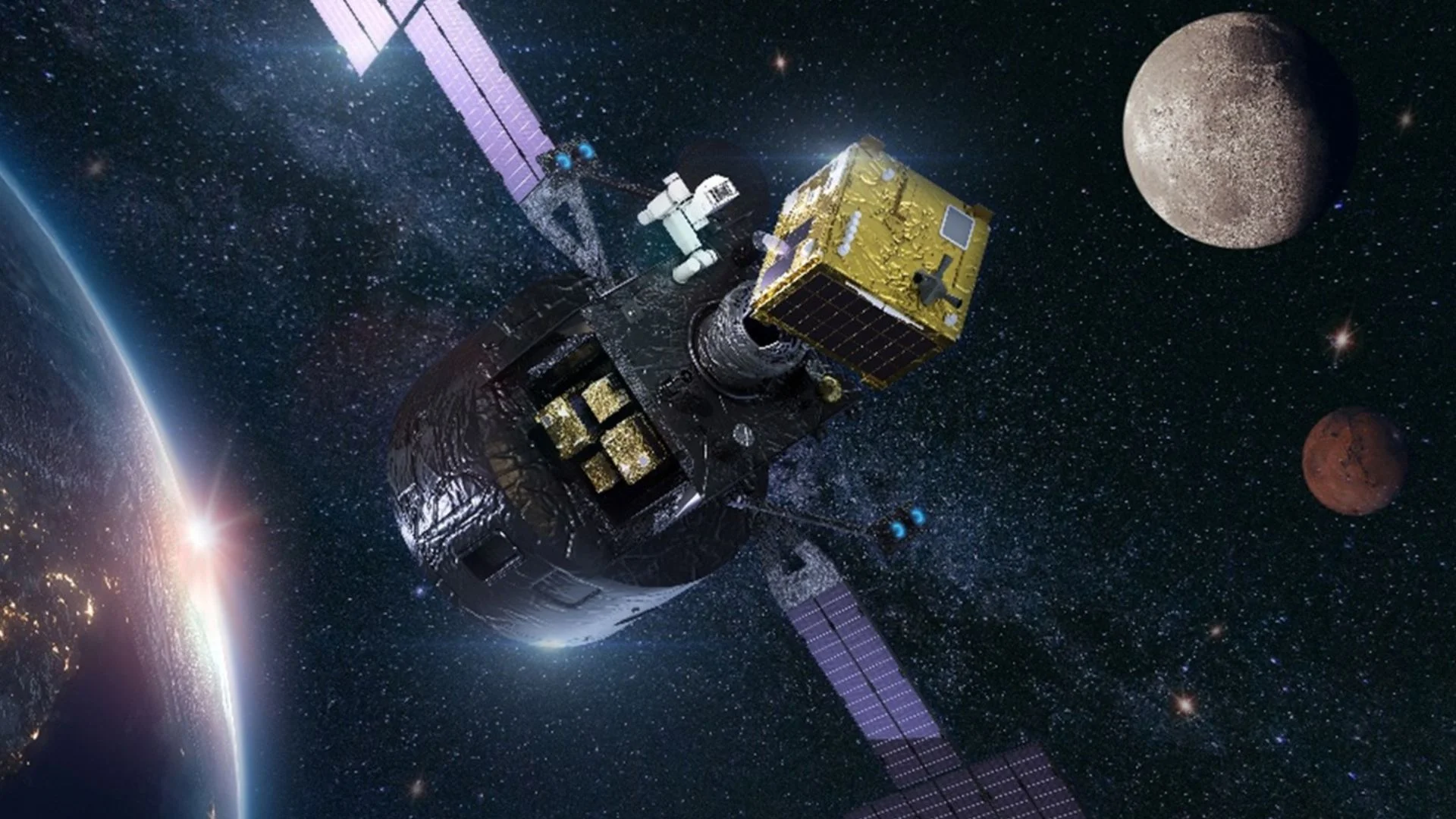
The new project focuses on developing a spacecraft capable of moving satellites and other payloads between different orbits.
These vehicles are designed to operate like transportation systems in space, helping move equipment where it is needed. The goal is to make space operations more efficient and support the growing commercial space industry.
Demand for on-orbit services is increasing as more satellites and space missions are launched. Services such as satellite inspection, repair, refueling, manufacturing, and assembly are becoming more important. Efficient transportation between orbits is expected to play a key role in supporting these activities.
Mitsubishi Electric brings extensive experience to the project through its work on major Japanese space missions.
READ ALSO: Swarm Aero Picks Honeywell’s TPE331 Engine For New Autonomous Defense Aircraft
The company has contributed to the H-II Transfer Vehicle (HTV) known as KOUNOTORI, the next-generation HTV-X cargo spacecraft, the Smart Lander for Investigating Moon (SLIM), the Martian Moons Exploration (MMX) mission, and several geostationary satellites. Technologies developed through these programs will help support the new transport vehicle.
Advancing Orbital Space Logistics Systems
The company plans to create advanced route-planning systems that determine the most efficient paths between orbits. These systems will help reduce fuel consumption while improving transportation performance. Lower fuel use can reduce mission costs and increase the operational life of spacecraft.
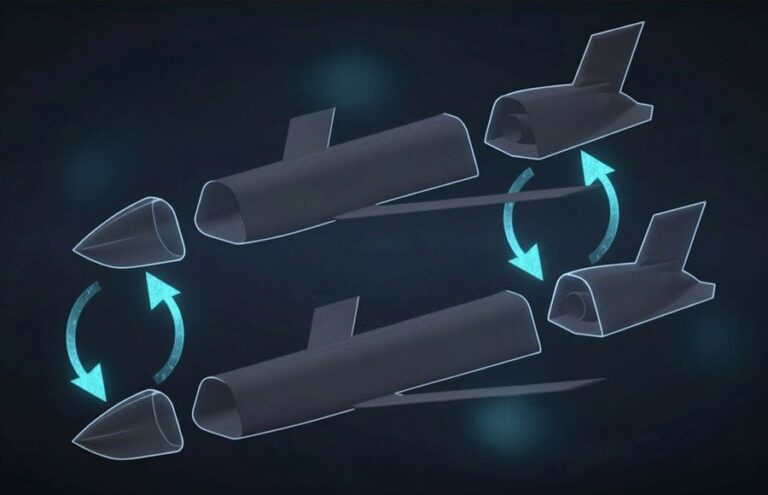
Another key objective is to build a highly flexible transport vehicle that is not restricted to specific routes or missions. The OTV will be designed to carry, release, and transfer different types of payloads based on customer requirements. This flexibility is expected to support a wider range of government and commercial space activities.
READ ALSO: Xiaomi Unveils EV Charging Robot Arm That Finally Brings Tesla’s Old Vision to Life
Mitsubishi Electric also plans to test autonomous rendezvous, proximity operations, and docking technologies. These capabilities allow spacecraft to approach, connect with, and handle other objects in space safely. The company intends to use physical AI and robotics technologies to improve automation and reduce operational risks.
According to Mitsubishi Electric Senior Technical Manager Mikihiro Sugita, the company is pleased to lead the Space Strategy Fund project.
He said the development of innovative and sustainable transport vehicles will help strengthen future space logistics. The project reflects Japan’s broader efforts to build infrastructure that supports long-term space utilization.
READ ALSO: Scientists Build Lab ‘Mini-Universe’ That Measures Time Without Using a Clock
The importance of space logistics is growing as countries and private companies expand activities in Earth orbit and beyond. Future missions will require reliable transportation networks similar to Earth’s supply chains. Projects such as Mitsubishi Electric’s OTV program are expected to become an essential part of the next generation of space infrastructure.
As the global space economy continues to expand, efficient orbital transportation systems are expected to become a critical foundation for satellite operations, commercial services, and future exploration missions.