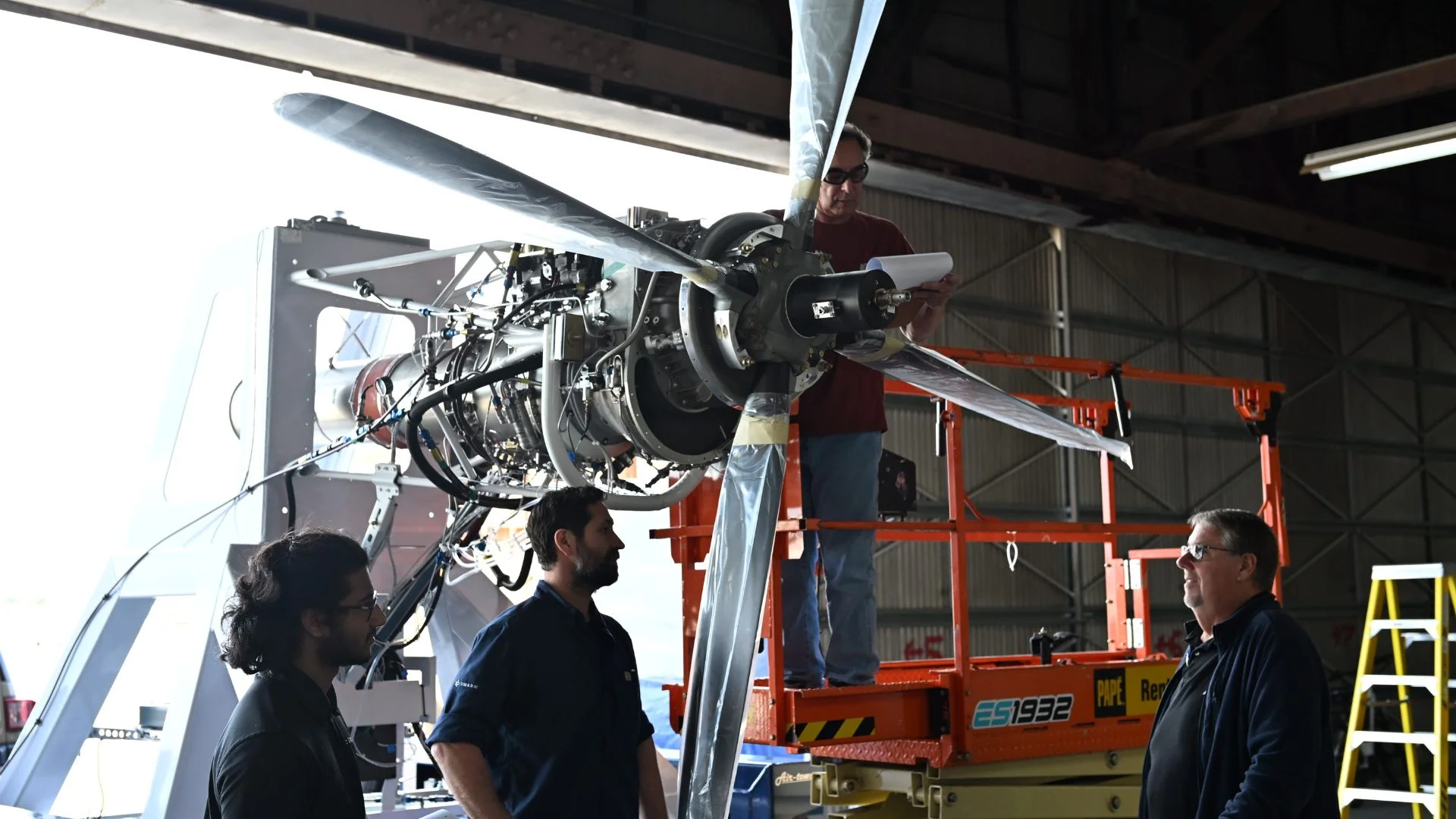
Swarm Aero has chosen Honeywell Aerospace’s TPE331 turboprop engine to power its upcoming Group 5 uncrewed aircraft system (UAS).
The decision marks a key step in the company’s effort to build large-scale autonomous aircraft for defense missions. Honeywell has already delivered the first propulsion systems under the initial agreement.
The new aircraft is designed to combine long flight range, high payload capacity, and lower operating costs. Swarm Aero plans to produce the platform quickly and at scale. The company says the aircraft is being built to support a wide range of military and mission-focused operations.
Honeywell TPE331 Engine
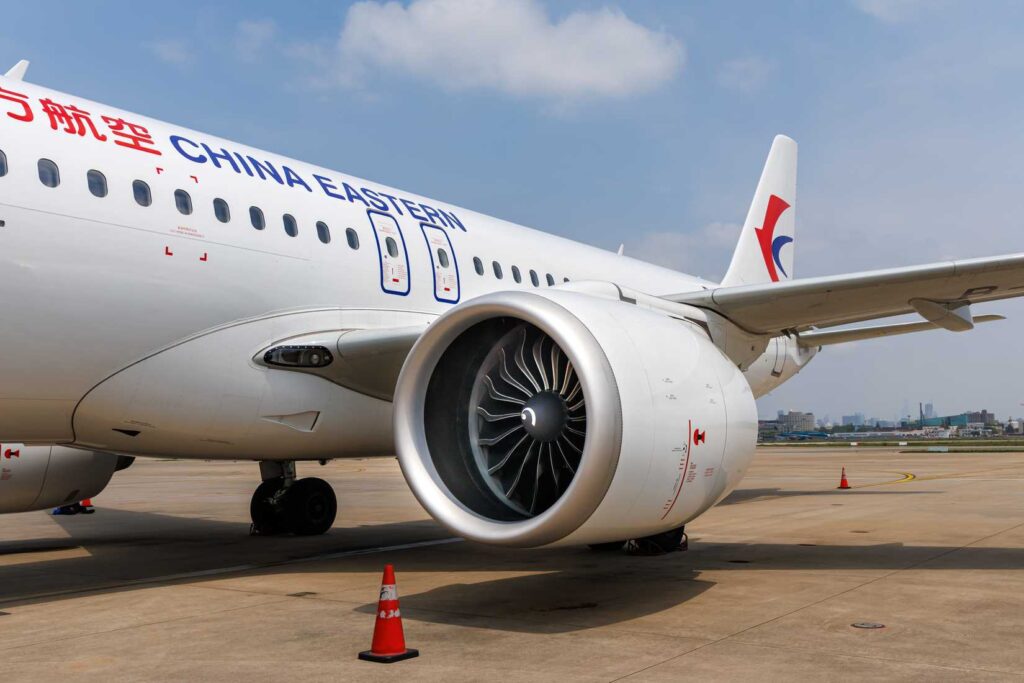
The TPE331 is one of the most established turboprop engines in aviation. A turboprop engine uses a gas turbine to drive a propeller, making it efficient for long-distance flights and heavy payloads. Honeywell first certified the engine in 1965 and has continued improving it over the past six decades.
More than 13,000 TPE331 engines have been delivered worldwide. The engine family has accumulated over 122 million flight hours across military, commercial, and agricultural aviation. Its long service record was a major factor in Swarm Aero’s selection process.
Swarm Aero Chief Executive Officer and Co-Founder Peter Kalogiannis said the company wanted an engine partner that would work closely throughout the aircraft development process.
He described the TPE331 as a proven and cost-effective engine with a strong history in aviation. He added that the aircraft is being designed around the engine’s capabilities.
Focus on Scalable Autonomous Operations
Honeywell and Swarm Aero are working together on aircraft design, maintenance planning, and operational support. The partnership aims to combine a mature propulsion system with a new autonomous aircraft platform. Both companies say this approach can reduce development risks and speed up deployment timelines.
Honeywell Aerospace Defense and Space President Matt Milas said defense operations are increasingly moving toward autonomous and distributed systems.
He noted that combining existing certified technologies with modern platforms helps deliver capabilities faster and at lower cost. The company views partnerships between established aerospace firms and startups as an important part of future defense development.
Swarm Aero’s aircraft is designed to operate in coordinated groups under the supervision of small teams. The company’s command-and-control software will allow multiple aircraft to work together during missions. This swarm-based approach focuses on the collective capability of many aircraft rather than a single platform.
WATCH ALSO: Chinese humanoid robot plays basketball with almost human-like accuracy
Manufacturing Expansion Supports Growth
The company recently opened an 80,000-square-foot Advanced Manufacturing Center in Fayetteville, Arkansas. The facility is intended to support high-volume aircraft production as demand grows. Swarm Aero has also raised $59 million in funding, including a recent $35 million Series A investment led by Two Sigma Ventures and Silent Ventures.
The aircraft itself has not yet been publicly unveiled. Swarm Aero plans to reveal the platform later this year. The project reflects a broader shift in defense aviation toward affordable, scalable, and autonomous systems designed for large-scale operations.
As military organizations seek more flexible, cost-efficient aerial capabilities, partnerships combining proven aerospace technology with new autonomous platforms are expected to play a role in future defense programs.