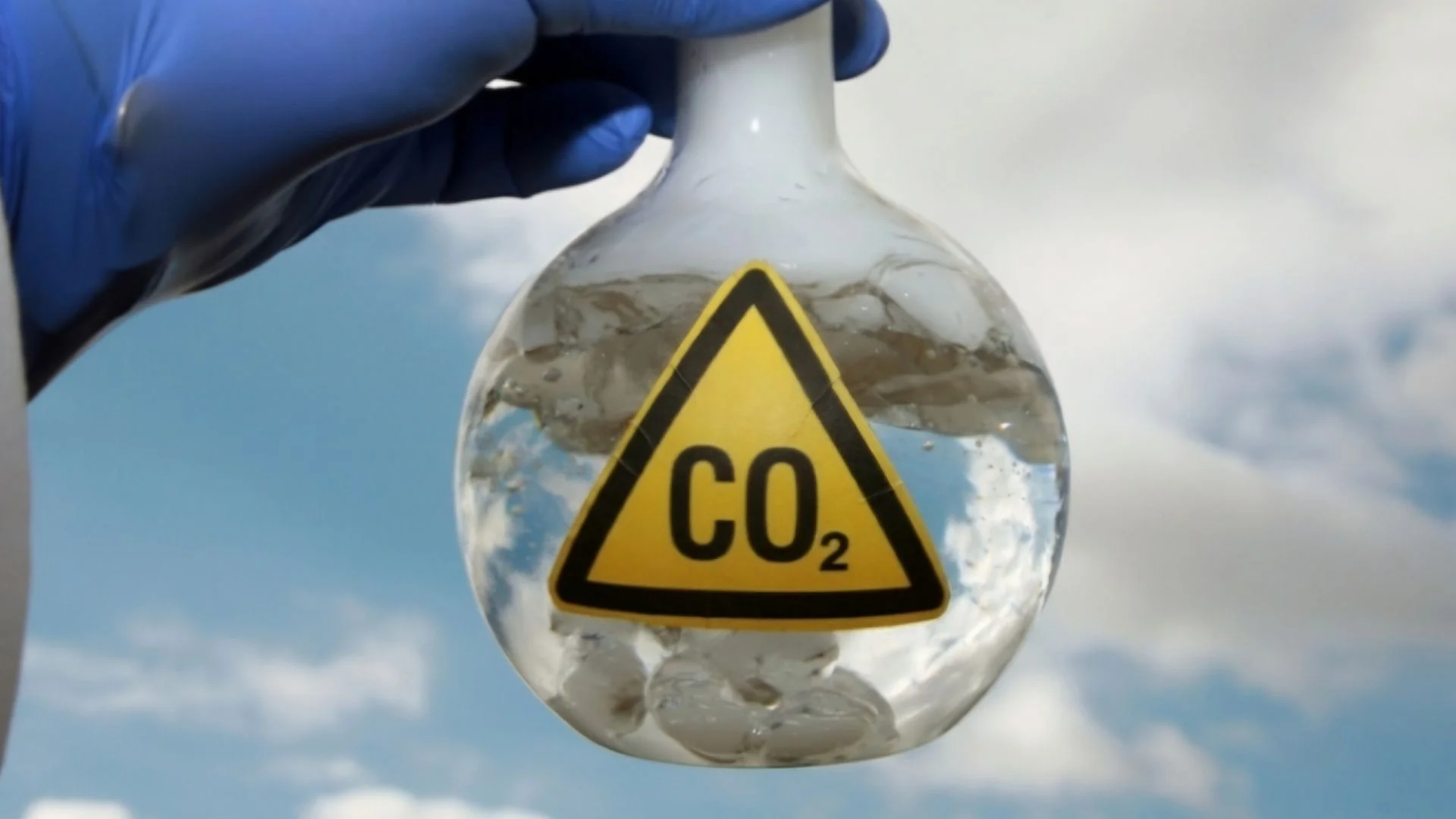
A South Korean research team has scaled up its direct CO₂-to-gasoline technology to a pilot plant capable of producing 50 kilograms of liquid fuel per day.
The system converts captured carbon dioxide and hydrogen into gasoline and naphtha-like hydrocarbons through a single-step process.
Researchers developed the technology to simplify fuel production while reducing energy use compared to conventional methods.
The project is also expected to support cleaner industrial production and reduce dependence on imported petroleum.
READ ALSO: Hualong One Unit 4 Construction Starts at Taipingling in China’s Clean Energy Push
The project was led by scientists at the Korea Research Institute of Chemical Technology(KRICT). The research team worked with GS Engineering & Construction and Hanwha TotalEnergies on the pilot-scale system.
The work was supported through South Korea’s Ministry of Science and ICT under its Carbon Resource Platform Chemical Project.
The new technology eliminates several complex steps typically used in carbon conversion systems.
Traditional methods first convert carbon dioxide into carbon monoxide via the reverse water-gas shift reaction. That stage usually needs temperatures above 800 degrees Celsius because CO₂ is chemically stable and difficult to break apart.
After that first stage, another process, the Fischer–Tropsch synthesis, converts carbon monoxide and hydrogen into liquid fuels. This second step operates under lower temperatures but still requires high pressure and large industrial equipment. The combined setup is complex, energy-intensive, and expensive to scale.
KRICT researchers developed a catalyst system that combines these stages into one direct reaction. Their process allows CO₂ and hydrogen to react to form liquid hydrocarbons without first producing carbon monoxide. This approach reduces the need for extremely high temperatures and simplifies plant design.
The pilot plant operates at temperatures between 270 and 330 degrees Celsius. It also operates at pressures ranging from 10 to 30 bar, which is lower than those of many traditional fuel synthesis systems.
Researchers said the process currently achieves a synthesis yield of around 50 percent for liquid hydrocarbons through recycling and multi-stage reaction control.
WATCH ALSO: World’s first motorbike backflip between two moving trucks successfully completed
The plant’s daily output of 50 kilograms is roughly equal to about three 20-liter fuel containers. While that amount is still small compared to commercial refinery operations, researchers see it as a major milestone in scale-up.
The team had previously demonstrated a smaller mini-pilot plant capable of producing 5 kilograms per day in 2022.
Why CO₂-Based Fuel Technology Matters
Interest in carbon recycling technologies has increased as countries seek cleaner fuel alternatives and greater energy security.
Global fuel supply chains have also faced pressure from geopolitical disruptions and shipping risks in major trade routes. Researchers said technologies that convert industrial emissions into fuel are becoming more strategically important.
The new process uses carbon dioxide captured from industrial sources such as factories and power plants. Instead of releasing the gas into the atmosphere, the system converts it into hydrocarbons that can be used as fuels or for petrochemical production. Naphtha produced through the process will also support chemical manufacturing industries that currently rely heavily on crude oil.
Hydrogen is another key part of the system. When hydrogen comes from renewable energy sources, the overall process may support lower-carbon fuel production. Researchers said the technology fits into broader Power-to-Liquids systems that combine renewable electricity, captured carbon dioxide, and green hydrogen to create synthetic fuels.
Synthetic liquid fuels are attracting attention because they can work with existing fuel infrastructure. Unlike some alternative energy systems, liquid fuels can still be transported, stored, and used in current engines and industrial facilities. That makes them attractive for sectors where electrification remains difficult.
READ ALSO: Russia Starts Nuclear-Capable Missile Tests Before Moscow Victory Day Parade
Commercial Liquid Fuel Production
The research team now plans to collect long-term operating data from the pilot plant. Scientists will focus on improving catalyst performance, increasing efficiency, and strengthening system stability during continuous operation.
The next target is designing a commercial facility capable of producing more than 100,000 tons of liquid hydrocarbons each year.
Researchers also plan to study economic feasibility and greenhouse gas reduction performance before full commercialization. Lower energy consumption and simpler process design may help reduce production costs compared to older CO₂ conversion systems. The team believes these advantages could improve industrial adoption in the future.
South Korea imports most of its petroleum resources, making energy diversification an important national priority. A successful commercial-scale carbon fuel system will help create alternative domestic feedstocks for the transportation fuel and chemical industries. It will also support long-term carbon reduction goals while keeping existing fuel supply chains active.
The project highlights growing global efforts to treat carbon dioxide as an industrial resource rather than merely a waste product.
As renewable hydrogen production expands, direct CO₂-to-fuel systems may become more practical for large-scale use. Researchers believe the next few years will determine how quickly these technologies move from pilot plants into commercial energy markets.