The US Navy is preparing to begin development of a new anti-submarine weapon designed to strike enemy submarines from much greater distances than current systems.
The new program, called Long Range Anti-Submarine Weapon(LRAW), appeared for the first time in the Navy’s fiscal year 2027 Research, Development, Test, and Evaluation budget documents.
The effort signals a major step in modernizing naval undersea warfare capabilities at a time when submarine activity is increasing across key global regions.
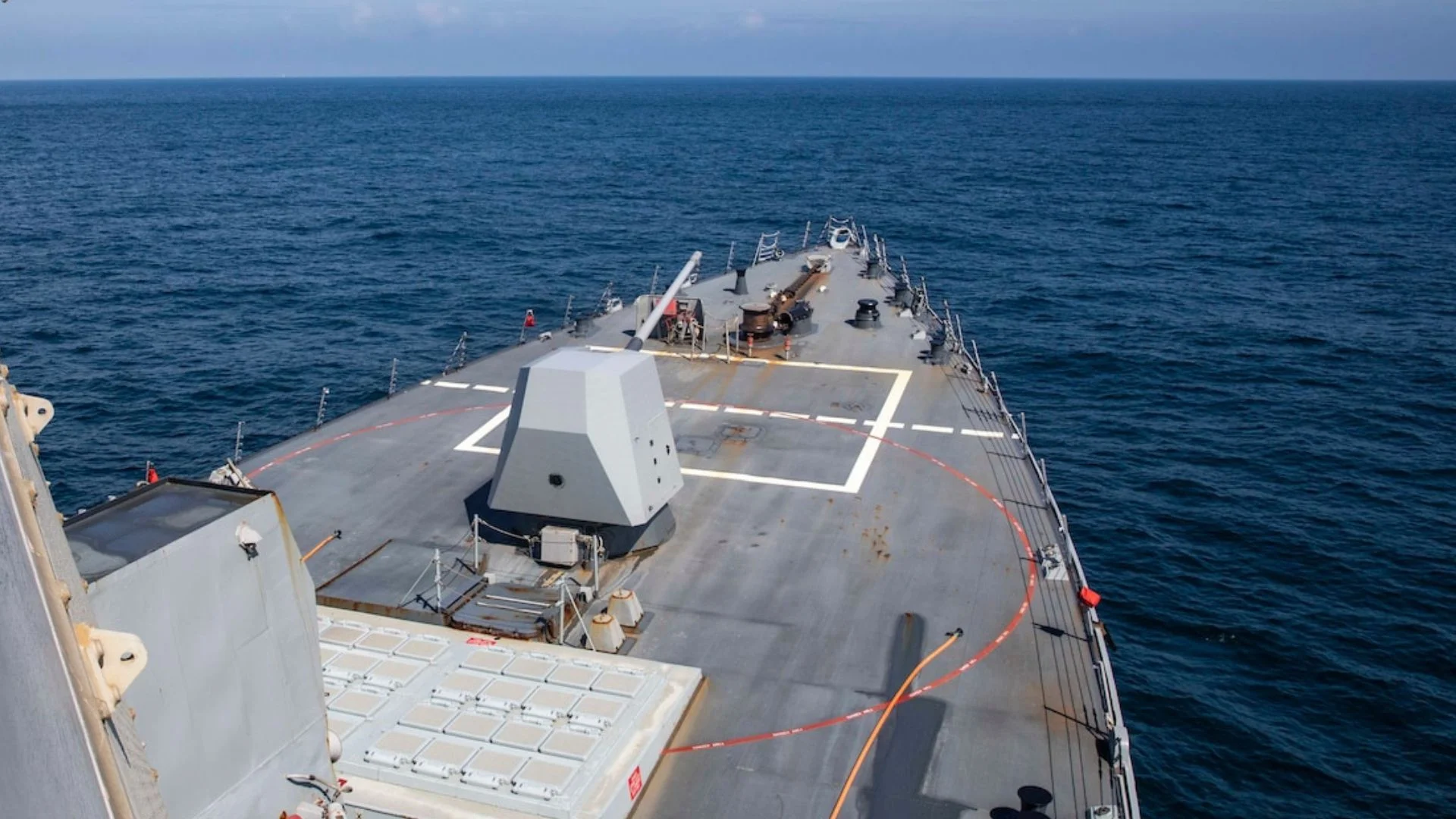
LRAW is being developed as a replacement or supplement for the aging RUM-139C Vertical Launched Anti-Submarine Rocket(VL-ASROC).
The current system allows warships to launch a rocket carrying a lightweight torpedo toward a suspected submarine location before the torpedo enters the water and searches for the target. The Navy says the existing weapon no longer provides enough range for future naval operations.
READ ALSO: Waymo Recalls 3,800 Robotaxis After Software Flaw Drives Vehicles Into Flooded Roads
US Navy Pushes LRAW Capability
The RUM-139C VL-ASROC has a publicly known range of slightly more than 10 miles. Navy planners now want a weapon that can engage submarine threats from much farther away, especially in contested maritime regions where enemy submarines are becoming quieter and more advanced. A longer-range system would allow warships to attack threats while staying farther from danger zones.
According to the Navy’s budget documents, LRAW will receive $11.423 million in fiscal year 2027 funding. The money will support early design work, engineering studies, test article production, and modifications to existing vertical launch anti-submarine systems.
The program is still in its early phase, and officials have not yet revealed the final design or exact performance goals.
Current details suggest LRAW will likely continue the same operational concept used by VL-ASROC.
In simple terms, the weapon will probably launch from a ship’s vertical launch system and carry a torpedo to a distant location before releasing it into the water. Once deployed, the torpedo would independently search for and track enemy submarines.
WATCH ALSO: NASA rover discovered ancient microbial life signature on Mars
AUKUS Role Shapes LRAW Development
The project also appears closely tied to the AUKUS security partnership involving the US, Australia, and the UK.
Navy program documents mention an ‘AUKUS RWG/TLR’ review, which likely refers to an AUKUS Requirements Working Group and Top-Level Requirements process. This indicates that all three nations may be coordinating standards and operational needs for the future weapon.
AUKUS Pillar 2 focuses on advanced military technologies beyond the submarine-sharing arrangement covered under Pillar 1. One of the key areas under Pillar 2 is undersea warfare and maritime defense technology. LRAW directly supports that goal by improving allied navies’ ability to detect and attack hostile submarines.
Compatibility across allied fleets could become one of the program’s biggest advantages. If LRAW works with the widely used MK-41 Vertical Launching System, the weapon may be integrated relatively quickly onto American and Australian warships already equipped with those launch cells.
The Royal Navy may also deploy the system on future Type 26 and Type 31 frigates that are planned to carry strike-length MK-41 launchers.
Why the LRAW Matters
Modern submarine warfare has become one of the most important areas of naval competition worldwide. Countries including China and Russia continue expanding submarine fleets with quieter engines, longer endurance, and advanced missile systems.
Western navies are therefore investing heavily in systems that improve submarine detection and long-range engagement capabilities.
Anti-submarine warfare weapons allow surface ships to defend carrier groups, protect sea lanes, and secure strategic maritime areas. Existing systems like VL-ASROC have served for decades, but naval combat requirements are changing rapidly as threats evolve.
READ ALSO: Dragon Cart: US Air Force Plans Cruise Missiles on Cargo Aircraft by 2027
Greater weapon range gives commanders more reaction time and increases survivability during high-risk operations.
The shrinking inventory of existing RUM-139 missiles also adds urgency to the LRAW effort. Navy documents state that only a limited number of current missiles will remain operational due to maintenance funding constraints. Developing a next-generation replacement now helps avoid future capability gaps as older systems reach the end of their service life.
The early funding stage means the final shape of LRAW remains years away from operational deployment. Still, the program reflects growing emphasis on allied naval cooperation and advanced undersea warfare under AUKUS.
If development stays on schedule, LRAW will become a key part of future US, British, and Australian naval operations in the Indo-Pacific and beyond.