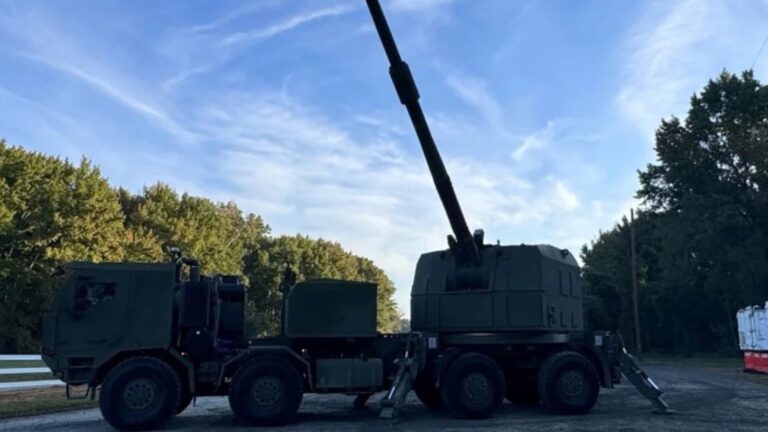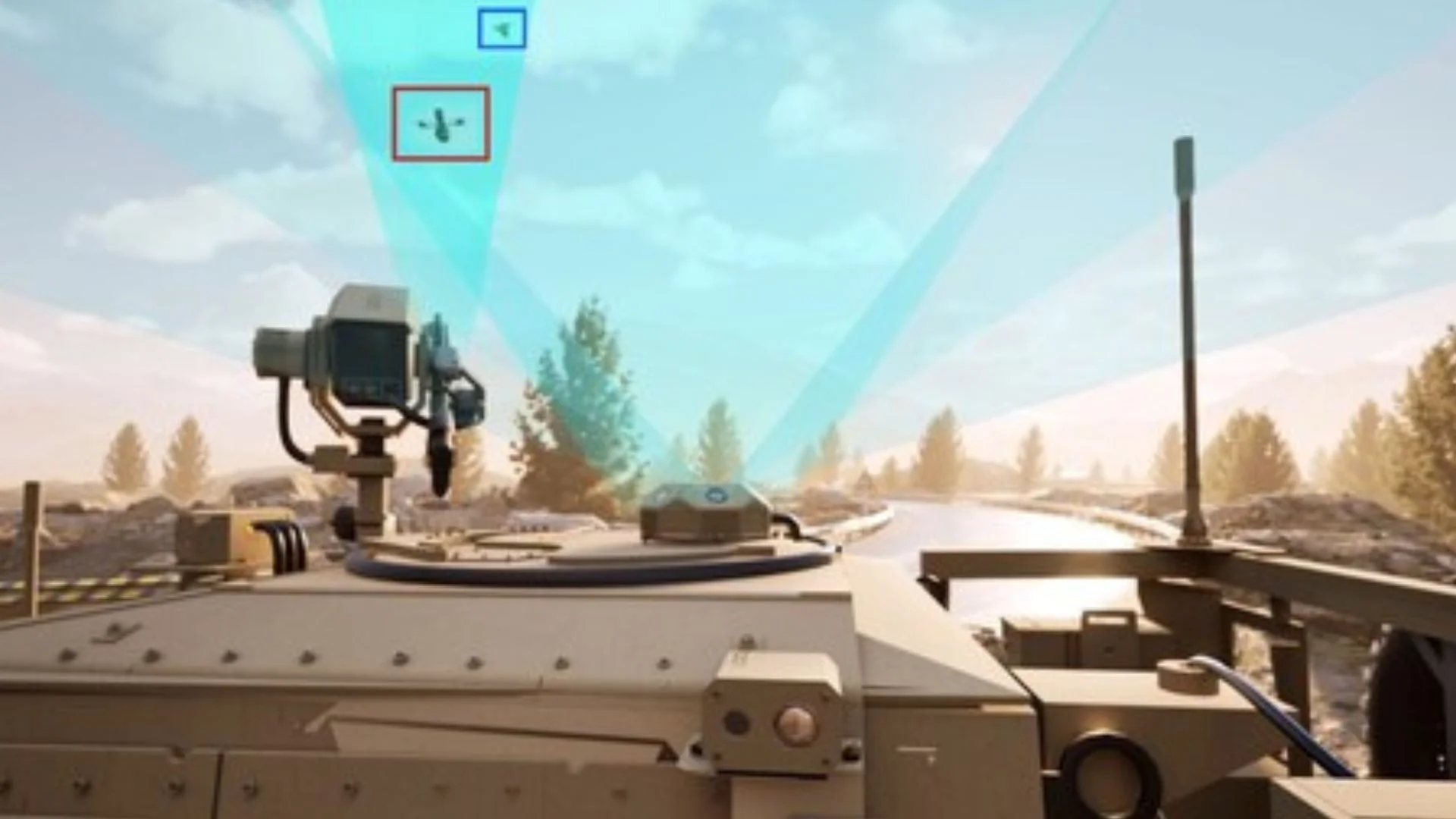
Axon Vision has completed an operational evaluation of its EDGE ClearSky drone detection system.
The system was tested by a defense force against FPV drone threats. It uses AI-based processing and thermal sensors on armored platforms for rapid aerial threat detection.
AI Drone Detection System Tested Against FPV Threats
A leading military force carried out an extensive operational assessment of EDGE ClearSky.
The system was evaluated against fast-moving FPV drones that are increasingly used in modern battlefield scenarios. These drones are known for their speed, low cost, and difficulty in detecting.
READ ALSO: US Marines to Replace F/A-18 Hornet with 420 F-35 Fighters by 2030 in Indo-Pacific Shift
EDGE ClearSky is part of Axon Vision’s EDGE AI family of computer vision tools. It uses thermal imaging and real-time AI processing to quickly identify aerial threats. The system is designed to support detection and interception directly from armored vehicles.
Military Integration and Leonardo DRS Partnership
The system is built to integrate with onboard weapon platforms for a closed-loop detect-to-intercept process. This allows automated support from detection to engagement of aerial threats. It is intended to improve response time in high-risk combat environments.
Axon Vision is also working with Leonardo DRS to support counter-unmanned aerial system capabilities for the US military market. The partnership has already led to an initial order for demonstrator systems. The company will continue global trials and further operational testing with international defense customers.
Forward Development and Global Testing Plans
EDGE ClearSky is still undergoing additional evaluations with military users in different regions. These trials are part of its ongoing operational maturation process. Axon Vision plans to expand demonstrations and refine system performance in future deployments.
The growing use of FPV drones in warfare is driving demand for faster detection systems. AI-driven solutions like EDGE ClearSky aim to support armored forces in complex combat zones. The technology is expected to play a larger role in future counter-drone defense systems.