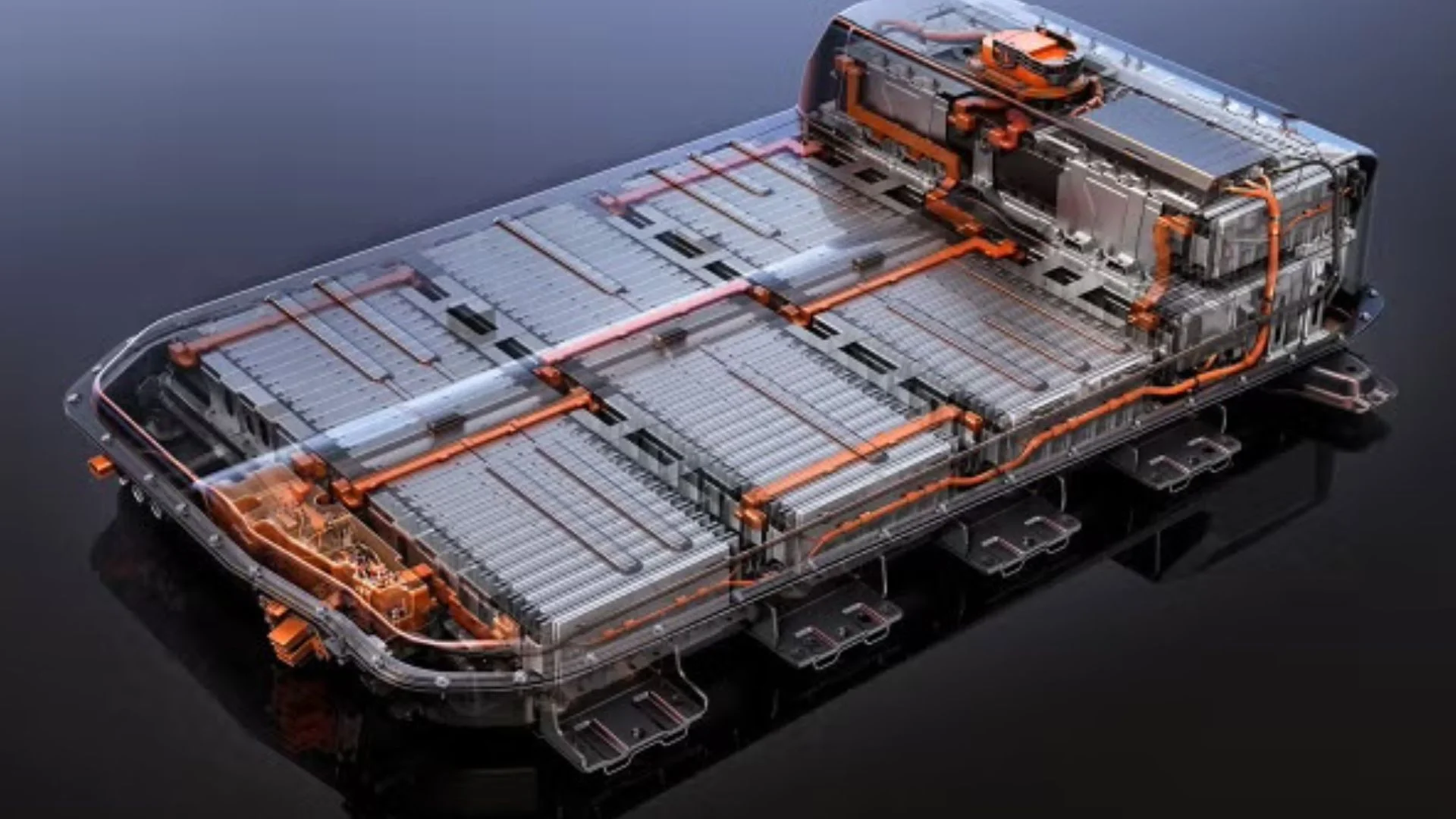
KAIST researchers have observed lithium metal battery degradation in real time using advanced nanoscale imaging.
The study shows how uneven lithium behavior inside the battery affects electric vehicle performance. It links these changes directly to reduced EV range and shorter battery lifespan.
Published in ACS Energy Letters, the research focuses on lithium metal anodes, a key component of next-generation batteries.
Scientists identified dead lithium formation as a major reason for performance decline. The findings provide a clearer understanding of how internal battery damage begins and spreads.
A research team led by Professor Seungbum Hong at KAIST studied how lithium metal behaves inside advanced batteries. Lithium metal is known for storing more energy than conventional battery materials. This makes it a strong candidate for improving electric vehicle range.
READ ALSO: Dragon Cart: US Air Force Plans Cruise Missiles on Cargo Aircraft by 2027
However, the material has a major drawback during repeated charging and discharging cycles. Its performance drops quickly due to unstable reactions on the electrode surface. This limits its long-term use in commercial battery systems.
To study this behavior, the team used in situ electrochemical atomic force microscopy (EC-AFM). This technique allows scientists to observe battery reactions in real time. It helped reveal how lithium deposits and dissolves during operation.
READ ALSO: Russia Unveils Upgraded Tu-160M Bomber, But Only 40% of Its Fleet Is Mission-Ready
The imaging method provided direct insight into internal changes within the lithium metal anode. Researchers could track how structural damage begins at a very small scale. This helped connect microscopic behavior with overall battery performance loss.
Nanoscale Imaging Reveals Dead Lithium Formation
The study found that lithium does not spread evenly across the anode surface during operation. Instead, it forms in specific areas, particularly rough, porous regions. These uneven patterns create weak points in the battery structure.
When lithium is removed during discharge, empty spaces or voids begin to form. These voids isolate parts of the lithium from the electrical system. This isolated material is known as dead lithium.
Dead lithium no longer takes part in energy storage or transfer. As more of it forms, the battery loses capacity and efficiency. This process directly contributes to performance decline over time.
WATCH ALSO: India recently tested carried out the successful launch of Intermediate Range Agni-Prime Missile
The researchers also noted that the initial surface structure strongly influences how lithium grows. A rough starting surface increases the chances of uneven deposition. This early stage plays a key role in long-term battery health.
Impact on EV Range And Battery Design
The formation of dead lithium has a direct impact on electric vehicle range and battery lifespan. As inactive material builds up, the battery stores less usable energy. This leads to reduced driving distance and shorter battery life.
READ ALSO: Biogas Output Soars 200% as Wastewater System Converts Sewage Sludge to Renewable Gas
The study highlights that controlling the first layer of lithium formation is critical. A more uniform surface can reduce damage during charging cycles. This approach may improve both performance and durability.
Researchers suggest that smoother and more controlled electrode designs could improve future battery systems. This could help make lithium metal batteries safer and more efficient for electric vehicles. It also supports their potential use in large-scale energy storage.
READ ALSO: HDT Robotics Delivers Hunter WOLF UGVs to US Army GOAT Training at Fort Polk
Professor Hong stated that the research confirms the existence of degradation mechanisms at the nanoscale. The findings offer a foundation for developing more stable battery designs. Future improvements will enhance EV range and support the wider adoption of advanced lithium-metal technology.