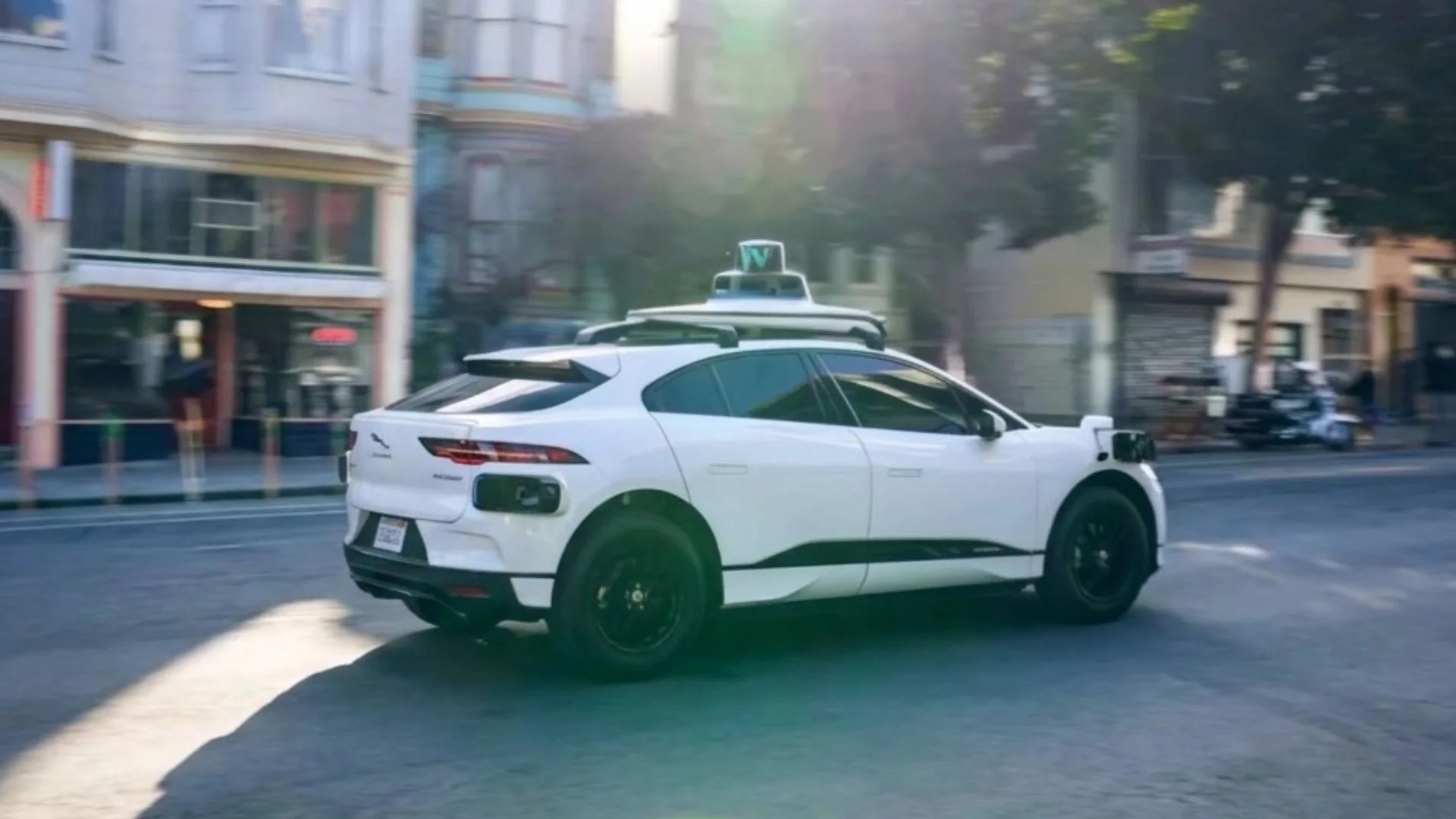
Waymo has recalled around 3,800 robotaxis across the US after software problems allowed some vehicles to enter flooded roads during heavy rain.
The voluntary recall follows several incidents in Texas and other cities where self-driving vehicles stalled in standing water and disrupted traffic.
The move highlights growing pressure on autonomous vehicle companies to improve safety systems as robotaxi services expand into more urban markets.
Waymo Pulls Robotaxis After Flood Failures
Waymo filed a voluntary recall with the National Highway Traffic Safety Administration after identifying issues linked to its fifth- and sixth-generation automated driving systems.
READ ALSO: Pentagon UFO Files Released: Hovering Objects, Flashing Lights, and Unanswered Questions
The company said the software sometimes failed to correctly identify flooded lanes on higher-speed roads during severe weather. As a result, some robotaxis entered water-covered streets instead of avoiding them.
The recall affects about 3,800 autonomous vehicles operating in different US cities. These vehicles are part of Waymo’s commercial robotaxi service, which provides paid rides without a human driver behind the wheel.
The company currently offers services in 11 American markets, including San Francisco, Phoenix, Los Angeles, Austin, and Miami.
Videos shared online recently showed Waymo vehicles in Austin driving into flooded streets during heavy rainstorms. In some cases, the vehicles stopped moving in the middle of traffic, forcing nearby drivers to steer around them. The incidents raised fresh concerns about how self-driving systems handle sudden weather changes and difficult road conditions.
The recall also follows a more serious incident in San Antonio earlier this year. On April 20, a Waymo autonomous vehicle entered a flooded roadway and was swept into a nearby creek. No passengers were inside the vehicle at the time, and no injuries were reported.
That event triggered a federal investigation by the National Highway Traffic Safety Administration. Regulators are examining how Waymo’s software responds to flooding, road hazards, and severe weather situations. The agency has increasingly focused on autonomous driving technology as more robotaxi fleets expand across major cities.
WATCH ALSO: Apple launches iPhone 17 lineup with contoured edges, and thinner borders
Waymo said it has already introduced temporary safety measures while engineers work on permanent software fixes.
The company is restricting robotaxi operations in areas with intense rainfall or flash-flood risk. It also said new software safeguards are being developed to improve how vehicles detect dangerous road conditions.
The latest recall comes as the robotaxi industry moves into a crucial growth phase in the US.
Companies developing autonomous vehicles are racing to expand services while proving their systems can safely handle unpredictable urban environments. Heavy rain, flooding, construction zones, and power outages remain some of the toughest challenges for driverless technology.
Waymo has faced other operational issues in recent months. In Austin, some vehicles reportedly failed to properly respond to school buses during testing. In San Francisco, robotaxis temporarily stopped in traffic during major power outages in December, creating congestion on busy streets.
READ ALSO: Biogas Output Soars 200% as Wastewater System Converts Sewage Sludge to Renewable Gas
Despite these setbacks, Waymo continues to rapidly grow its commercial operations. The company says its vehicles now provide more than half a million paid rides every week across different US cities.
Waymo believes autonomous driving technology can eventually reduce human driving errors, which remain a leading cause of traffic accidents.
The company said its San Antonio service remains temporarily suspended, but preparations are underway to restart public rides soon. Industry experts expect regulators to closely monitor future software updates before wider expansion continues.
The outcome of this recall will shape how autonomous vehicle companies approach safety standards and weather-related risks in the years ahead.