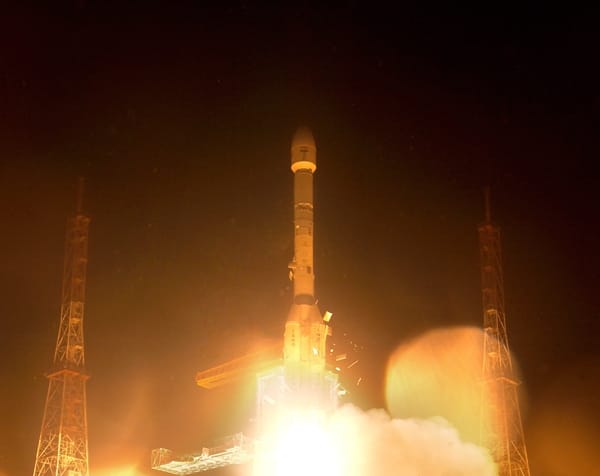
ISRO’s GSLV-F17 Soars: How EOS-05 Will Watch India’s Skies From 36,000 KM Up
India launched the EOS-05 Earth observation satellite aboard its GSLV-F17 rocket on Friday, placing the spacecraft into a Sub-Geosynchronous Transfer

India launched the EOS-05 Earth observation satellite aboard its GSLV-F17 rocket on Friday, placing the spacecraft into a Sub-Geosynchronous Transfer

The US Space Force has selected Leonardo DRS to develop a space-based sensor designed to detect, track and target fast-moving
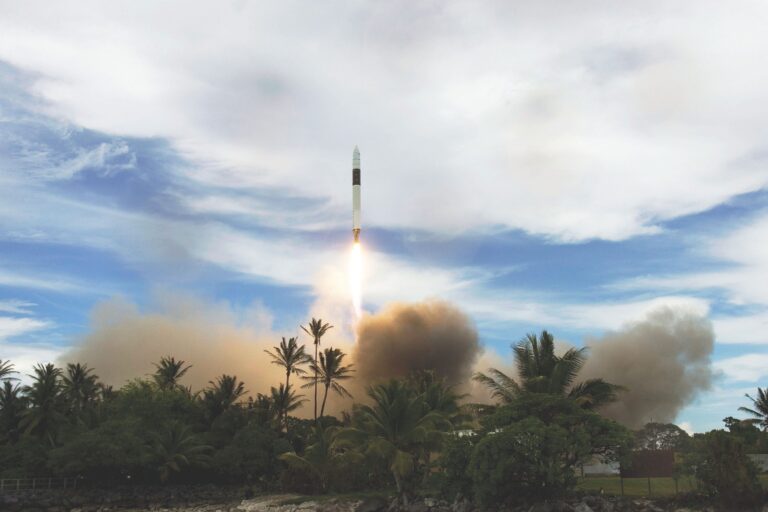
NASA’s Nancy Grace Roman Space Telescope has launched aboard a SpaceX Falcon Heavy rocket and is heading toward an orbit about one million miles from Earth. The infrared telescope will survey huge areas of the universe and study dark matter, dark energy, and exoplanets. Its Wide Field Instrument can capture 300-megapixel images, while the mission will send about 1.4 terabytes of data each day.
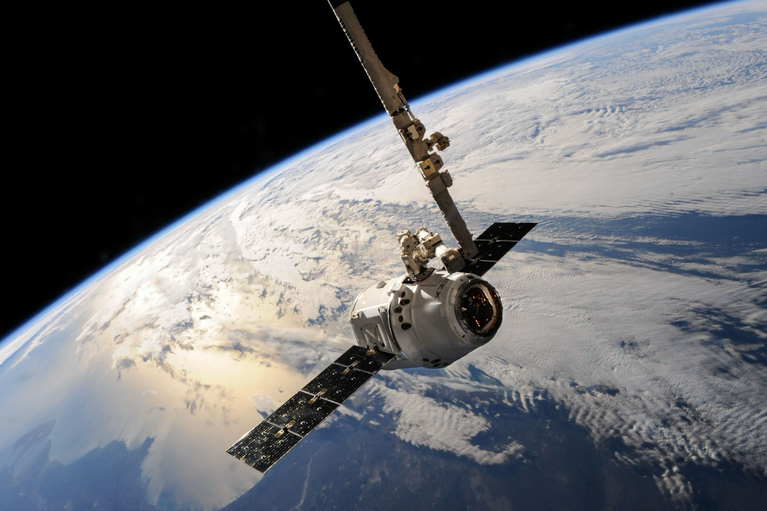
China has put a new orbital computing cloud into regular service, led by Beijing University of Posts and Telecommunications. The platform allows users to run computing tasks and process data in space, reducing the need to send all satellite data back to Earth. BUPT says the system has already completed hundreds of computing tasks for more than 100 users.
Aethero has signed a power agreement with Star Catcher Industries to support high-performance computing in orbit. Star Catcher’s planned orbital energy network uses wireless optical power beaming to deliver additional power to spacecraft on demand. The deal could help Aethero build space-based data centers that process AI and other data-intensive workloads closer to where the data is collected.
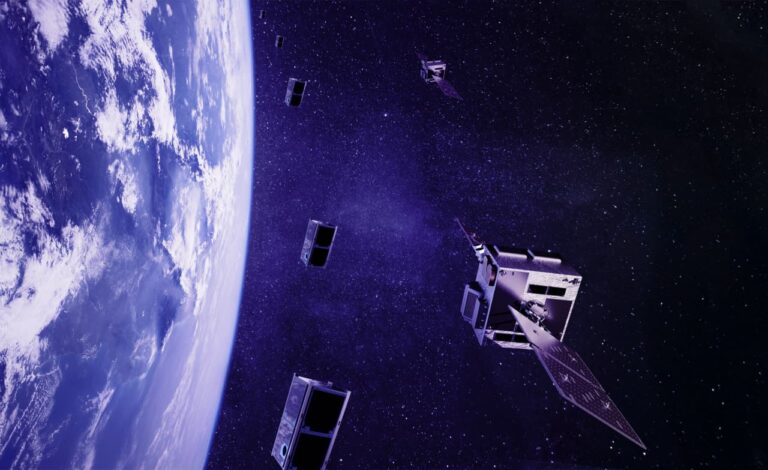
Voyager Technologies has secured a contract from the US Space Force’s Space Systems Command to develop space-to-space communications technology aimed
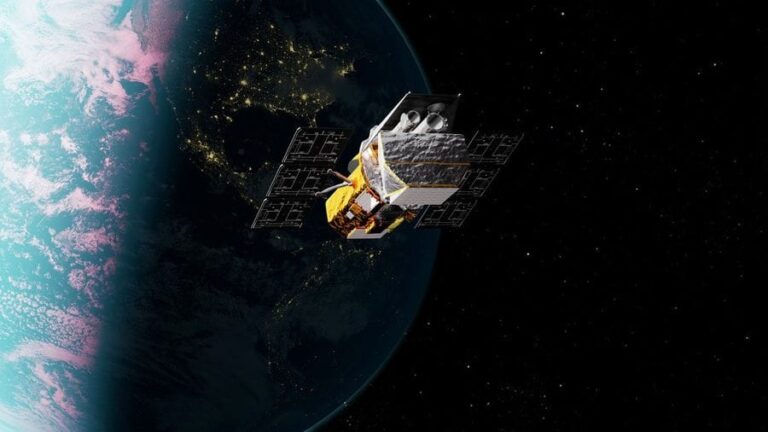
NASA and Katalyst Space have changed the plan for the LINK commercial spacecraft after an Cproblem prevented it from carrying
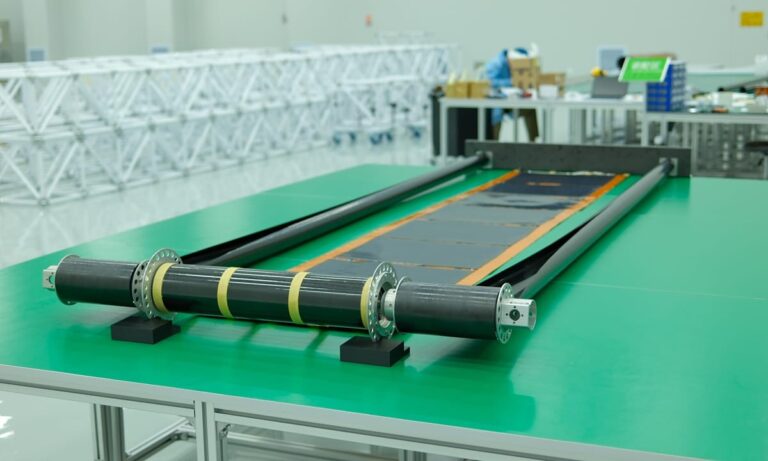
China is preparing to test a new type of rollable solar wing in orbit, marking a step toward lighter and
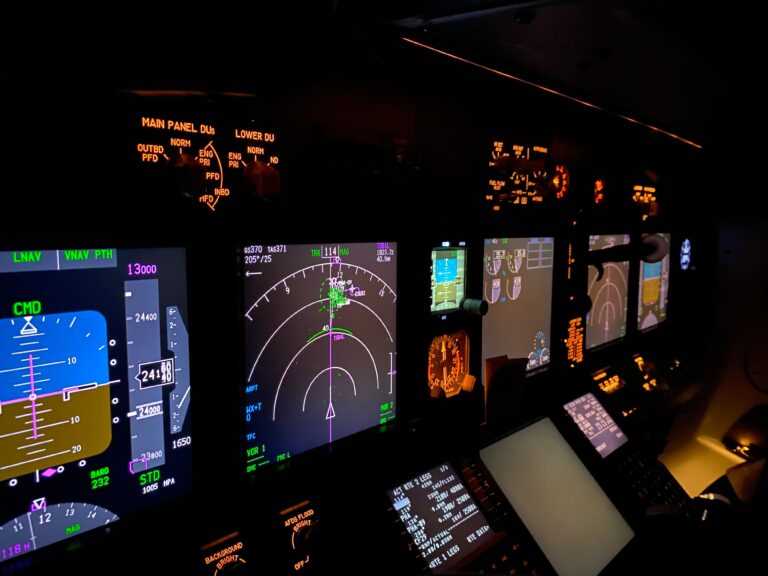
Firefly Aerospace’s SciTec has received a $93.7 million U.S. Space Force contract to advance ground-based radar digitization. The program will develop a common architecture and design for modernizing radar systems. The work builds on SciTec’s experience in missile warning, defense software and large-scale data processing, while supporting the Space Force’s effort to maintain and upgrade critical radar infrastructure.
MIT Lincoln Laboratory is developing LightHOUSE, a proposed satellite system that could bring GPS-like navigation to spacecraft traveling between Earth and the Moon. The concept would use high-orbit satellites, laser communications and star-based imaging to estimate spacecraft position and speed. If successful, it could reduce reliance on Earth-based tracking systems, save spacecraft fuel and support future lunar missions.