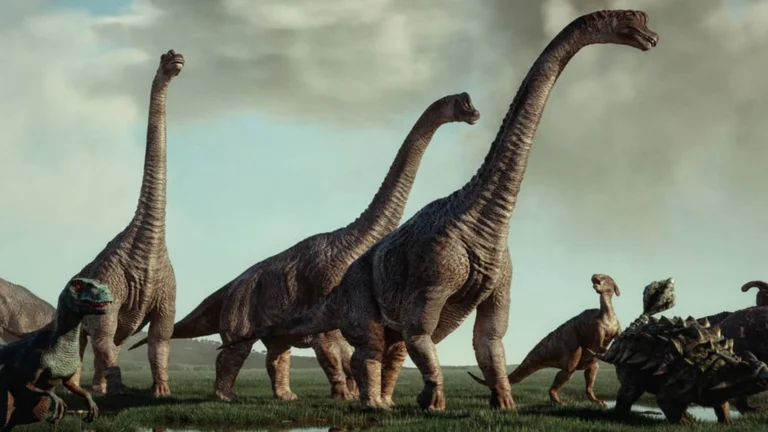
Fossils Uncover a 27-Meter Giant, the Largest Dinosaur Ever Found in Southeast Asia
Fossils of a massive new dinosaur species unearthed in Thailand have been identified as the largest ever discovered in Southeast

Fossils of a massive new dinosaur species unearthed in Thailand have been identified as the largest ever discovered in Southeast
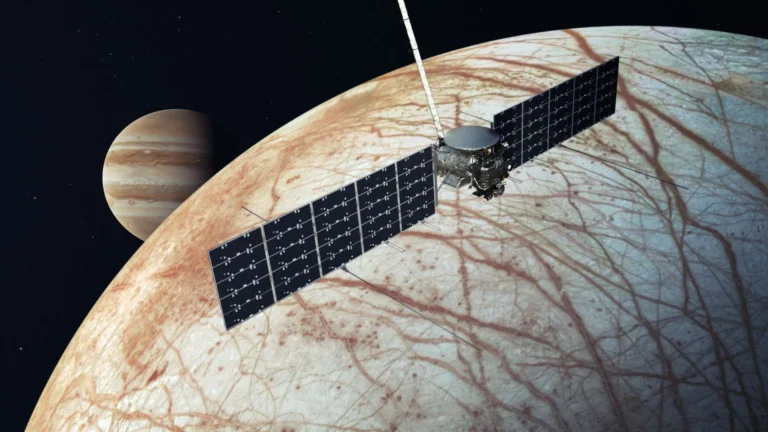
Scientists have proposed a new method to search for alien life by studying how biological molecules are organized rather than
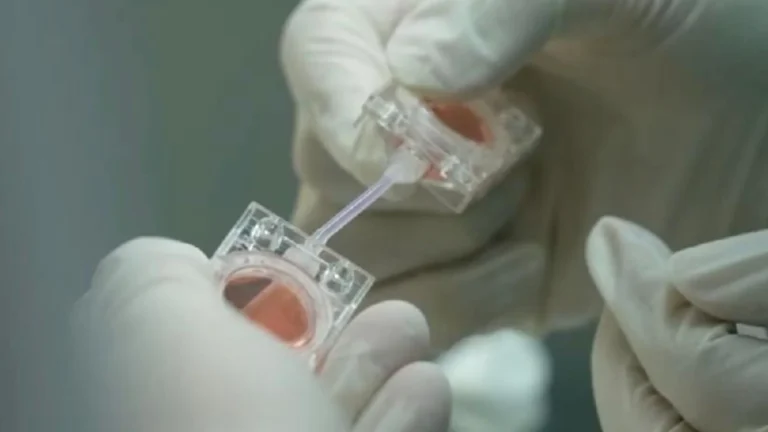
China has launched the world’s first artificial embryo experiment in space through its Tianzhou-10 cargo mission. Chinese researchers are sending
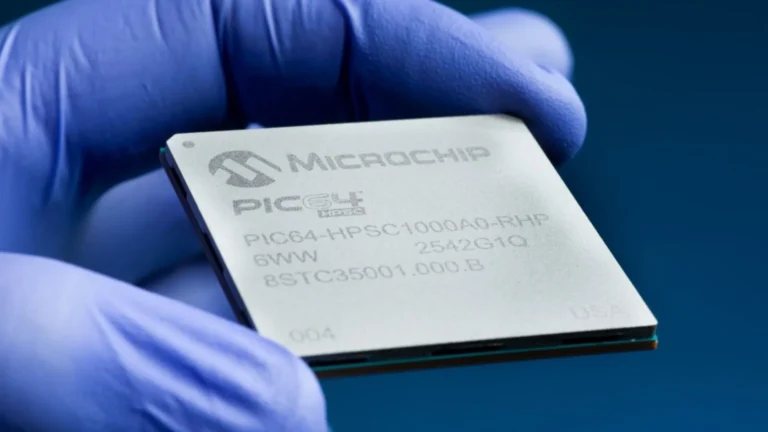
NASA has partnered with Microchip Technology to develop a new generation of spaceflight chips designed for future missions to the
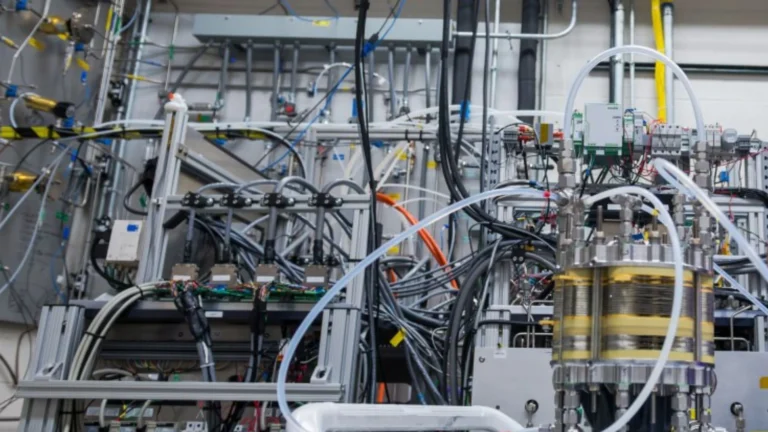
NASA researchers are preparing to test a massive regenerative fuel cell system that can play a key role in future
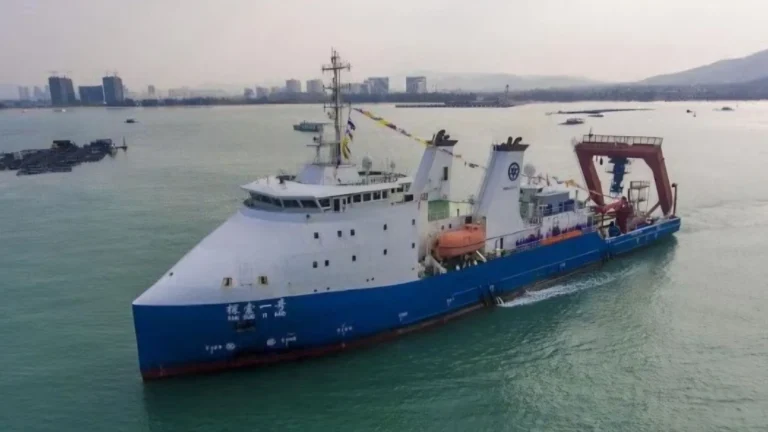
China’s research vessel Tansuo-1 arrived in Guangzhou after completing a 156-day deep-sea expedition across the Pacific Ocean. The mission was
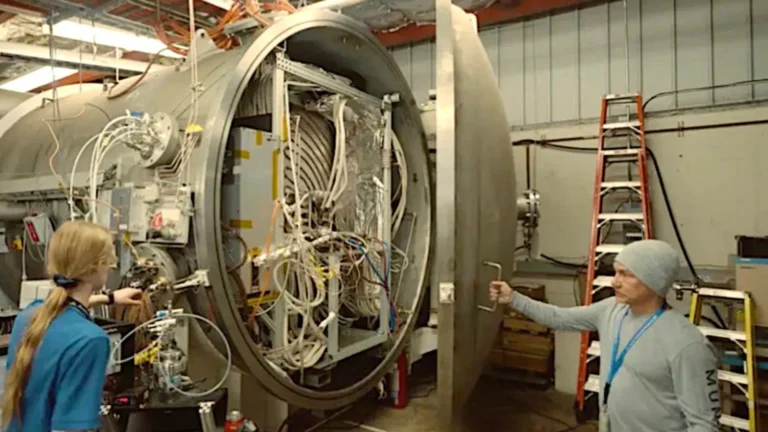
NASA has successfully tested a powerful new magnetoplasmadynamic (MPD) ion engine designed to support future human missions to Mars and
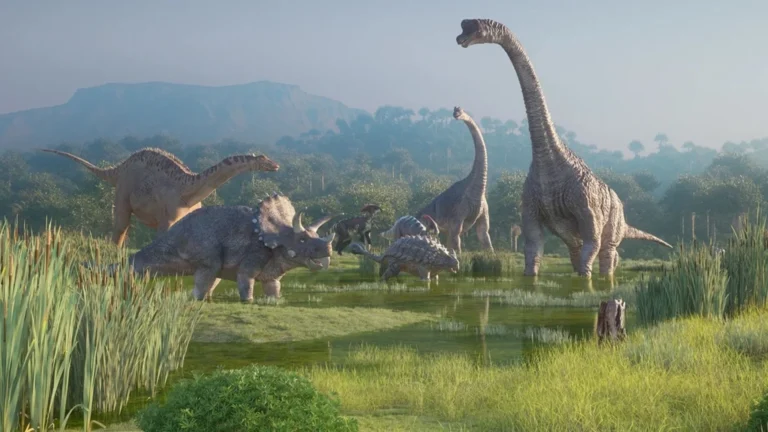
A new study suggests that young Maiasaura dinosaurs were fed softer, nutrient-rich food by their parents, much as modern birds
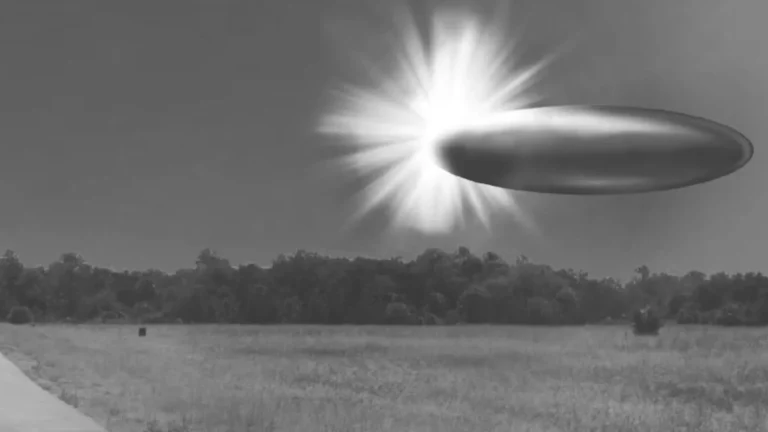
The US Department of Defense released 161 declassified files related to Unidentified Flying Objects(UFOs) and Unidentified Anomalous Phenomena(UAP) on Friday.
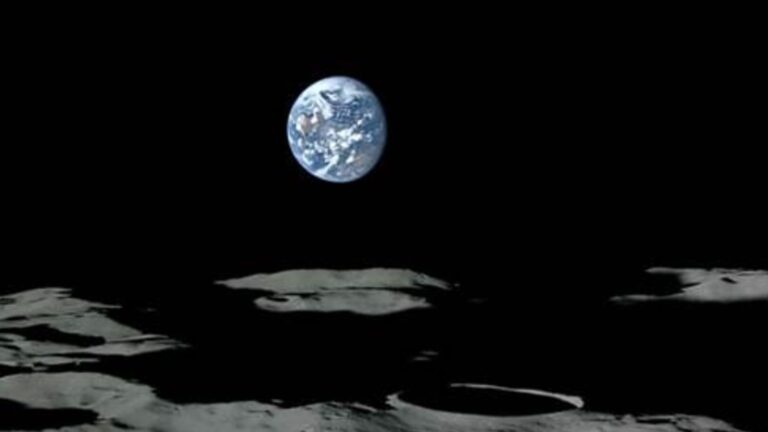
A new study suggests Artemis astronauts may find deep lunar material near the moon’s south pole, scattered by an ancient