Science

University at Buffalo professor Dr. Noreen von Cramon-Taubadel holds human mandible specimen for PLOS One study on chin evolution as evolutionary spandrel.

U.S. University at Buffalo Study Finds Human Chin Evolved as Evolutionary Accident, Not Adaptation

University at Buffalo anthropologist Dr. Noreen von Cramon-Taubadel and team have shown the human chin—unique to Homo sapiens—is an evolutionary spandrel, not an adaptation for chewing or speech. Published in PLOS One, the study tested neutral evolution against selection models and found chin traits fit the byproduct hypothesis. The research challenges adaptationist assumptions and reframes how distinctive fossil features are interpreted.

Read More...
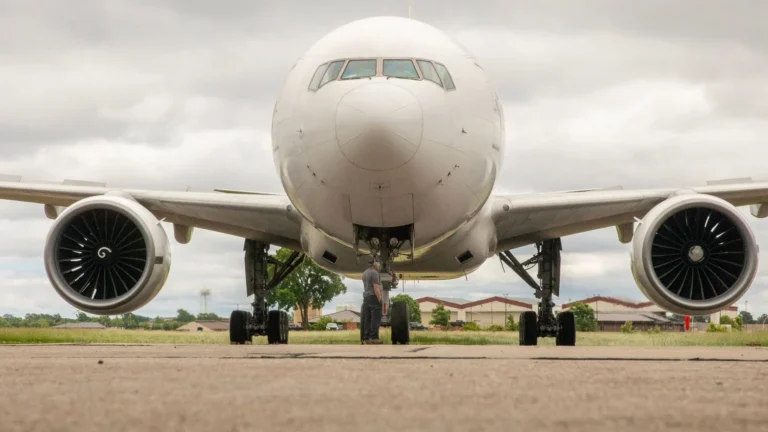
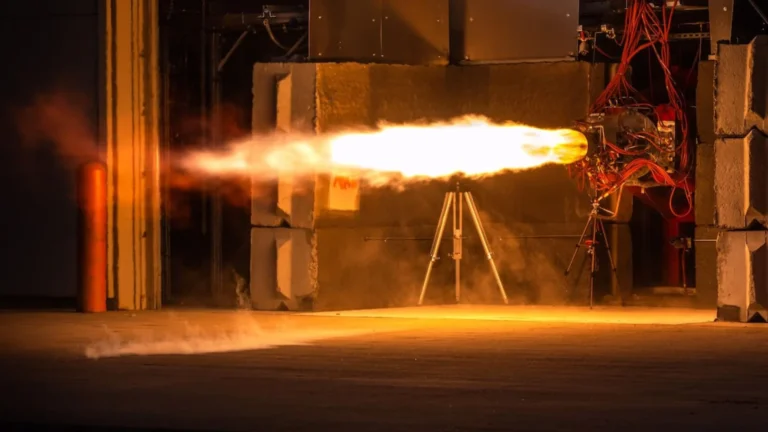
ArianeGroup Ariane 64 rocket assembly Les Mureaux France with Vulcain 2.1 engine and four P120C boosters for February 2026 Kourou launch.

Europe’s ArianeGroup Prepares Ariane 64 Rocket for Historic Maiden Launch from French Guiana

ArianeGroup is set to launch the first four‑booster Ariane 64 on February 12, 2026, from French Guiana, deploying 32 Amazon Kuiper satellites. Twice as powerful as Ariane 62, the €4 billion program involves 13 ESA nations and 600 subcontractors. CTO Hervé Gilibert called it “something new for us on Ariane 6” as Europe challenges SpaceX with halved operating costs and a 30‑launch order book.

Read More...
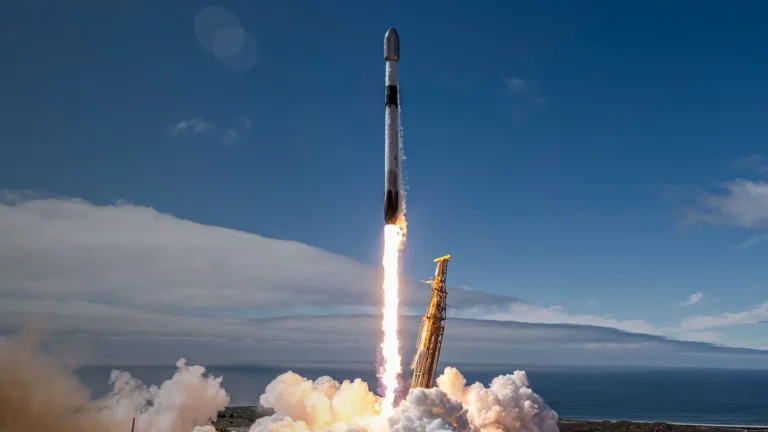
Cornell University Dr. Rosa Santomartino prepares BioAsteroid microbial biomining experiment samples for International Space Station launch.

U.S. and UK Researchers Prove Microbes Can Extract Palladium from Meteorites in Space Aboard ISS

Cornell and University of Edinburgh researchers have demonstrated that Penicillium simplicissimum fungus can extract palladium from meteorites aboard the ISS under microgravity. The BioAsteroid experiment, led by Dr. Rosa Santomartino and Professor Charles Cockell and published in npj Microgravity, found enhanced carboxylic acid production in space while nonbiological leaching faltered. The work proves biological in‑situ resource utilization is feasible for future asteroid mining.

Read More...
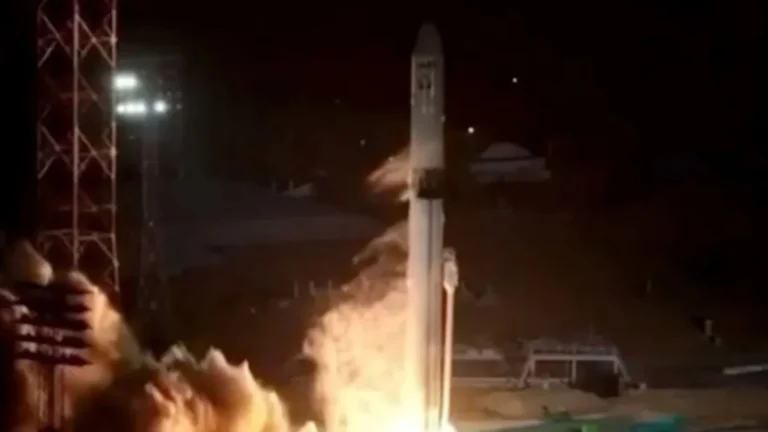
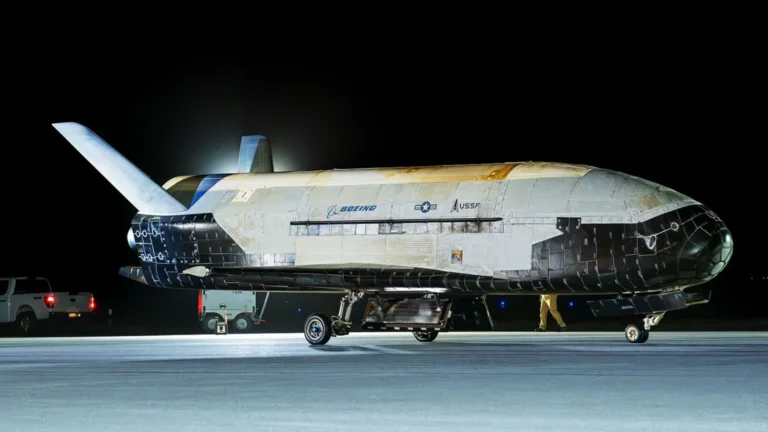
China Manned Space Agency Long March 10 reusable booster propulsive landing South China Sea after Mengzhou launch abort test.

China’s CMSA Tests Long March 10 Reusable Booster and Mengzhou Spacecraft in Single Dramatic Flight

China Manned Space Agency executed a historic dual-purpose test of the Long March 10 reusable booster and Mengzhou spacecraft on February 10, 2026, from Wenchang. The capsule successfully aborted at Max-Q, while the booster reignited its YF-100 engines for a pinpoint propulsive ocean landing—China’s most advanced reusable rocket demonstration to date, accelerating the 2030 lunar landing goal.

Read More...

China’s Peking University Builds World’s First Large-Scale Quantum Key Distribution Network Using Photonic Chips

Peking University’s Professor Wang Jianwei and Academician Gong Qihuang have built the world’s first large-scale quantum key distribution network using integrated photonic quantum chips. Published in Nature, the system connects 20 users across 3,700 kilometers, overcoming a two-decade barrier to miniaturization and proving quantum communication can move from optical benches to mass-producible silicon.

Read More...

China’s Peking University Scientists Find Earth’s Core May Hold 9 Times More Hydrogen Than All Oceans

Peking University’s Dr. Dongyang Huang and colleagues have discovered Earth’s core may contain 9 to 45 times the hydrogen volume of all surface oceans—0.07% to 0.36% of core weight. Using atom probe tomography, the Nature Communications study suggests Earth acquired its water during formation, not from comets, reshaping our understanding of planetary habitability.

Read More...