Can Wooden Satellite Reduce Space Junk and Save Earth?
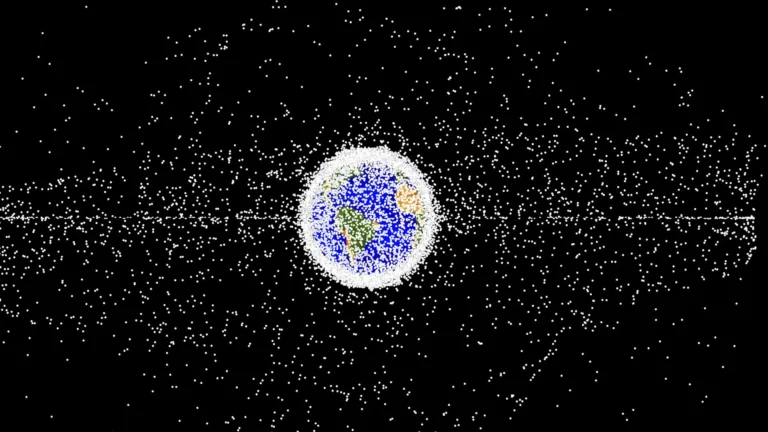
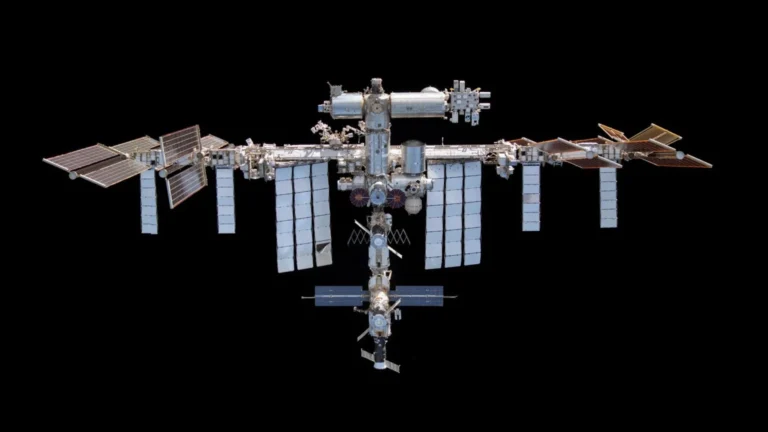
Researchers at Kyoto University, in partnership with Sumitomo Forestry, have developed the world’s first wooden satellite. The satellite, named LignoSat,

Researchers at Kyoto University, in partnership with Sumitomo Forestry, have developed the world’s first wooden satellite. The satellite, named LignoSat,

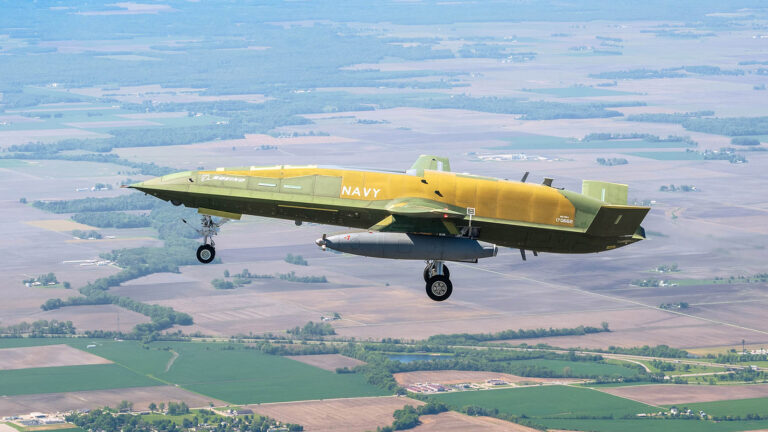
GA-ASI MQ-9B SkyGuardian, MQ-9B SeaGuardian with missiles, armed drone concept, long-range strike drone, unmanned aircraft Pacific operations, Predator series drone, General Atomics test flight

MIT researchers have built a navigation system that helps drivers find parking instead of just reaching their destination. The system directs users to the lot with the best chance of an open spot, considering drive time, walk time, and success probability. In tests using Seattle traffic data, the approach saved drivers up to 35 minutes compared to waiting for the closest lot. The system could reduce congestion and emissions while giving drivers realistic travel time estimates.

Researchers at the University of Waterloo have discovered a way to turn plastic waste into acetic acid, the main ingredient in vinegar, using only sunlight. The process breaks down common plastics through a chemical reaction sparked by sunlight, offering a new approach to fighting plastic pollution while creating a useful product. The method works on mixed plastics and could lead to solar-powered recycling systems.

NASA has given its Perseverance Mars rover a new navigation system that works like GPS, letting it pinpoint its location without waiting for instructions from Earth. The software matches the rover’s panoramic images to orbital terrain maps in about two minutes, ending its reliance on daily check-ins with human controllers millions of miles away. The upgrade allows much longer drives and more science.

Engineers at UNSW Sydney have developed a method to create urea fertiliser by combining waste carbon dioxide with nitrogen pollutants using renewable electricity. The process avoids the fossil-fuel-intensive methods currently used to produce fertiliser for more than half the world’s population. If scaled up, the technology could help Australia produce its own clean fertiliser while cutting emissions and cleaning waterways.

NASA satellite technology helped guide the return of 158 giant tortoises to Floreana Island in the Galápagos, where the species vanished 150 years ago. Scientists used data from Landsat and other missions to map ideal release spots for the animals, which once shaped the island’s ecosystem. The rewilding project could serve as a model for future restoration efforts worldwide.

China’s mysterious reusable space plane has returned to orbit, igniting fresh debate over its purpose and long-term ambitions in space.

Chinese Academy of Sciences researchers have directly observed and manipulated prethermalisation, a stable phase before quantum systems descend into chaos. Using the 78-qubit Chuang-tzu 2.0 processor, the team led by Fan Heng can lengthen or shorten this information-preserving window. The breakthrough offers new possibilities for quantum error correction and extending the lifetime of quantum states, bringing practical quantum computing closer to reality.

NASA has officially ruled out its March 6 launch window for the much-anticipated Artemis II mission. This decision followed engineers’
We uphold the highest standards of journalistic integrity and ethical reporting, ensuring that truth and transparency prevail in all our content.
contact@modernmechanics24.com