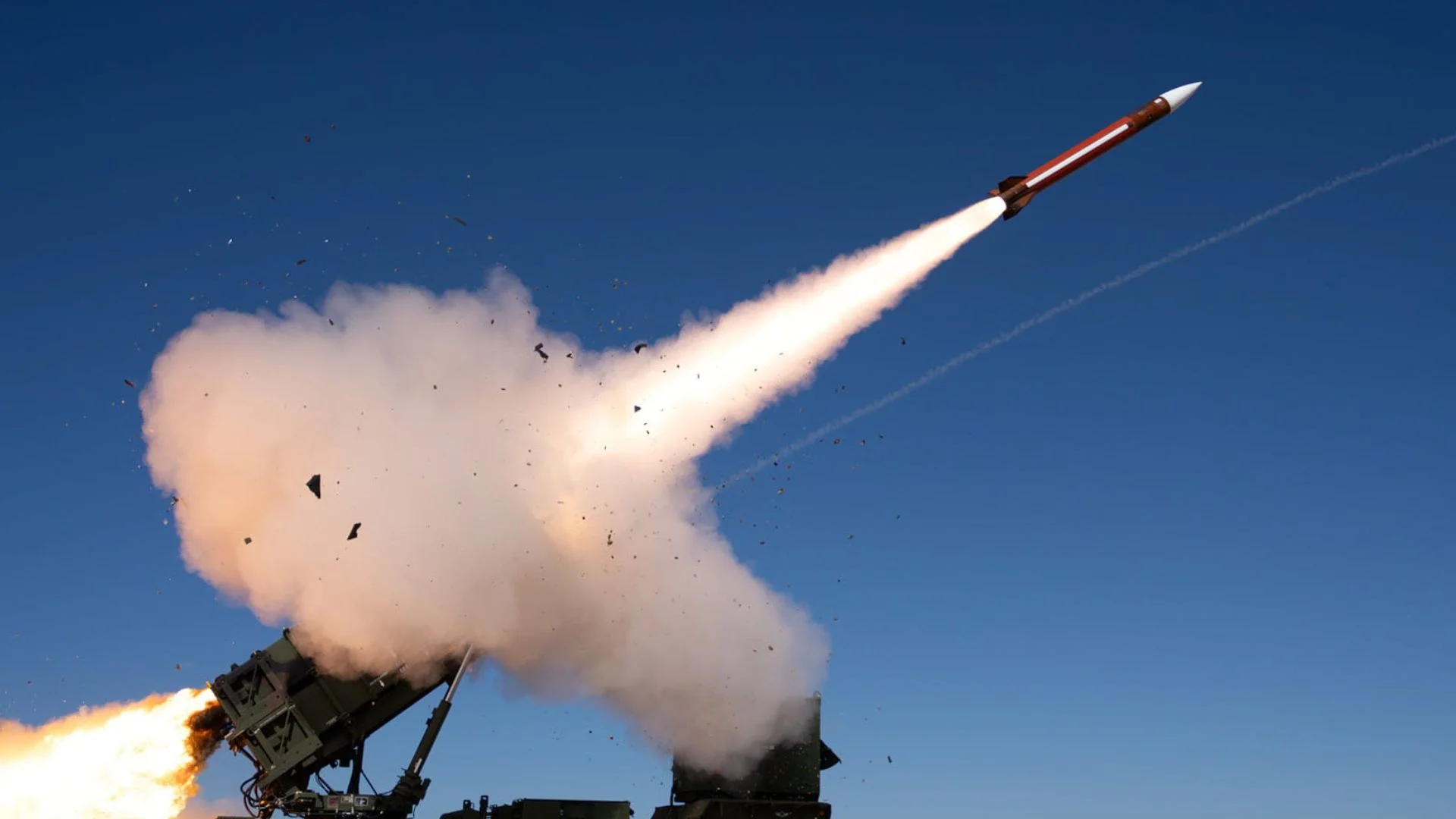
The US has approved a $4.01 billion deal to supply Qatar with around 500 Patriot missile interceptors.
The agreement aims to restore the country’s air defense capacity after months of heightened regional tensions. It strengthens protection for key infrastructure and military facilities against missile and air attacks.
The approval comes at a time when Gulf states are reassessing their defenses against modern threats. Missile and drone attacks have become more frequent and complex in recent conflicts. Countries in the region are now focusing on building deeper and more resilient defense systems.
The new package is designed to address an important issue in air defense systems known as ‘magazine depth.’ This refers to the number of interceptors available to respond to repeated or large-scale attacks. Without enough interceptors, even advanced systems risk being overwhelmed.
READ ALSO: Humanoid Robot Bebop Triggers Flight Delay Over Battery Rules at California Airport
Qatar’s replenishment order focuses on restoring this depth. It ensures the country can respond to saturation attacks, in which multiple missiles or drones are launched simultaneously. These types of attacks are increasingly used to test and strain defensive systems.
Qatar first joined the Patriot missile network through a major US arms deal announced in 2012. That agreement included advanced radar systems, launchers, and hundreds of interceptors. It was valued at nearly $9.9 billion and formed the backbone of Qatar’s air defense.
The earlier package included 11 fire units and multiple radar and control systems. It also provided a mix of missile types designed for different threats. These systems were deployed to protect key areas, including Doha, energy facilities, and military bases.
WATCH ALSO: This Microsoft AI Could Change Cancer Treatment Forever
Among the most important components in Qatar’s inventory is the PAC-3 Missile Segment Enhancement interceptor. This missile is designed to directly hit incoming threats rather than explode nearby. This ‘hit-to-kill’ method increases accuracy and effectiveness against fast-moving targets.
Qatar expanded its PAC-3 capabilities in 2015. The upgrade included 300 PAC-3 MSE missiles and modifications to its launch systems. These changes improved the system’s ability to handle advanced missile threats.
The PAC-3 MSE uses a two-stage rocket motor. This allows it to travel farther and maneuver more effectively during the final phase of interception. It is especially useful against ballistic missiles that move at high speeds and steep angles.
Another key element of the system is the M903 launcher. This launcher can carry up to 12 PAC-3 MSE interceptors at once. It also supports mixed loads, allowing operators to deploy different missile types based on the threat.
READ ALSO: RHIB Fleet Surge: US Navy’s $650M Deal for 474 Boats to Control Coastal Waters
This flexibility is important during complex attacks. Commanders can choose the most suitable interceptor for each target. It also increases the number of available shots from a single launcher position.
Qatar also continues to rely on the GEM-T interceptor. This missile uses a blast-fragmentation approach rather than a direct-impact approach. It is effective against aircraft, cruise missiles, and some ballistic threats.
The GEM-T has improved sensors and fusion systems. These enhancements allow it to detect and respond to smaller or faster targets. It works alongside PAC-3 MSE to provide layered defense coverage.
These missiles form a complementary system. GEM-T offers broader coverage against a range of threats, while PAC-3 MSE focuses on the precise interception of high-end ballistic missiles. This combination improves overall defense effectiveness.
The replenishment deal strengthens Qatar’s defense at multiple levels. At the national level, it protects fixed assets such as energy facilities and command centers. These locations cannot be easily moved or hidden.
At the tactical level, it allows air defense units to sustain repeated engagements. This is important during prolonged attacks involving multiple waves of missiles or drones. It ensures that defenses remain active throughout a conflict.
WATCH ALSO: From Ice to Innovation: US Coast Guard Deploys Drones in Antarctic Mission
Qatar’s geographic position increases its vulnerability. The country is located near Iran and the Strait of Hormuz, a key global energy route. It also hosts major military facilities, including Al Udeid Air Base.
Al Udeid is a central hub for US and coalition operations in the region. Its presence makes Qatar strategically important but also a potential target during conflicts. This underscores the urgency of maintaining strong defensive systems.
Recent events have highlighted these risks. In early 2026, regional tensions escalated following US and Israeli strikes on Iran. Iran responded with attacks targeting Israel and Gulf states hosting US forces.
These developments exposed the high demand placed on air defense systems. Sustained operations can quickly reduce interceptor stockpiles. Replenishment becomes necessary to maintain readiness.
Qatar addressed concerns about its inventory earlier this year. Officials denied reports that its interceptor reserves had been depleted. They stated that the country remained prepared and capable of defending itself.
However, the new deal shows the importance of maintaining strong reserves. Even if stockpiles are not exhausted, replenishment prevents future shortages. It ensures continued operational readiness.
READ ALSO: Defying Gravity: Fruit Flies Survive and Thrive Under Intense Hypergravity Forces
There are also economic considerations. Patriot interceptors are expensive and cannot be used for every threat. Smaller drones or low-cost targets require different, more affordable solutions.
This has led to a layered defense approach. Qatar is likely to combine Patriot systems with shorter-range defenses and electronic warfare tools. Passive measures such as hardened shelters and dispersal also play a role.
The industrial side of the deal is equally important. Defense companies are facing high demand due to global conflicts and increased military spending. Production capacity for advanced interceptors remains under pressure.
Qatar’s order secures its place in this supply chain. It ensures timely delivery despite competing demands from other countries. Availability of interceptors is now a key factor in national security planning.
The deal also reflects the broader US strategy in the region. Washington aims to integrate Gulf partners into a coordinated air defense network. This approach improves interoperability and collective security.
For Qatar, the agreement reinforces its role as a key regional partner. It signals a commitment to maintaining strong defenses while avoiding escalation. The country continues to balance military readiness with diplomatic efforts.
The replenishment is more than a routine purchase. It represents a shift in how countries prepare for modern warfare. In future conflicts, the ability to sustain defense operations over time may be as important as the technology itself.