China’s race to build advanced artificial intelligence chip is quietly gaining pace, with a relatively unknown startup now drawing attention.
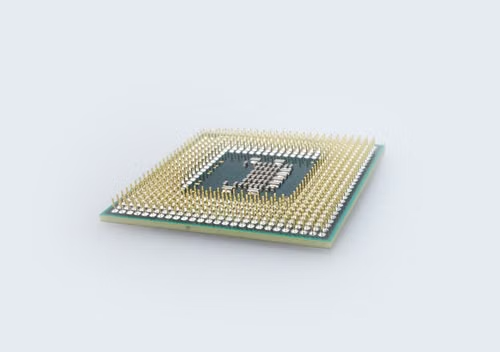
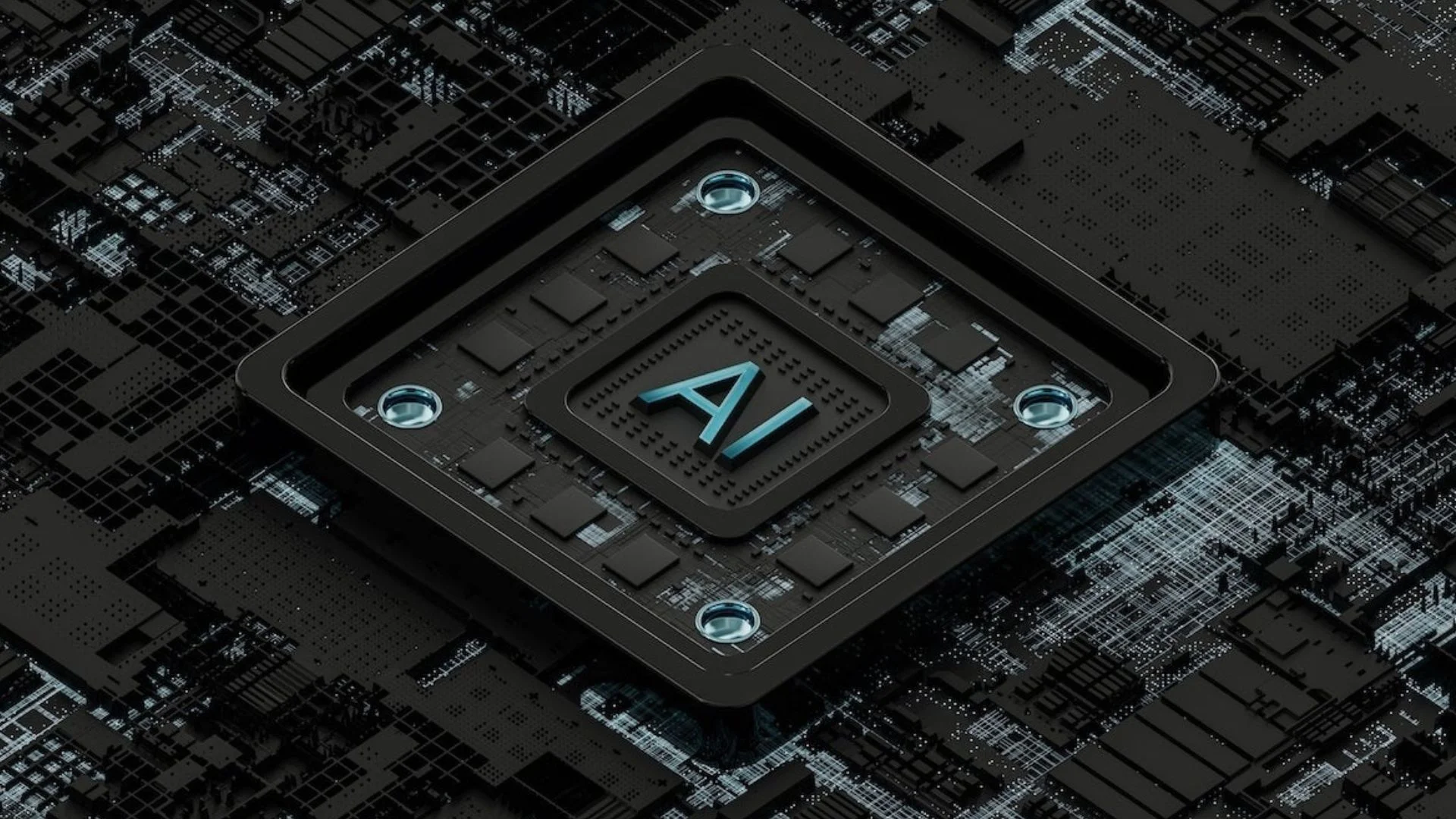
Shanghai-based Dishan Technology is moving forward with its first 2-nanometre AI chip design, signaling a new step in the country’s effort to reduce dependence on foreign technology.
According to local media reports, the company has entered a critical stage known as prototype verification for its 2nm graphics processing unit (GPU). This stage is essential before the chip design can move toward manufacturing.
Dishan first revealed this GPU project in July last year, describing it as a key milestone in its development journey.
READ ALSO: MIT Quantum Sensor Reads Multiple Signals Together: Changing How We Measure Reality
The company says the new chip is designed to deliver major improvements in energy efficiency. It is expected to consume about 40 percent less power compared to earlier designs.
This gain comes from a mix of advanced technologies, including a hybrid FinFET and gate-all-around (GAA) process. The chip also uses a chiplet-based architecture, combining smaller components into a larger system for better performance and flexibility.
Dishan is also working to make its chip compatible with Compute Unified Device Architecture(CUDA), a widely used computing platform developed by Nvidia. This step is important because CUDA is deeply embedded in the global AI ecosystem.
To achieve this, the company is improving its software tools, including compilers that support CUDA-based systems.
The development reflects China’s broader push to become self-reliant in high-end semiconductor technology.
WATCH ALSO: YouTuber captures lightning in a bottle during stunning experiment
This push has intensified as tensions between China and the US continue to affect access to advanced chipmaking tools and technologies. While Dishan’s progress is notable, it comes at a time when global competition in AI chips is becoming sharper.
Meanwhile, Nvidia is also looking to strengthen its position in China. The company is reportedly planning to re-enter the Chinese market with its H200 processor, one of its most powerful AI chips to date. This adds another layer of competition as domestic players try to catch up with global leaders.
Despite the progress, Dishan’s chip is still some distance away from real-world use. The design has not yet reached the ‘tapeout’ stage, which is the final step before a chip is sent for manufacturing. It is believed that it could take one to two more years before the chip is ready for large-scale production and commercial use.
The company itself remains relatively low-profile. Founded in 2021, Dishan has not received widespread media coverage.
However, its website shows that its research team includes several fellows from the Institute of Electrical and Electronics Engineers, as well as experts affiliated with China’s national talent programs. These credentials suggest a strong technical foundation behind the project.
READ ALSO: Seawater Hydrogen Puzzle Solved? China Maps Entire Chain From Lab to Ocean
Dishan has clearly stated its long-term goal: to build an independent and reliable semiconductor capability within China. But turning advanced chip designs into actual products remains a major challenge. One key issue is manufacturing.
China currently faces strict US export controls that limit access to advanced chipmaking equipment. These restrictions make it difficult to produce chips at cutting-edge nodes like 2nm.
Even Semiconductor Manufacturing International Corporation (SMIC), the country’s leading contract chip manufacturer, has struggled to move from 7nm to 5nm technology, according to industry reports.
Another major player, Huawei Technologies, has also faced similar challenges. Reports suggest that many of its advanced chips were produced using older stockpiled resources or external channels before tighter sanctions came into effect. Huawei has since increased collaboration with SMIC, but progress remains gradual.
For Dishan, the road ahead includes several technical and logistical hurdles. These include improving production yields, ensuring compatibility with electronic design automation tools, and managing supply chain constraints caused by international restrictions.
WATCH ALSO: Humanoid robot folds towel autonomously after observing human
The company is already taking steps to address these issues. Reports indicate that Dishan is focusing on optimizing its design to reduce risks at both tapeout and production. These efforts are crucial if the company hopes to turn its promising design into a viable commercial product.
While it is still early, Dishan’s progress highlights the emergence of new players in the global semiconductor race. Whether it can successfully move from design to production will be a key test not just for the company, but for China’s broader ambitions in advanced chip technology.