Researchers at the University of Birmingham have developed a new method to produce hydrogen at significantly lower temperatures, delivering a more cost-effective alternative to existing technologies.
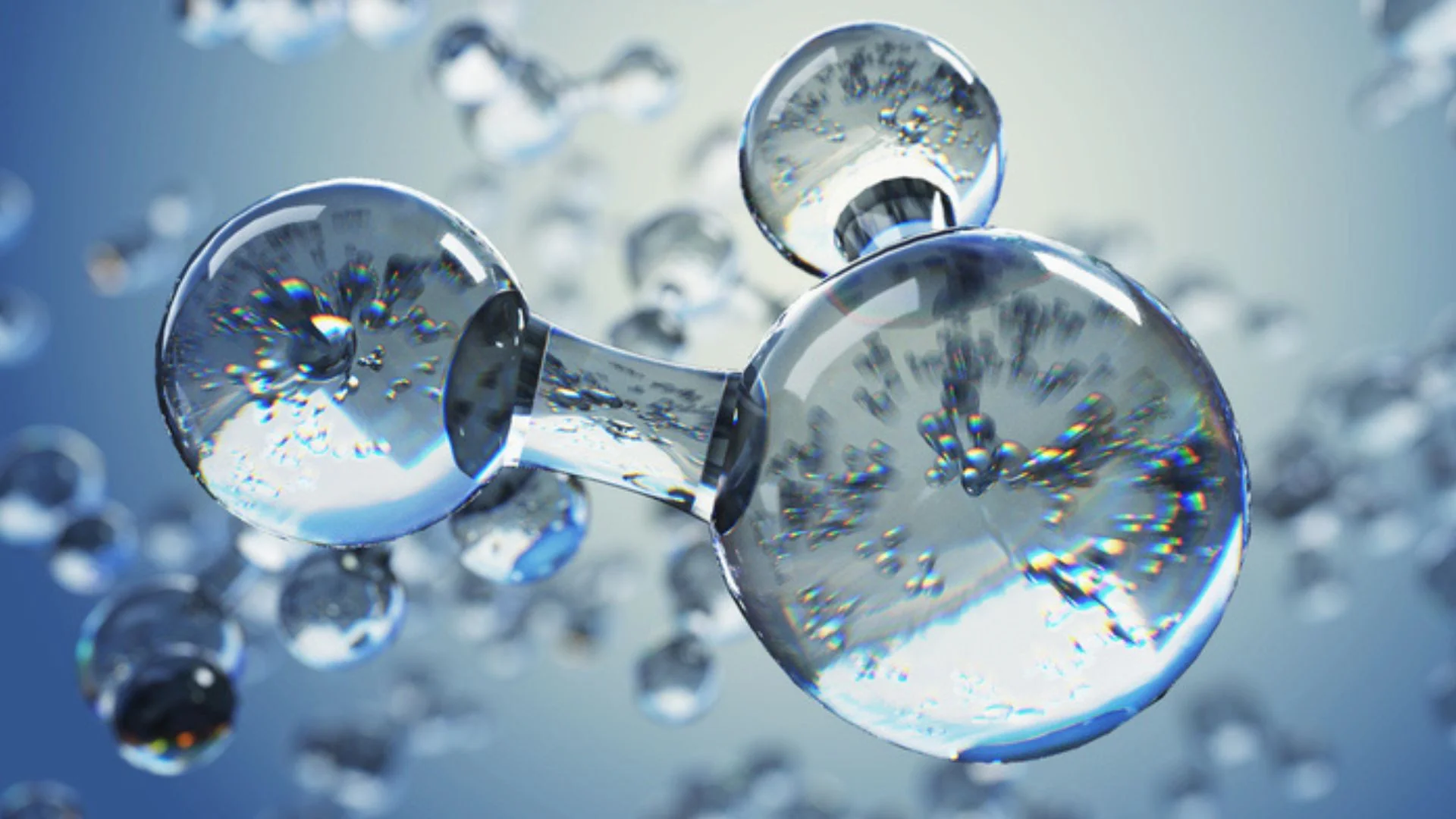
The study shows that hydrogen can now be generated using a novel catalyst that operates at much lower heat levels than traditional systems. This approach may support both large-scale production and local hydrogen generation using industrial waste heat.
Hydrogen is widely seen as a clean energy carrier because it produces only water and heat when used as fuel. It can also power fuel cells to generate electricity without releasing carbon dioxide. However, most hydrogen produced today still depends on fossil fuels, which reduces its environmental benefits.
Current hydrogen production methods rely heavily on processes such as steam-methane reforming. This method splits methane into hydrogen and carbon dioxide, making it less environmentally friendly unless paired with carbon capture systems. As a result, cleaner alternatives have gained attention but often face challenges related to cost and capability.
READ ALSO: This Raytheon Camera Sees Heat Changes First, Targets Can’t Stay Hidden
One such alternative is thermochemical water splitting, which uses heat and catalysts to separate water into hydrogen and oxygen. Although promising, existing systems require extremely high temperatures ranging from 700 to 1500 degrees Celsius. These energy-intensive demands make the process expensive and difficult to scale.
The Birmingham research team has addressed this issue by introducing a perovskite-based catalyst. Their findings show that hydrogen can be produced at temperatures between 150 and 500 degrees Celsius. This represents a reduction of up to 500 degrees compared to usual methods.
The catalyst can also be regenerated at lower temperatures, between 700 and 1000 degrees Celsius. This step is essential because it restores the material’s ability to split water repeatedly. Lower regeneration temperatures further reduce the overall energy requirement of the process.
The study, published in the International Journal of Hydrogen Energy, demonstrates that the catalyst maintains its performance over multiple cycles. Tests showed stable hydrogen production across at least ten cycles. Structural analysis also confirmed that the material remained largely unchanged during use.
WATCH ALSO: Drum-shaped antenna reflector on NASA-ISRO NISAR satellite deployed
The key material used in this research is a perovskite containing barium, niobium, calcium, and iron. Such elements are relatively abundant and do not involve toxic substances or complex manufacturing steps. This makes the catalyst more practical for large-scale adoption.
Perovskites are known for their ability to absorb and release oxygen within their structure. This property allows them to break down water molecules into hydrogen and oxygen efficiently. The researchers identified a specific composition, called BNCF100, as the most effective version for this process.
One major advantage of this method is its ability to use waste heat from industrial operations. Industries such as steel, cement, glass, and chemicals produce large amounts of unused heat during their processes. This excess heat can now be redirected to generate hydrogen, improving overall energy efficiency.
Producing hydrogen close to where it is used also reduces the need for transport and storage infrastructure. Hydrogen is difficult to store and move due to its low density and high flammability. Local production helps overcome these logistical problems and lowers associated costs.
READ ALSO: Tufts University Creates Color-Changing Paint That Measures Impact Force Without Sensors
A preliminary economic analysis shows that this method can produce hydrogen at a lower cost than both green and blue hydrogen. Green hydrogen produced by electrolysis depends heavily on electricity prices. Blue hydrogen, produced from methane with carbon capture, still relies on fossil fuels and incurs additional processing costs.
The cost advantage appears strongest within areas where renewable energy is already affordable. Countries with lower electricity tariffs might benefit more from this low-temperature approach. This could make hydrogen more competitive as a mainstream energy source.
The research was carried out in collaboration with the University of Science and Technology Beijing. Efforts are now underway to commercialize the technology in the United Kingdom and across Europe. A patent application has been filed to protect the use of this catalyst in low-temperature water splitting.
The University of Birmingham is currently seeking industry partners to further develop and scale the technology. Commercial deployment will depend on continued testing, investment, and integration alongside existing energy systems. If successful, the method could help expand hydrogen use across multiple sectors.
WATCH ALSO: NASA rover discovered ancient microbial life signature on Mars
Hydrogen demand is expected to grow as countries work to reduce emissions and shift to cleaner energy sources. New production methods that lower costs and energy use are critical for this transition. This development points to a time when hydrogen can be produced more efficiently and used more widely across industries.