Energy

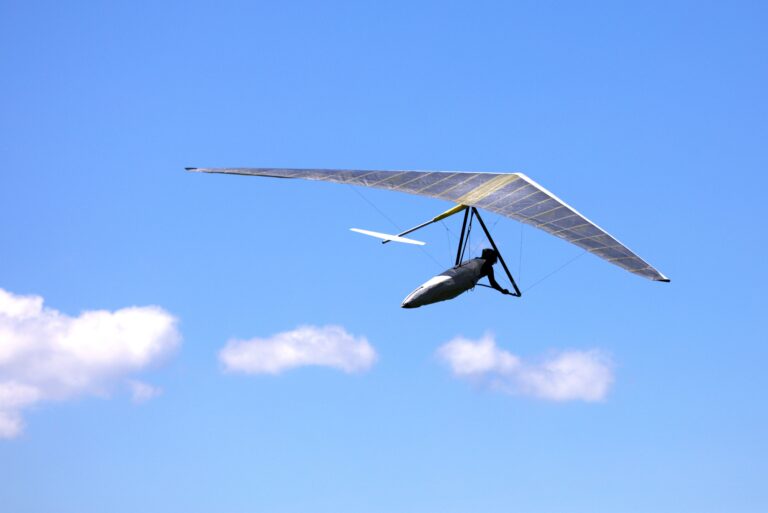
China's S4000 airborne wind energy system flying at high altitude during a wind power test.

China’s Upgraded High-Altitude Wind Power Project Completes Test, Targeting Clean Energy From the Stratosphere

China has completed a full flight test of its upgraded S4000 Stratosphere Airborne Wind Energy System. The system uses a flying device to capture high-altitude wind and generate electricity. Its maximum operating altitude reaches 4,000 meters, and it has a planned service life of 20 years. The test covered ascent, station-keeping, power generation, and recovery, bringing the technology closer to engineering deployment.

Read More...
Microreactor Sites

Utah and Deployable Energy Explore Nuclear Microreactor Sites

Deployable Energy has signed an MOU with Utah’s Office of Energy Development to explore possible sites for its Unity Nuclear Battery. The compact nuclear microreactor is designed to deliver 1 MWe of electricity and fit inside a standard 20-foot shipping container. The agreement will support information sharing and feasibility studies as Utah examines new options for reliable and flexible energy.

Read More...

U.S. EIC Project Completes First Detector Crystal Procurement

The U.S. Electron-Ion Collider project has completed its first long-lead equipment purchase, receiving 1,069 lead-tungstate crystals for the ePIC detector. The crystals will form a key part of the EEEMCAL calorimeter, which will measure scattered electrons from collisions. The milestone moves the detector project forward as researchers prepare to use the EIC to study the structure of protons, neutrons and other matter.

Read More...
quantum matter

ORNL Physicist Builds New Detectors to Study Quantum Matter

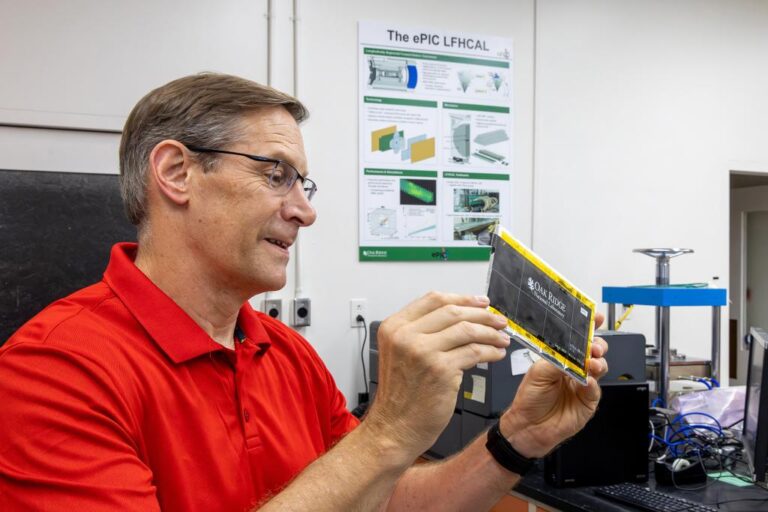
ORNL physicist John Lajoie is developing advanced detector technologies for the future Electron-Ion Collider. His work focuses on capturing and processing signals from particle collisions to help scientists study quarks, gluons and the structure of matter. The ePIC detector will use continuous data collection and may rely on AI and machine learning to process important signals in real time.

Read More...
Superconductivity

China’s Researchers Boost Superconductivity Using Quantum Vacuum Effects

Researchers from the University of Science and Technology of China and partner institutions have demonstrated a new way to strengthen superconductivity using engineered vacuum fluctuations. By placing NbSe₂ inside a terahertz dark cavity, the team increased its critical temperature by up to 5.4%. The result could open a new approach to controlling quantum materials without directly applying an external driving signal.

Read More...
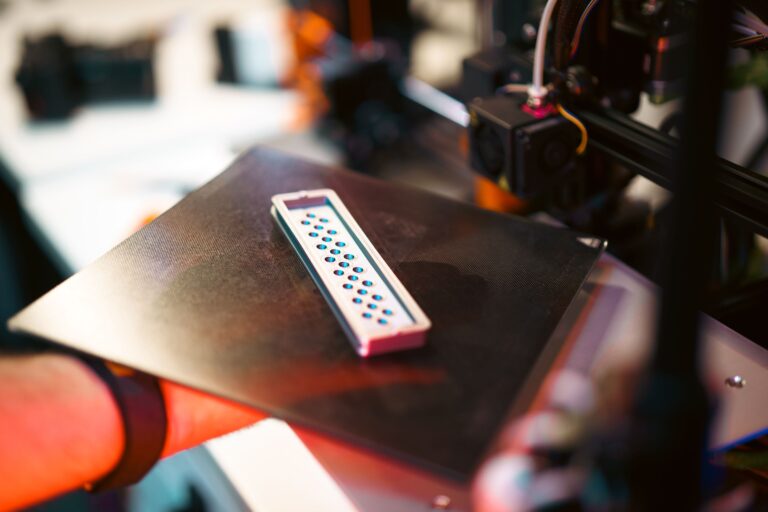
3D-printed ceramic waveguide designed to guide light for high-power laser applications.

LLNL Builds 3D-Printed Ceramic Waveguide Laser for Higher Power

Researchers at Lawrence Livermore National Laboratory have developed a 3D-printed ceramic waveguide for high-power lasers. The new design uses a ceramic structure instead of traditional glass and has demonstrated efficient laser performance. With further development, the team believes it could eventually produce more than 10 times the output power of glass fiber lasers while remaining compact.

Read More...

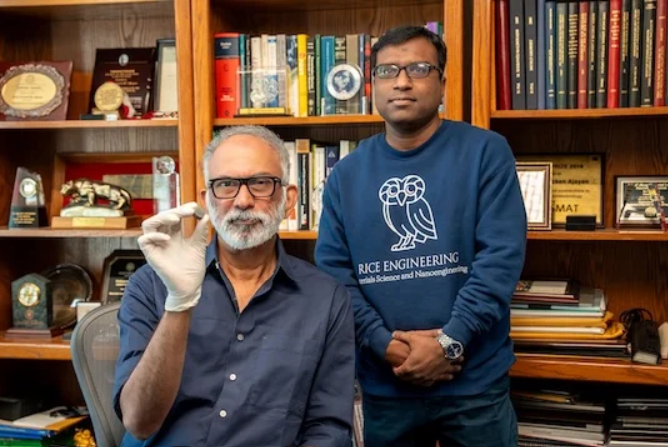
Rice University Develops Diamond Composite That Handles Extreme Impact

Rice University researchers have developed a new method for making bulk diamond composites at lower pressures. The material combines diamond grains with cubic boron nitride and cobalt. During high-speed impact tests, diamond inside the composite rapidly changed into graphite within microseconds, helping absorb some of the collision energy. The findings could support future materials for aerospace, defense and other demanding applications.

Read More...
Next Hydrogen electrolyser technology for a planned hydrogen fueling station in British Columbia.

Next Hydrogen Designs 10 MW Hydrogen Fueling Station in British Columbia

Next Hydrogen has completed the engineering design for a planned 10 MW hydrogen fueling station in British Columbia. The project is intended to support cleaner transportation, including medium- and heavy-duty vehicles. A final investment decision is expected by the end of 2026, with construction potentially starting in late 2027 or early 2028 if the project moves forward.

Read More...