World’s Tallest Dam Powers Up: China’s Shuangjiangkou Nears Full Hydropower Capacity
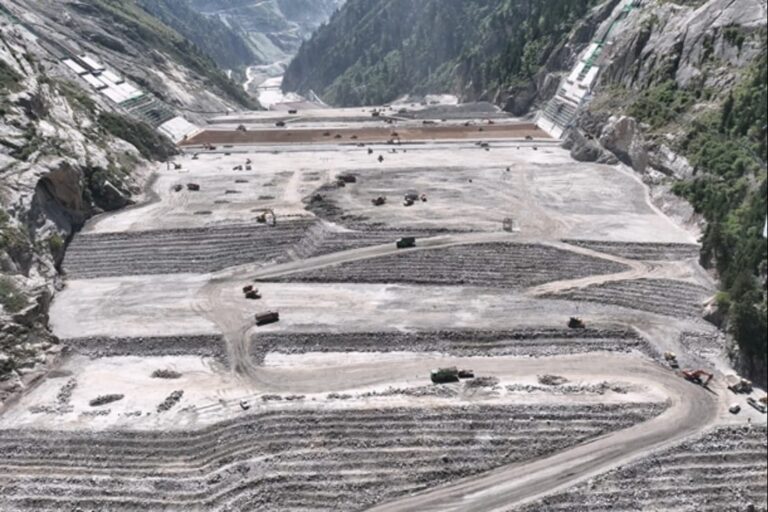
Three generating units at China’s Shuangjiangkou Hydropower Station in Sichuan province have entered operation, bringing the project built around the

Three generating units at China’s Shuangjiangkou Hydropower Station in Sichuan province have entered operation, bringing the project built around the
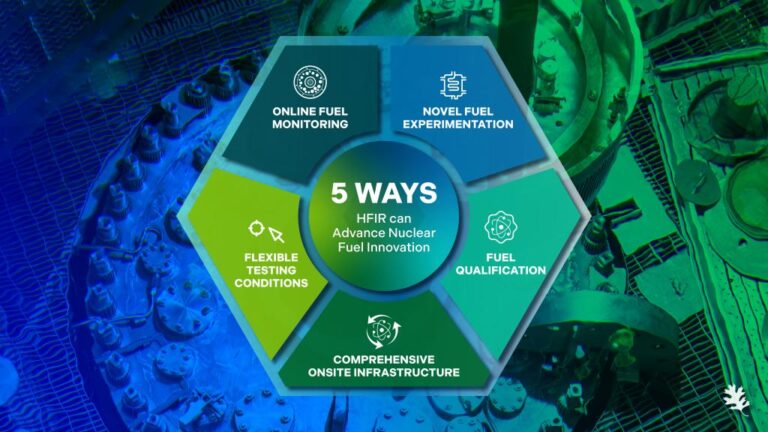
Oak Ridge National Laboratory’s High Flux Isotope Reactor could help address a growing bottleneck in nuclear fuel development. HFIR uses an intense neutron flux to test fuels and materials under demanding conditions. Its experiments can produce data on fuel performance, gas release, and fuel-cladding interactions, helping researchers develop new fuels and provide information needed for regulatory qualification.

Researchers at Karlsruhe Institute of Technology (KIT) and the University of Tsukuba have built a heat-driven solid-state cooling system using ultra-thin alloy films. Led by Yi-Ting Hsiau, lead author of the study and doctoral researcher at the IMT, the team produced a 13°C cooling effect using heat instead of electric motors. This breakthrough enables electronics and appliances to cool themselves using their own waste heat.
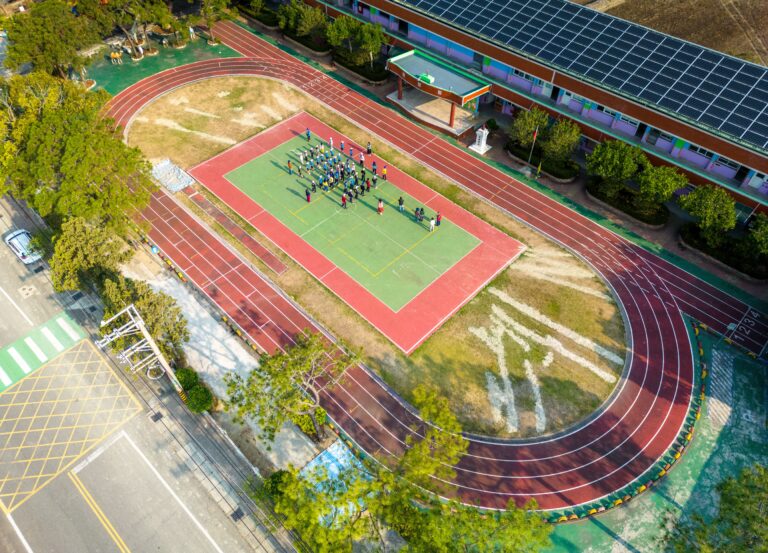
More than 10,800 US K-12 schools now use solar power, serving over 7 million students, according to Generation180. School solar capacity has reached more than 2.4 gigawatts, helping districts reduce energy costs. But battery storage remains rare, with only 155 schools identified as having installed battery systems since 2016.
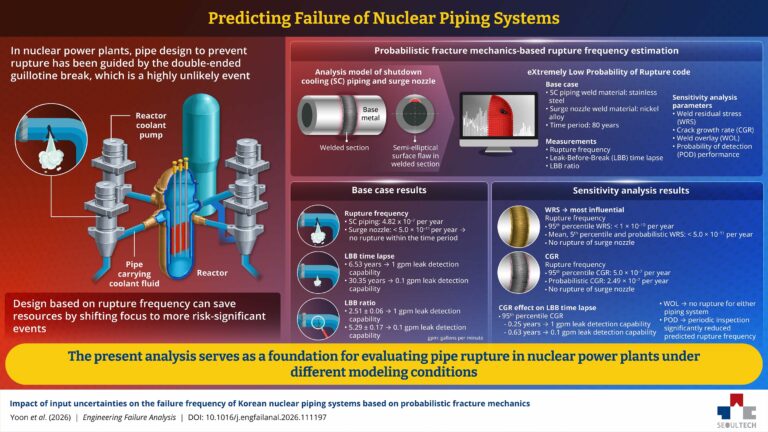
Seoul National University of Science and Technology researchers have applied probabilistic fracture mechanics to predict nuclear reactor coolant pipe failures across an 80-year operating period. Led by Professor Nam-Su Huh, the team’s model accurately evaluates real-world weld stress and corrosion to help engineers prevent critical coolant leaks, optimize maintenance schedules, and improve the structural safety of operating and future nuclear power plants.

Ammobia and Lummus Technology are partnering to commercialize a modular ammonia production system designed to reduce project costs. Ammobia’s “Haber-Bosch 2.0” technology uses a redesigned synthesis process that the company says can cut capital costs by up to half. The companies will initially target power generation and maritime fuel projects.
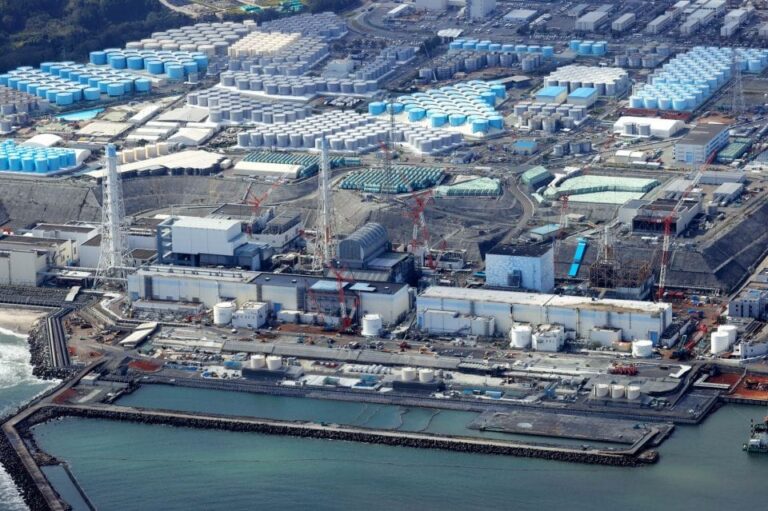
Japan has completed the third year of its planned release of treated water from the damaged Fukushima Daiichi nuclear plant.
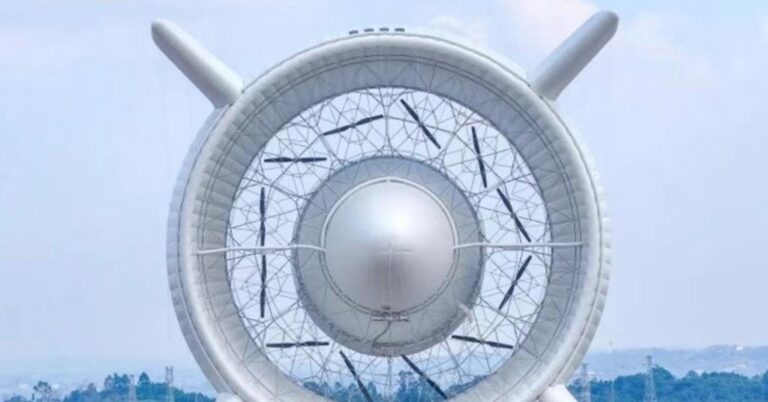
China has completed a full-process flight test of its S4000 Stratosphere Airborne Wind Energy System, an airborne platform designed to
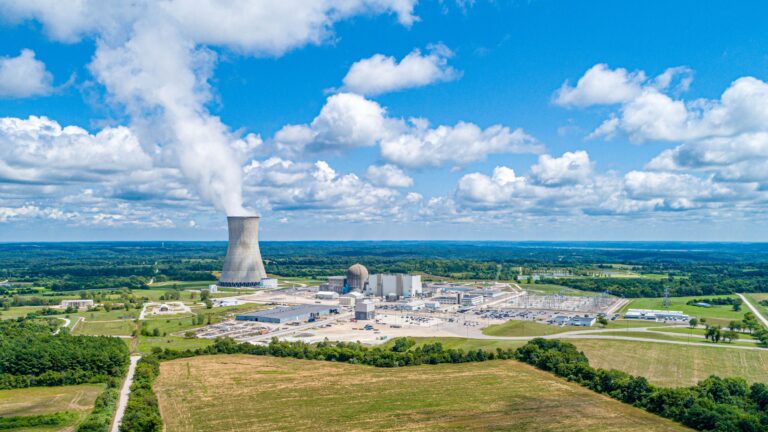
The U.S. Department of Energy has selected 13 projects from 12 developers for its Nuclear Energy Launch Pad initiative. Managed by NRIC at Idaho National Laboratory, the program will support advanced reactor and nuclear fuel technologies with technical expertise, research facilities and regulatory guidance. The initiative is designed to help developers move nuclear technologies from early concepts toward real-world deployment.

Global ocean temperatures have reached their highest level ever recorded in daily measurements, with the average sea-surface temperature touching 21.1