

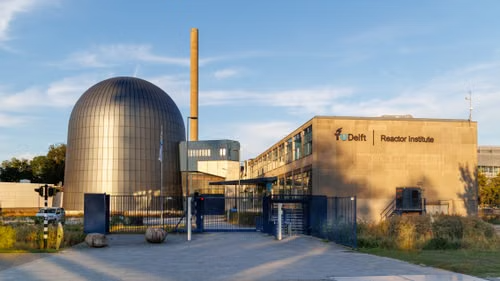
Lightbridge Corporation has been selected for the U.S. Department of Energy’s Nuclear Energy Launch Pad INL program. The move could speed up work on a facility at Idaho National Laboratory that would make test fuel assemblies for use in commercial nuclear reactors.
The program gives Lightbridge an accelerated path toward DOE approval to design, build, and operate the facility. The company plans to use it to manufacture Lead Test Assemblies, or LTAs, of its Lightbridge Fuel™ for testing in U.S. commercial reactors.
The company is developing Lightbridge Fuel as a new metallic nuclear fuel for existing reactors. Lightbridge says LTAs are an important step between fuel testing and eventual commercial fuel sales.
READ ALSO: https://modernmechanics24.com/post/us-funds-gallium-plant-australia/
The planned Special HALEU Extrusion Demonstration, or SHED, facility would help Lightbridge test its manufacturing process at production scale. The company says it is working with an engineering, procurement, and construction firm and could begin construction as soon as next year.
Lightbridge is already testing fuel material at Idaho National Laboratory’s Advanced Test Reactor. The first batch of irradiated samples was discharged in May 2026, with detailed examination expected to begin later this year.
The company says Lightbridge Fuel could increase the power output of existing reactors by up to 10% without replacing their steam generators. It also says some reactor designs could see larger gains, but these figures are targets from the company and still depend on further testing and regulatory approval.
The technology is still in the development and testing stage. Lightbridge must complete fuel testing, build and operate the SHED facility, qualify its fuel for commercial use, and secure the required approvals before the technology can be used widely in commercial reactors.
WATCH ALSO: https://modernmechanics24.com/post/future-warehouse-robots-pick-pack-learn/
The DOE program matters because it could give Lightbridge a faster route from laboratory testing to full-scale fuel manufacturing. If the technology performs as intended, higher reactor output could add more carbon-free electricity from existing nuclear plants without building an entirely new reactor.














One Response