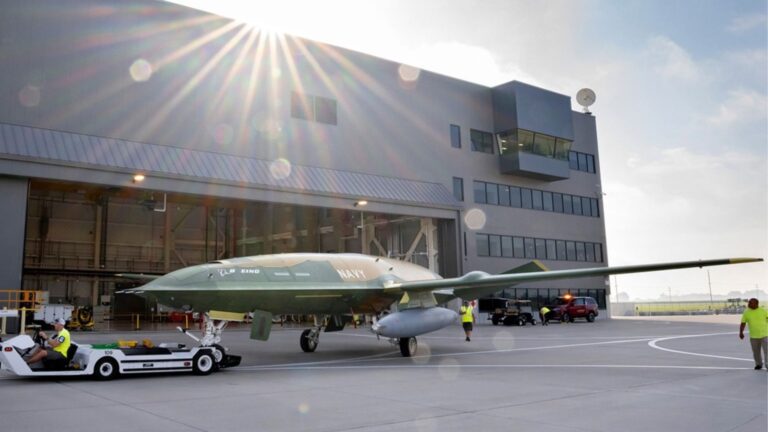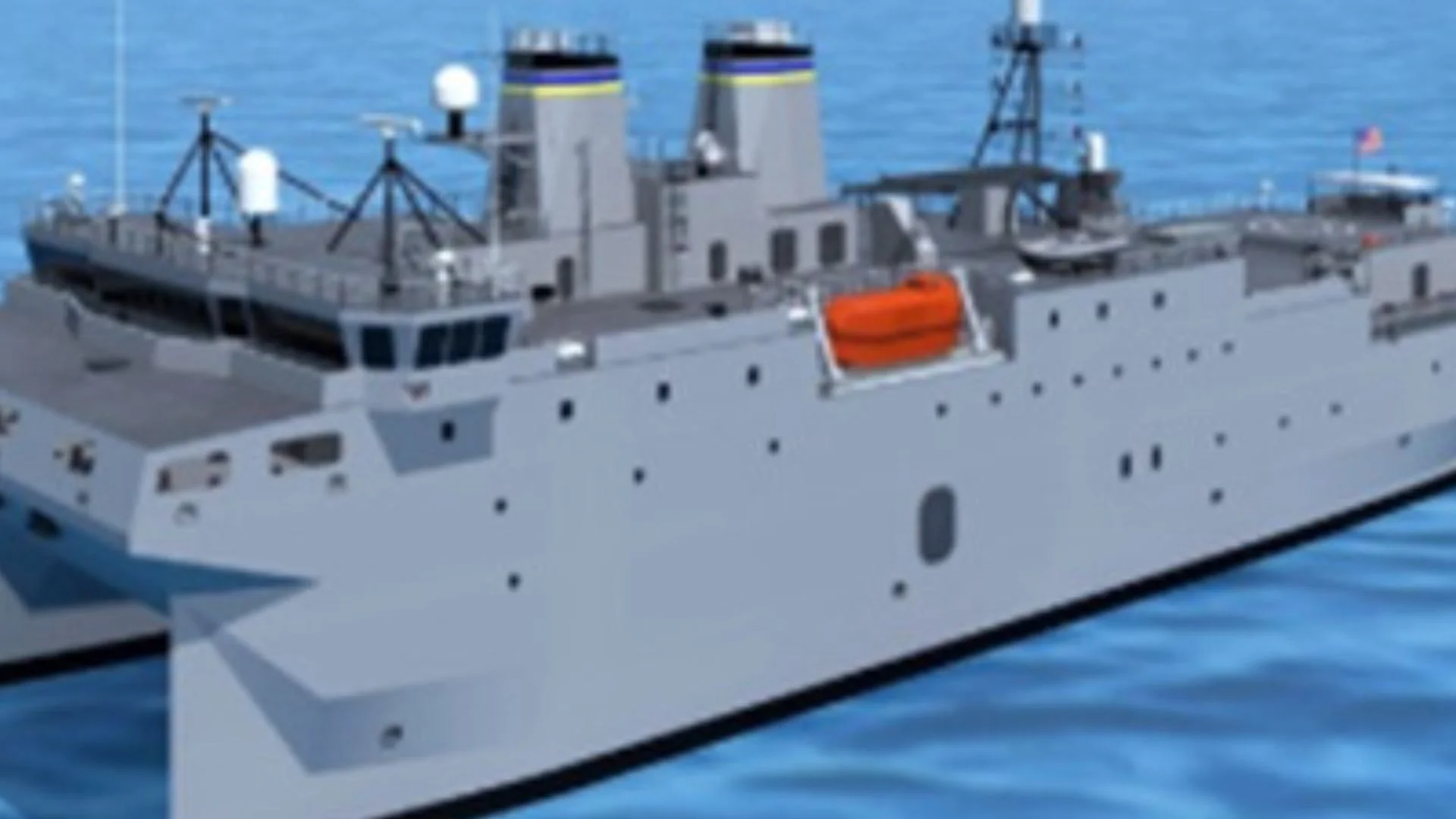
GE Aerospace’s Marine Engines & Systems division has received an official order from Austal USA to supply propulsion equipment for the US Navy’s new Explorer-class ocean surveillance ships.
The contract covers one LM2500+G4 marine gas turbine and an associated Brush generator. The equipment will be installed aboard USNS Don Walsh (T-AGOS 25), the first ship in the new class.
The vessel is under construction at Austal USA’s shipyard in Mobile, Alabama. The project represents another major naval program supported by GE Aerospace. It also strengthens the company’s long-standing relationship with the US Navy.
GE Aerospace said the LM2500 engine was selected because of its proven reliability and fuel efficiency. The engine also delivers high power while occupying relatively little space on board. These characteristics make it well-suited for advanced naval vessels.
A company spokesperson said the order is an important milestone for both the shipbuilding program and GE Aerospace. The propulsion system is designed to support a wide range of mission requirements. It will help the ships operate efficiently during both routine and demanding operations.
READ ALSO: China’s New Stealth Coating Survives 1,000°C, Redefines Jet Tech
Integrated Electric Propulsion Supports Multiple Missions
The Explorer-class ships use an Integrated Electric Propulsion system(IEP). This setup combines electric motors, diesel generators, and a gas turbine into a single power network. The design allows the ship to adjust power generation based on operational needs.
The propulsion system includes four electric motors powered by three diesel generators and one LM2500 gas turbine. This arrangement gives the ship flexibility during different mission profiles. It can operate efficiently during long-duration surveillance missions and switch to higher speeds when required.
The ships are designed to tow surveillance equipment for extended periods at low speeds. According to program details, they can travel about 9,000 nautical miles at roughly five knots during these operations. This capability is important for monitoring underwater activity across large ocean areas.
When rapid movement is necessary, the vessels can significantly increase speed. The Explorer-class ships are expected to reach up to 22 knots. This makes them the fastest vessels ever built for the T-AGOS fleet.
The new ships will support the US Navy’s anti-submarine warfare efforts. They will also contribute to the Integrated Undersea Surveillance System, a network used to monitor underwater activity. These missions have become increasingly important as naval competition expands across key maritime regions.
Larger Ships and Advanced Composite Technology
The Explorer-class vessels represent a major upgrade over earlier T-AGOS ships. Each vessel measures approximately 359 feet in length and displaces about 9,099 tons. They will be the largest ocean surveillance ships operated by the US Navy.
WATCH ALSO: India recently tested carried out the successful launch of Intermediate Range Agni-Prime Missile
A notable feature of the project is GE Aerospace’s lightweight composite enclosure for the LM2500 gas turbine. The enclosure uses carbon-fiber composite materials instead of traditional steel construction. This technology was first introduced to the Navy fleet aboard USS Santa Barbara (LCS 32) in 2023.
The composite enclosure has received full US Navy certification, including MIL-S-901D Grade A shock qualification. This certification confirms the system can withstand demanding naval operating conditions. Durability is especially important for military vessels operating in challenging environments.
One of the main advantages is weight reduction. The composite structure is around 2,500 kilograms lighter than comparable steel enclosures. The saved weight can be used for additional fuel, mission equipment, or payload capacity.
The enclosure also helps reduce noise levels. GE Aerospace says it produces about 60 percent less engine-room noise than earlier steel designs. Lower noise is particularly valuable for ocean surveillance ships that depend on sensitive acoustic detection systems.
Additional benefits include lower engine-room temperatures and improved corrosion resistance. Maintenance requirements are reduced because the carbon-fiber structure is built as a single piece. Crew members also gain easier access to the engine for inspections and servicing.
The LM2500 family has accumulated more than 16 million operating hours across naval fleets worldwide. The engine powers the vast majority of US Navy surface combatants. Its selection for the Explorer-class program reflects continued confidence in a propulsion system that has been used successfully for decades.
READ ALSO: Stockholm University Scientists Extract World’s Oldest RNA from 40,000-Year-Old Woolly Mammoth
As construction progresses on USNS Don Walsh and future Explorer-class vessels, the new propulsion technology is expected to play a key role in strengthening the Navy’s long-range surveillance capabilities.
The program also highlights how advanced propulsion and quieter ship systems are important for modern naval operations in an evolving maritime security environment.