AeroVironment has introduced a new laser weapon designed to shoot down small and medium drones. The system uses artificial intelligence to track targets and offers a low‑cost alternative to traditional missile interceptors.
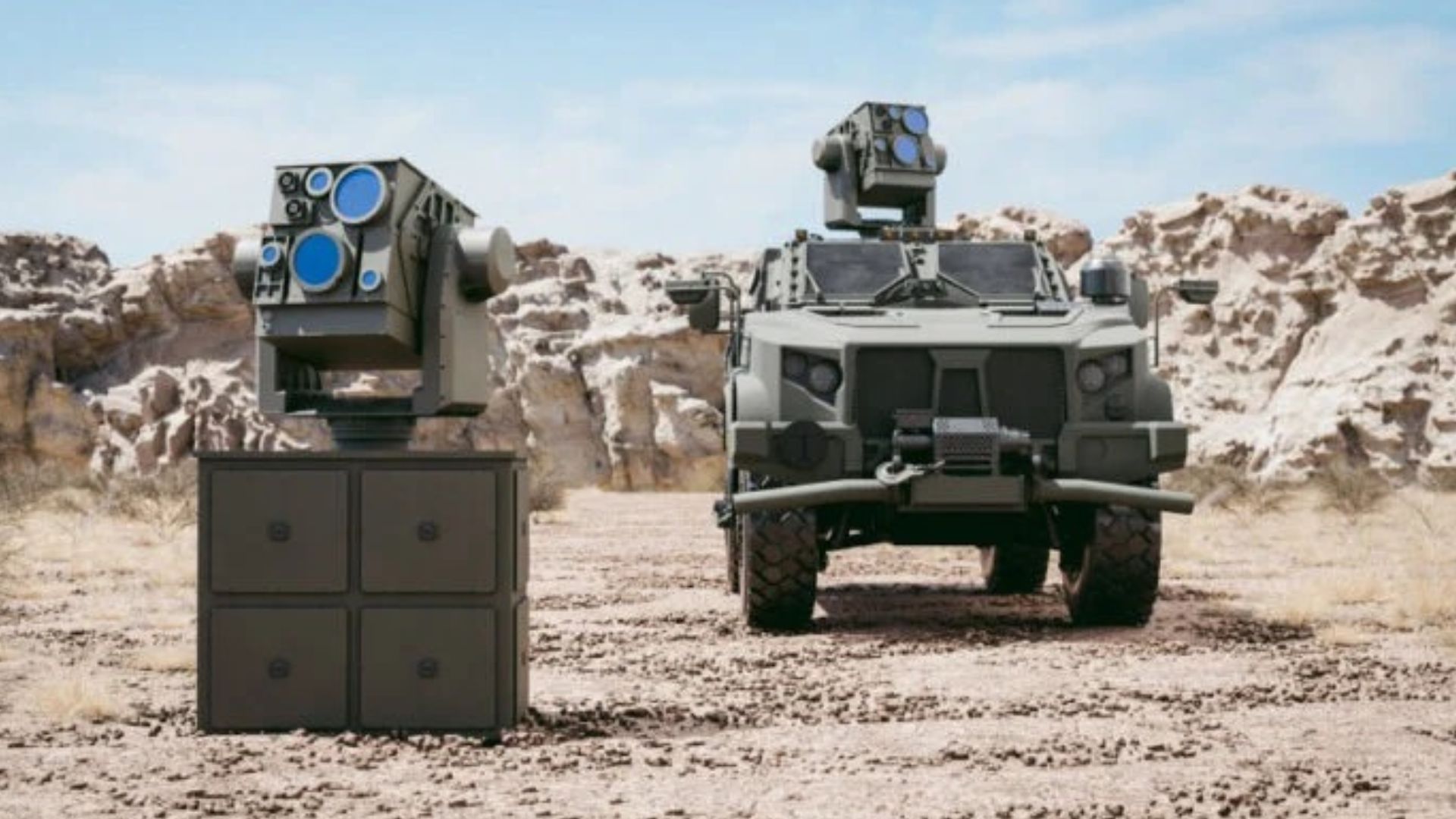
The Virginia‑based defense firm unveiled the LOCUST X3 at the AUSA Global Force conference in Alabama. It is the third generation of the company’s counter‑drone laser system.
READ ALSO: Space Dreams Meet Biological Wall: Microgravity Challenges Reproduction Beyond Earth
AeroVironment acquired the technology when it bought defense firm BlueHalo in 2025. Aaron Westman, senior director of business development at AV, said the X3 was built using feedback from soldiers who used earlier versions of LOCUST in the field.
Traditional anti‑drone systems rely on interceptor missiles, which are expensive and limited in number. As drone swarms grow larger, keeping those interceptors stocked becomes a logistical challenge. A laser, by contrast, can fire as long as it has power.
READ ALSO: A Robot That Never Needs Charging? Meet Cranfield’s 3D-Printed WANDER-bot
The LOCUST X3 uses a 20‑30 kW laser paired with AI‑enabled detection, tracking, and engagement software. It can be mounted on a vehicle or used from a fixed position, giving commanders flexible options.
The system is designed to counter Group 3 drones, a category that includes threats like Iran’s Shahed and Russia’s Geran. AeroVironment is also competing in the U.S. Army’s Enduring‑High Energy Laser (E‑HEL) program and participating in the Multi‑Purpose High Energy Laser (AMP‑HEL) prototype effort.
The fully integrated system has not yet been tested. All subsystems have been tested individually, and the company expects to have complete X3 units ready for testing within the next few months.
WATCH ALSO: China’s military showcases modern battlefield capabilities in new exercise
Laser weapons are becoming a key part of the global race to counter drones at a lower cost. With Israel’s Iron Beam already operational and other systems emerging, LOCUST X3 adds a new option for militaries seeking a persistent, reload‑free defense against aerial threats.