Engineers at the University of Toledo are developing a new kind of battery that could change how machines operate in extreme environments.
The technology is designed to work in environments such as deep oceans and outer space, where replacing or recharging batteries is difficult or even impossible.
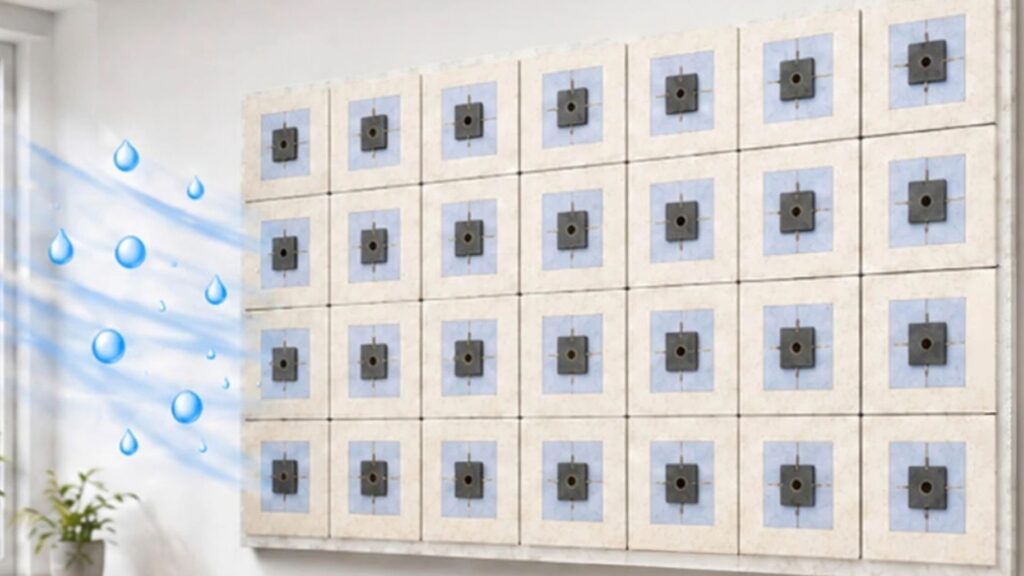
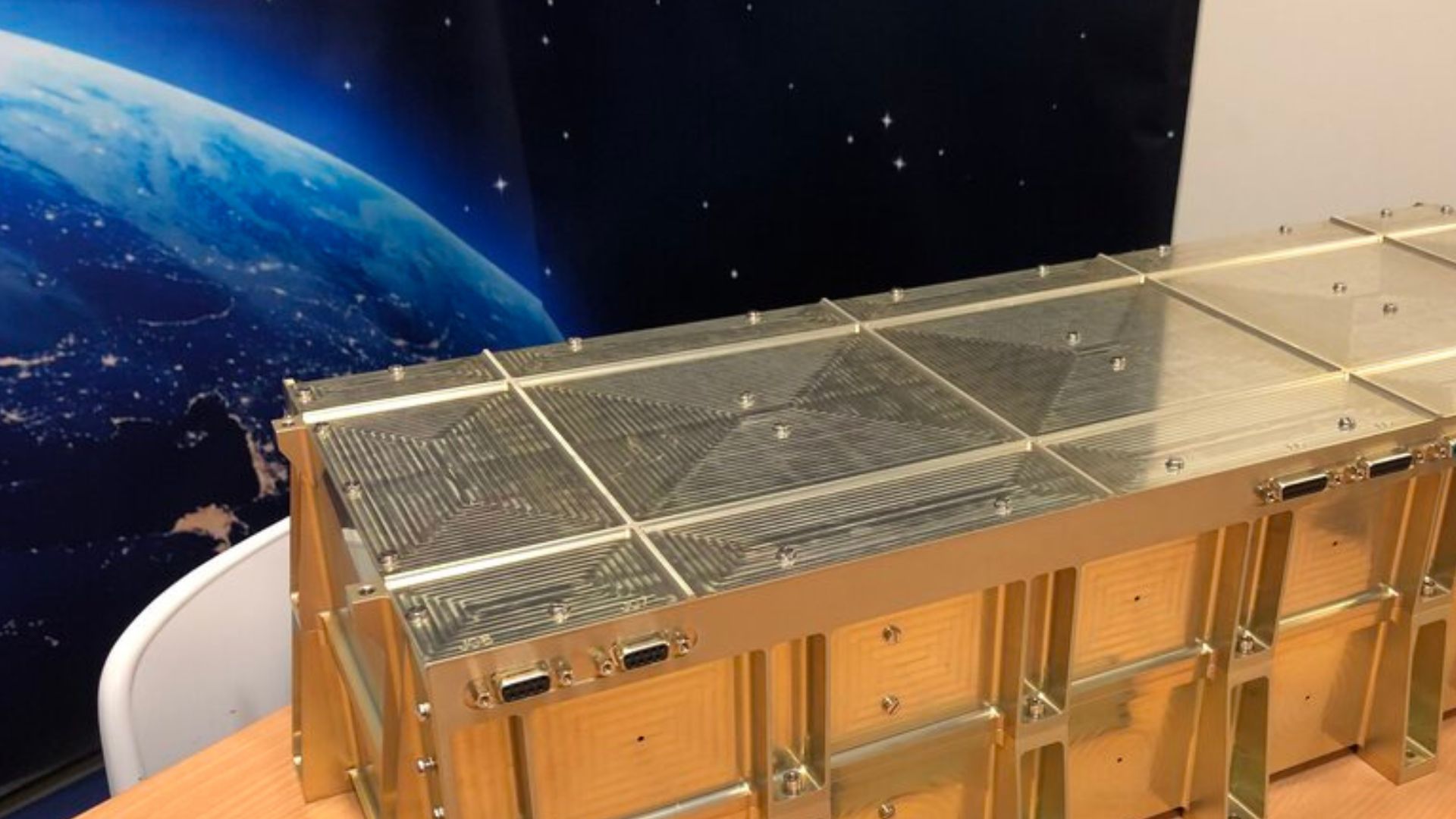
The project focuses on radiovoltaic batteries, a type of energy system that converts nuclear radiation directly into electricity.
These batteries can operate continuously for months or even years without needing maintenance. This makes them ideal for powering remote systems such as ocean buoys, spacecraft, and unattended sensors.
The research is part of a $2.8 million initiative funded by the Defense Advanced Research Projects Agency (DARPA). It falls under DARPA’s “Rads to Watts” program, which aims to develop new ways to convert radiation energy into usable electrical power.
READ ALSO: China’s Industrial Robot Surge Hits 31%: What’s Driving This Sudden Factory Shift?
“We are working to convert nuclear radiation directly into electricity,” said Raghav Khanna, who leads the University of Toledo’s role in the project. “Our goal is to achieve 10 watts of electricity per kilogram. This is much higher than current radiovoltaic systems.”
Radiovoltaic devices work similarly to solar panels, but they use a different energy source. Solar panels generate electricity using sunlight.
In contrast, radiovoltaic batteries use charged particles released during radioactive decay. These particles interact with semiconductor materials to produce electrical energy.
This approach enables the batteries to operate in environments without sunlight. It also makes them reliable for long-duration missions that require constant and stable power.
The research team is focusing on gallium oxide as the main semiconductor material. This material has strong radiation resistance, giving it an advantage over other options.
READ ALSO: Anthropic Seeks Chemical Weapon Experts; AI Safety Concerns Deepen Globally
“Gallium oxide can tolerate high levels of radiation,” Khanna said. “This improves efficiency and extends the life of the device.”
The project is being led by the University of Missouri and includes collaboration with the Pennsylvania State University, the University of Houston, and the Naval Research Laboratory. Each partner brings expertise in materials science, modeling, and device engineering.
At Toledo, researchers are leading the simulation work using finite element modeling. These simulations help predict how the battery designs will perform before they are physically built. This step reduces risks and improves efficiency in the development process.
“When a simulation performs well, we pass the design to our collaborators for fabrication,” Khanna said. “We expect multiple rounds of testing and improvement to optimize performance.”
The research team includes doctoral and undergraduate students who are actively contributing to the project. Their involvement not only supports the research but also helps train future engineers in advanced energy technologies.
WATCH ALSO: US firm successfully demonstrates ship-based Sea Launcher for autonomous underwater vehicle ops
Radiovoltaic batteries can play a major role in future missions where traditional power systems fail. From deep-sea exploration to long-term space missions, these batteries provide a reliable, long-lasting energy solution.
By focusing on higher power density and durable materials, the project aims to bring radiovoltaic technology closer to real-world use. If successful, it can open new possibilities for powering devices in some of the most challenging environments known to science.