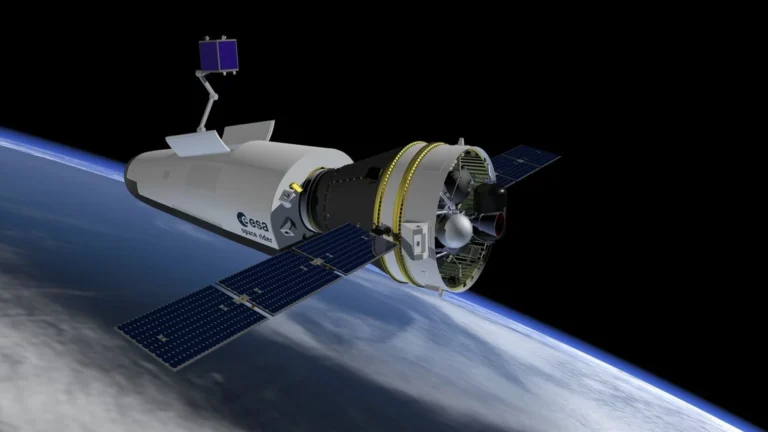
Space Rider: Europe’s First Reusable Spacecraft Clears Major Reentry and Landing Tests
Europe’s first reusable spacecraft is moving closer to launch after clearing major tests tied to reentry and landing operations. The

Europe’s first reusable spacecraft is moving closer to launch after clearing major tests tied to reentry and landing operations. The
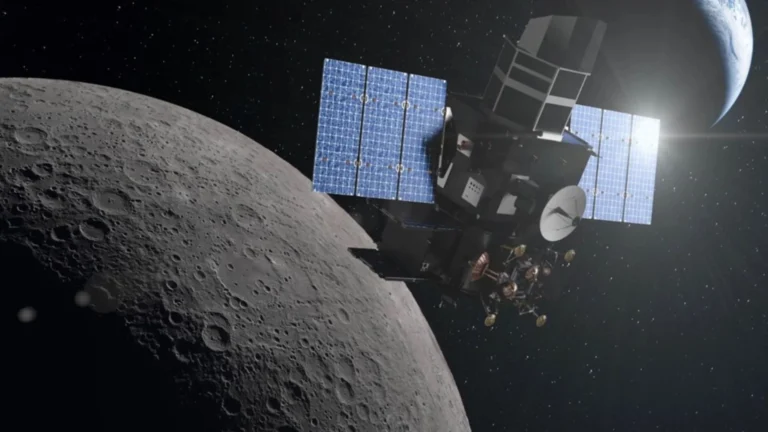
BAE Systems has introduced a new spacecraft, Ascent, to expand its growing space portfolio. The platform is built to support
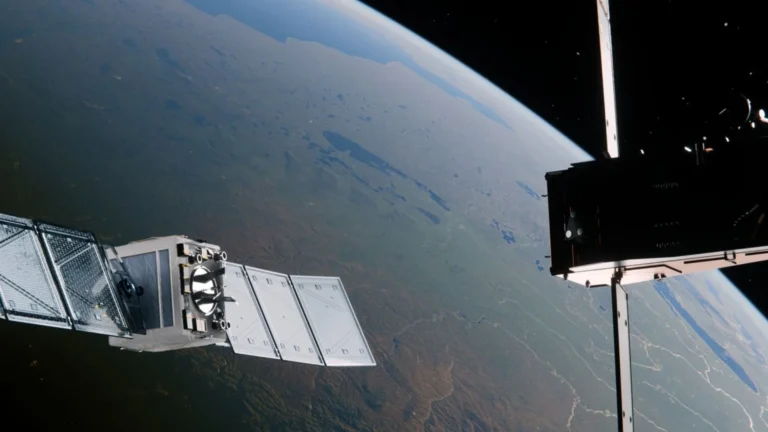
Flexcompute and Northrop Grumman have introduced a new AI-based system that changes how space missions are prepared. The system uses
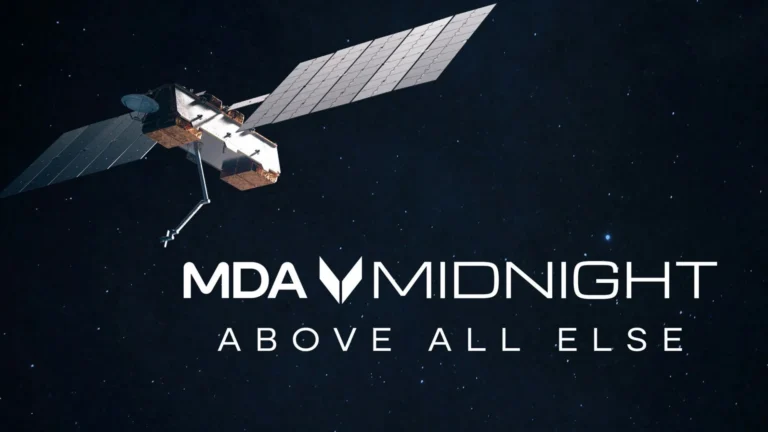
A new chapter in space security is unfolding as MDA Space introduces an advanced orbital defense platform. The system, named
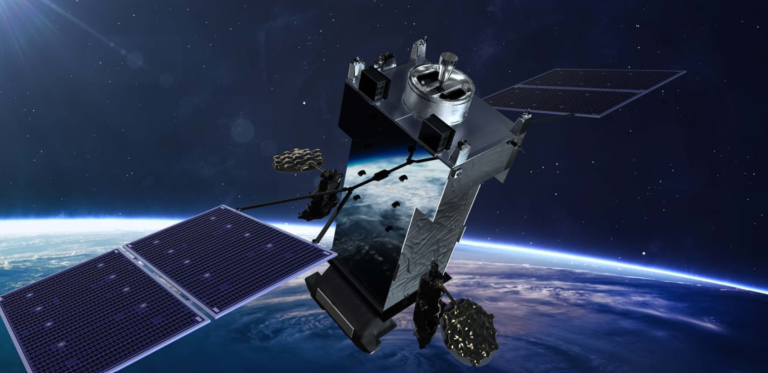
Raytheon, a business under RTX, has successfully delivered its second advanced sensor payload to Lockheed Martin for the U.S. Space
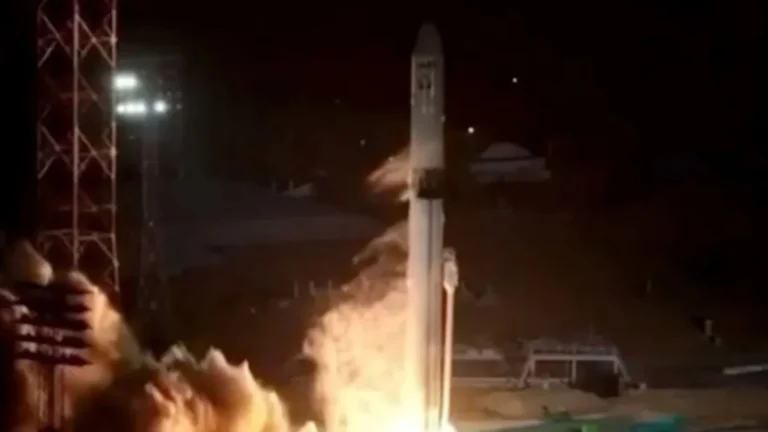
Russia’s new Soyuz 5 rocket made its space debut on April 30 with a launch from Baikonur Cosmodrome, operated by
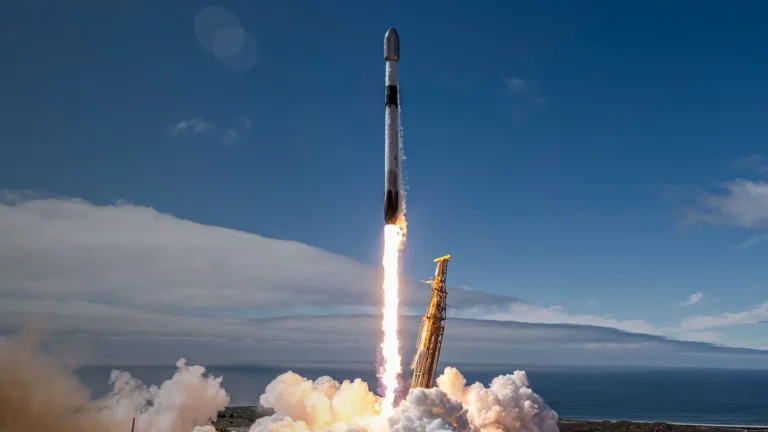
A leftover part of a SpaceX Falcon 9 rocket is expected to strike the Moon on August 5, 2026. The
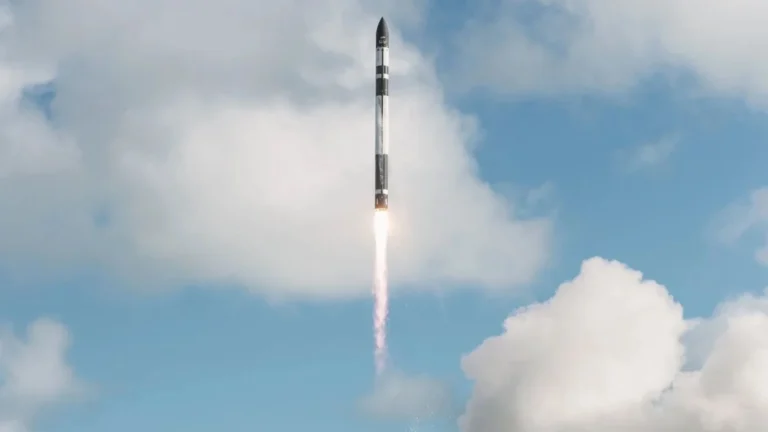
Rocket Lab has completed another key mission for Japan, marking its second dedicated launch for the Japan Aerospace Exploration Agency
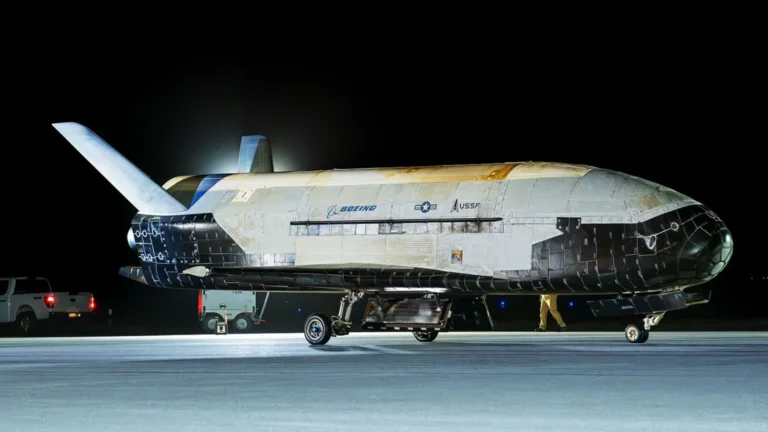
More than 230 days after launch, the X-37B Orbital Test Vehicle continues to circle Earth, supporting experiments that may shape
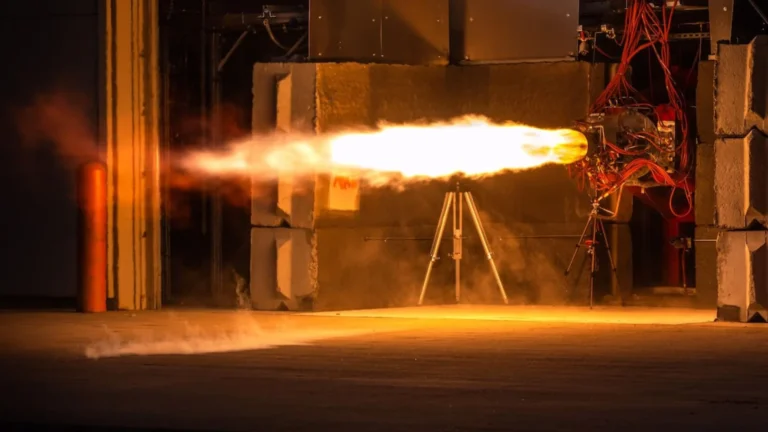
Ursa Major has completed 10 consecutive successful flights of its Hadley liquid rocket engine, marking a significant step in reusable