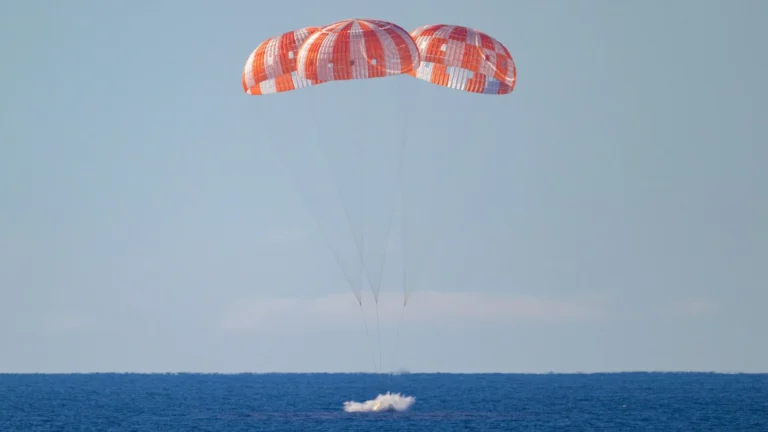
Artemis II Returns: The Moon Mission That Went Farther Than Ever Before
The first human mission to travel around the Moon in more than fifty years has successfully returned to Earth. The

The first human mission to travel around the Moon in more than fifty years has successfully returned to Earth. The

For decades, a 300-million-year-old fossil known as Pohlsepia mazonensis held a special place in science. Once celebrated as the world’s
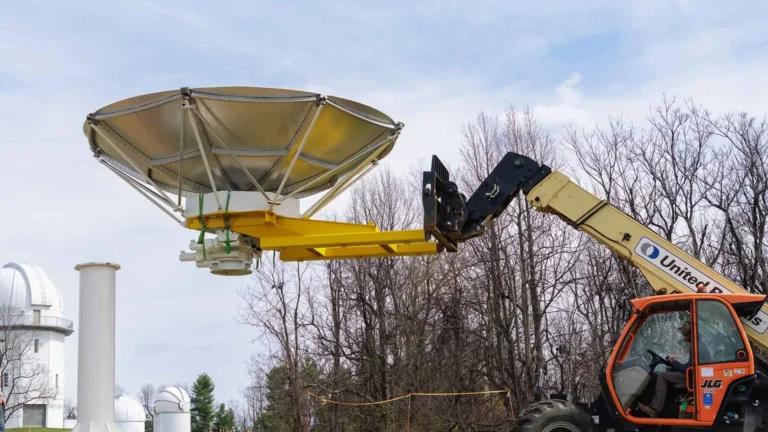
A new radio telescope has arrived at the University of Virginia, bringing fresh hope to astronomers searching for one of
Scientists are turning to an unusual class of materials to solve some of space exploration’s toughest challenges. A new study
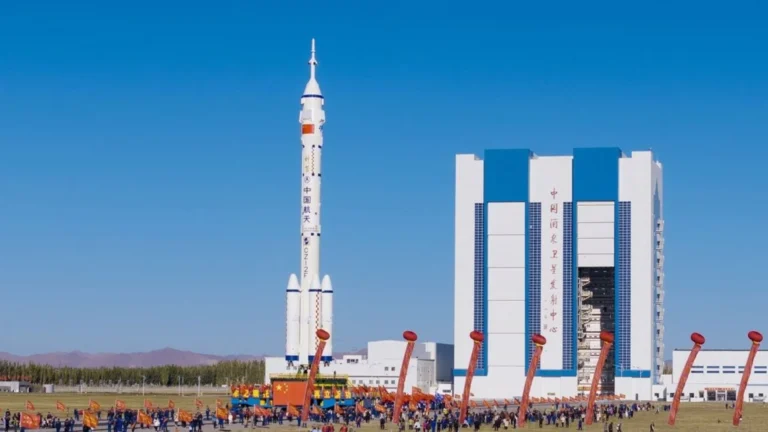
China’s Space Pioneer suffered a launch failure of its Tianlong-3 rocket on Friday, a setback for the country’s plan to build internet satellite networks. The 72-metre rocket was designed to rival SpaceX’s reusable Falcon 9, carrying 36 satellites per launch. An anomaly occurred during flight. The company is investigating. Previous tests also ended in explosion. China’s megaconstellations need reliable reusable rockets to compete with Starlink’s 10,000 satellites.
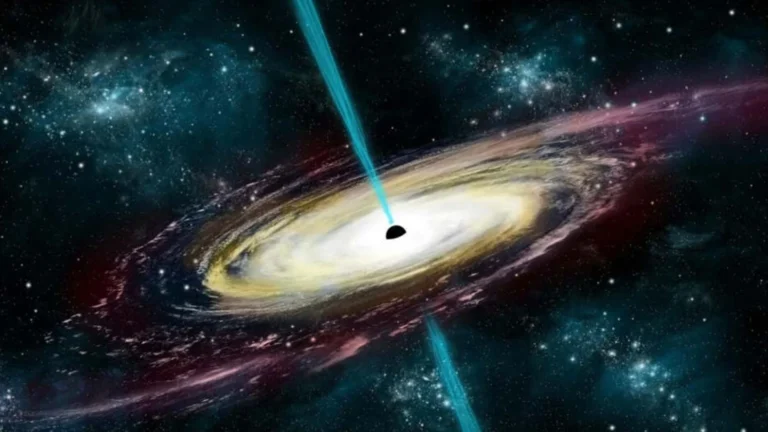
Astronomers have discovered a rare and fascinating phenomenon at the center of the galaxy Markarian 501: two supermassive black holes
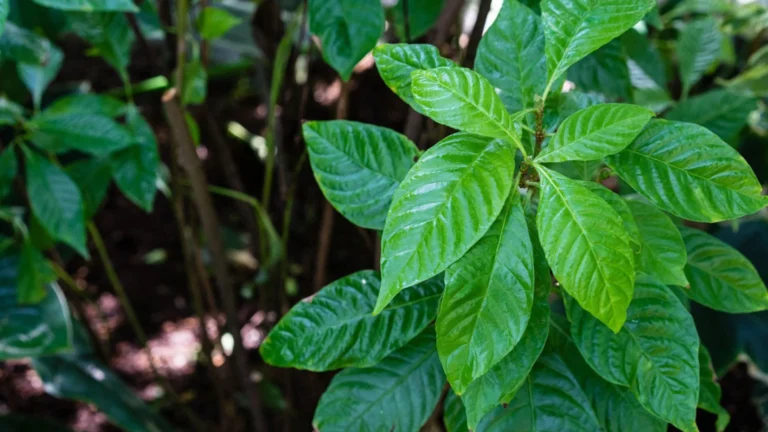
In a striking experiment that pushes the limits of modern biotechnology, scientists have genetically modified a common tobacco plant to
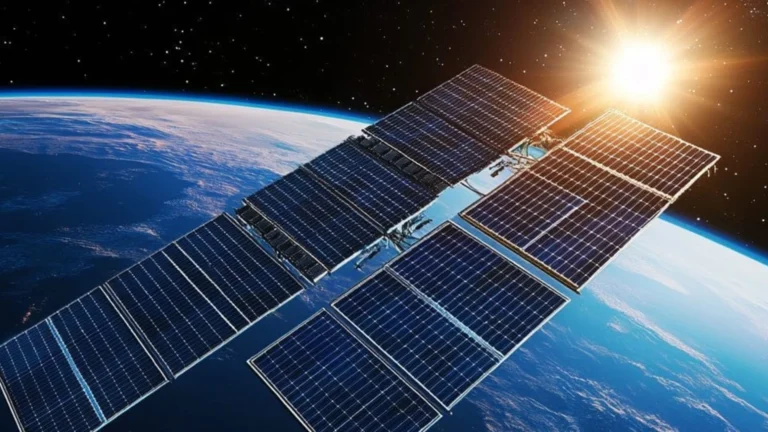
China has revealed that its space-based solar power program may go beyond clean energy, with the same technology capable of
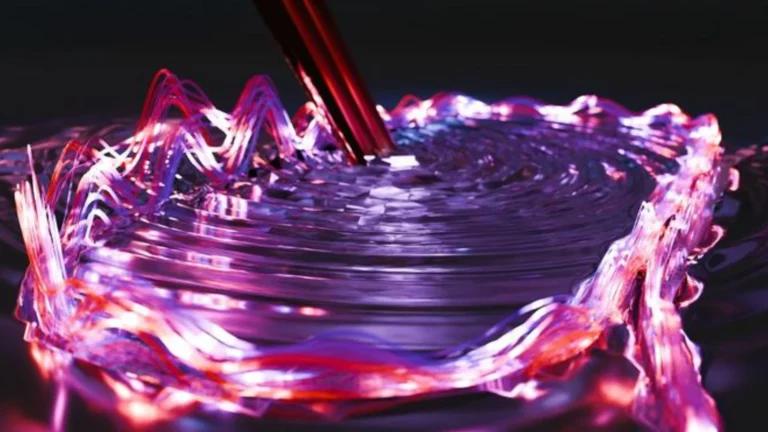
Harvard and TU Wien have built a miniature racetrack‑shaped laser that creates stable frequency combs in the mid‑infrared. The device solves a long‑standing feedback problem that ruins standard combs. It could lead to chip‑scale gas sensors for greenhouse gas monitoring, industrial process control, or breath analysis. The work was led by Federico Capasso and published in Optica.
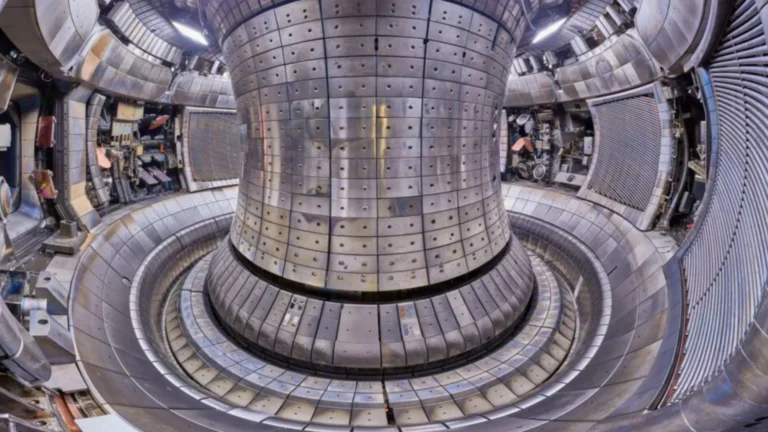
Fusion scientists have solved a strange mystery inside donut-shaped machines called tokamaks. The discovery could help make fusion reactors work