The US Navy has begun a new push to expand its hypersonic weapons capability, with a strong focus on using existing launch systems already deployed across its fleet.
This effort signals a shift toward faster, more flexible, and cost-effective strike options at sea.
At the center of this initiative is the service’s newly introduced Innovative Naval Prototype (INP) program, called Flight Advancement of Structures for Hypersonics (FLASH).
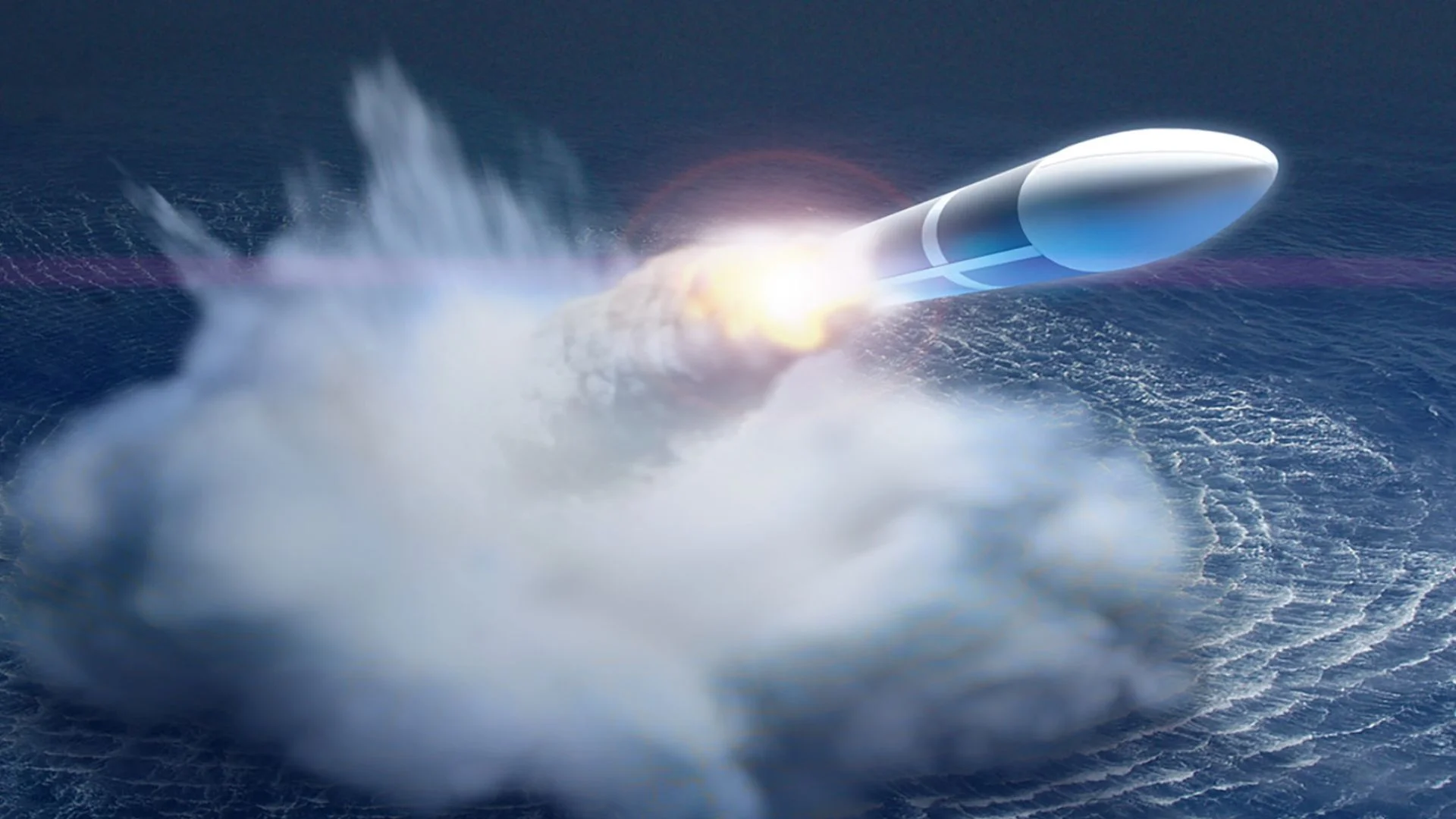
The program aims to develop hypersonic boost-glide missiles that can be launched from the widely used Mk 41 Vertical Launch System cells. These launchers are already installed on many US Navy ships, making them a practical platform for rapid integration.
READ ALSO: 850 US Tomahawk Cruise Missiles Fired: Is the Arsenal Under Pressure?
The FLASH program is designed to deliver a surface-launched, tactical range, hypersonic strike capability.
In simple terms, the Navy wants missiles that can travel at extremely high speeds, strike targets at long distances, and be launched from ships without requiring major modifications. The same systems may also be adapted for submarine use, including integration into Virginia-class Payload Modules.
This marks the Navy’s first dedicated effort to field such a capability on surface ships since the pause of the SM-6 Block IB hypersonic program last year. Instead of focusing on highly complex, expensive systems, the FLASH program emphasizes proven technologies closer to operational readiness.
WATCH ALSO: 6-ton tiltrotor aircraft completes first flight in China
Officials are looking at high-technology readiness level components. These include advanced heat-resistant materials, tested flight hardware, and reliable command-and-control systems. The goal is to create a complete system that can be tested and deployed faster, without long development delays.
The initiative builds on earlier hypersonic work, especially the Conventional Prompt Strike (CPS) weapon being developed for the Zumwalt-class destroyer.
However, CPS requires specialized launch tubes that are not available on most ships. This limitation has confined its deployment to a small number of platforms, mainly the three Zumwalt-class destroyers currently undergoing complex upgrades.
These ships are expected to operate from Pearl Harbor and serve as a key long-range strike force in the Indo-Pacific region. But relying on a limited number of vessels has raised concerns about scalability and operational flexibility.
READ ALSO: US Marines Test MADIS Air Defense System to Stop Drone Threats
The FLASH program aims to solve this issue by making hypersonic weapons compatible with existing launch systems. If successful, it would allow a much larger number of ships, including containerized platforms used by the Army and Marine Corps, to deploy such missiles without lengthy refits or time in drydock.
This approach reflects a broader shift in strategy. The Navy is not just looking to build advanced weapons but also to improve how existing systems are used. Rear Admiral Derek Trinque highlighted this during the Surface Navy Association’s National Symposium earlier this year.
“We have to continue building not just better missiles, but finding better ways to use our vertical launchers,” Trinque said. He explained that using a full-sized propulsion stack within a single VLS cell could open up new options, including long-range air defense or hypersonic strike missions.
The FLASH program is also part of a broader effort to develop affordable, mass-produced weapons. The Navy is exploring multiple programs that focus on cost efficiency without sacrificing performance.
One such effort is the Multi-mission Affordable Capacity Effector (MACE) program, which focuses on air-launched hypersonic missiles. The Navy has already selected Castelion to deliver more than 300 missiles under this initiative.
WATCH ALSO: EHang’s next-gen autonomous eVTOL completes first public flight
These programs show a clear direction. The Navy is working to rapidly expand its hypersonic arsenal at scale. This comes at a time when global competition in long-range strike capabilities is intensifying, particularly with the growing strength of the People’s Liberation Army Navy.
By focusing on adaptable systems and existing infrastructure, the FLASH program could reshape how hypersonic weapons are deployed at sea. It represents not just a technological step forward, but a strategic move to ensure wider reach, faster deployment, and greater operational flexibility for the future fleet.